



How Structured Maintenance Procedures Cut Human Errors and Boost Reliability
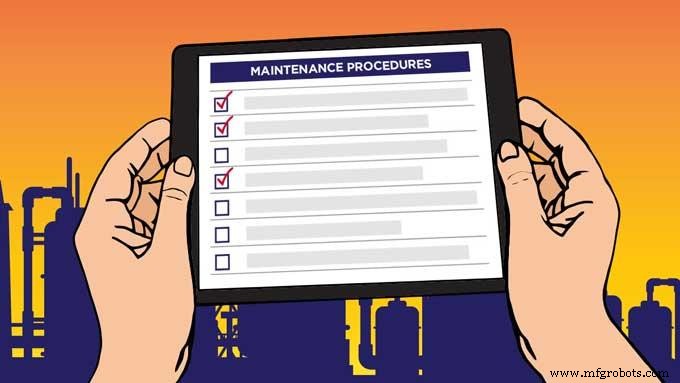
Ever hear operations say, “You just fixed that last week—why is it breaking again? You can’t fix anything.” It’s a frustration that plagues many maintenance teams. The root cause? Often, well‑meaning maintenance tasks are executed with a human error component.
Human error drives many maintenance failures. According to Nowlan and Heap’s 6 failure patterns, infant mortality accounts for a staggering 68 % of all failures. The good news is that a substantial portion of these failures can be mitigated with the right procedures.
Human mistakes come in several flavors, and most can be tackled by solid procedures. Psychological factors—essentially the why behind a mistake—split into four main categories:
- Unintended slips – actions performed incorrectly or out of sequence, such as a “finger‑trouble” when dialing a frequency or a slip of the tongue.
- Lapses – missed actions or omissions caused by memory or attention failures, e.g., forgetting to lower the undercarriage on landing.
- Intended errors (mistakes) – deliberate actions that are inappropriate because they misapply a rule or respond incorrectly to an abnormal situation.
- Violations – conscious, deliberate deviations from the procedure (Moubrary, 1997).
Procedures effectively address slips, lapses, and mistakes, but not violations, which require cultural and managerial change. The question then is: how much do procedures actually reduce error rates? The answer is clear.
A study by A.D. Swain and H.E. Guttmann found that a written procedure alone drops the error rate to 5 %. Adding a checklist to that procedure brings the rate down to just 1 %. Imagine cutting rework and frustration to a single percent—an impact that resonates across operations and maintenance teams.
Procedures are indispensable not only for preventive maintenance (PM) but also for corrective work orders. Each procedure should provide the necessary detail so that any qualified technician can perform the task consistently. This consistency allows for post‑task reviews that pinpoint where errors occurred and how to prevent them in the future.
Developing robust procedures isn’t a trivial task, but we’ll dive into the best practices in our next article. In the meantime, consider this: how many failures could your organization eliminate by keeping the error rate at 5 % or lower? Reach out to me at jkovacevic@eruditio.com to share your thoughts. Stay safe and reliable—next week we’ll cover how to craft effective procedures.
Equipment Maintenance and Repair
- Four Proven Strategies to Cut Maintenance Turnover and Preserve Critical Knowledge
- From Maintenance to Reliability: Building a Culture of Predictive Excellence
- 5 Proven Strategies to Slash Energy Use Through Smart Maintenance
- How Preventive Maintenance Paves the Way for Predictive Maintenance Success
- Boost Uptime with Expert Belt Drive Maintenance
- Crafting Effective Standard Maintenance Procedures: Boost Reliability and Safety
- Mobile Collaboration: Reducing Maintenance Downtime and Boosting Global Operations
- Tulco Oils Uses CMMS to Keep Tulsa Plant Running Nonstop
- Prevent Equipment Failures: How Proactive Maintenance Cuts Downtime
- Prolong Your Undercarriage Life: Expert Maintenance Strategies