



Four Proven Strategies to Cut Maintenance Turnover and Preserve Critical Knowledge
In maintenance, knowledge is as essential as spare parts or capital. When an employee departs, that expertise leaves with them, forcing costly hiring, onboarding, and a measurable drop in productivity, reliability, and uptime.
High turnover is a harsh reality for many facilities, but it isn’t inevitable. This article outlines actionable tactics that help retain staff, streamline knowledge transfer, and mitigate the adverse effects of turnover.
Table of contents
- Turnover rates in maintenance
- What causes turnover in maintenance?
- The impact of turnover in maintenance
- Four strategies for reducing turnover in maintenance
- How maintenance teams can plan for turnover
- The bottom line
Turnover rates in maintenance
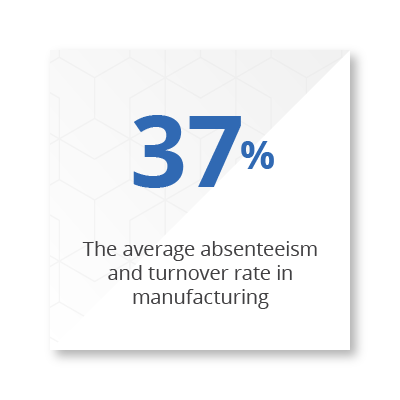
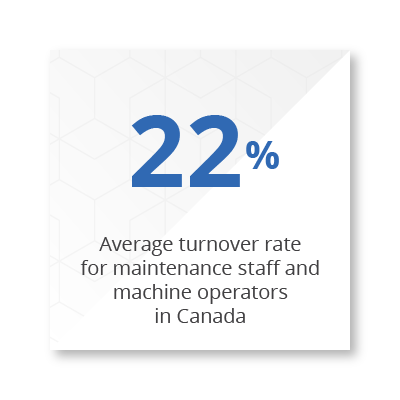
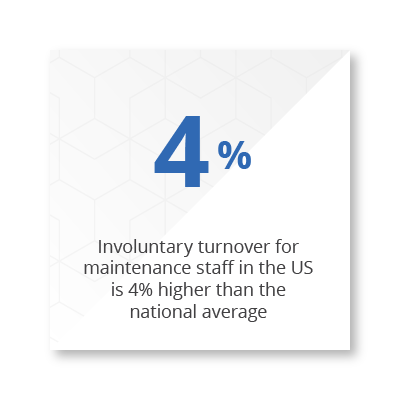
Turnover in maintenance consistently outpaces national and global averages, ranking just behind a handful of industries. According to the Association for Manufacturing Excellence, the average manufacturing and distribution plant experiences a 37% absenteeism and turnover rate. A Canadian Manufacturing Network survey found a 22% turnover rate among maintenance personnel and machine operators in Canada. The U.S. Bureau of Labor Statistics reported that the involuntary turnover rate (layoffs and dismissals) for maintenance professionals was 4% higher than the national average in 2018.
What causes turnover in maintenance?
Turnover rates in maintenance are higher than in many other sectors, and understanding the root causes is essential. Recent surveys show that financial concerns drive between 33% and 50% of departures, often reflecting deeper issues. Work‑life balance (13%), strained manager relationships (11%), unengaging tasks (8%), and poor work environments (6%) also frequently surface as top reasons for leaving.
When an employee walks out the door for good and takes that knowledge with them, the result is a steep cost to the organization.
Conversely, employees are 34% more likely to stay when they find their work enjoyable, can use their strengths regularly, and see clear career development opportunities—a finding from a Harvard Business Review study.
In many facilities, a reactive maintenance culture leaves technicians firefighting around the clock, eroding work‑life balance, safety, and overall satisfaction. Outdated tools further hinder access to critical resources, forcing staff to spend excessive time on paperwork rather than skill application. Recognition—or the lack thereof—plays a pivotal role; the absence of gratitude can push especially younger technicians toward more rewarding careers.
“It’s a gruelling job and it’s extremely thankless,” says Fiix Manager of Customer Success Scott Deckers. “Nobody notices you until something goes wrong. And then everyone notices you, but for all the wrong reasons.”
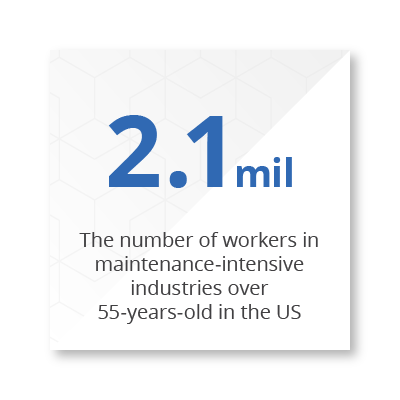
Ageing talent compounds the problem. In 2016, more than 2.1 million U.S. workers over 55 were employed in natural resources, construction, and maintenance—an entire generation of knowledge poised to retire in the next five years. Deckers notes that a significant portion of Fiix users fall between 55 and 60, underscoring the urgency.

The impact of turnover in maintenance
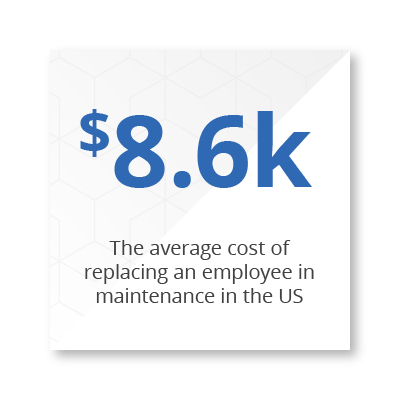
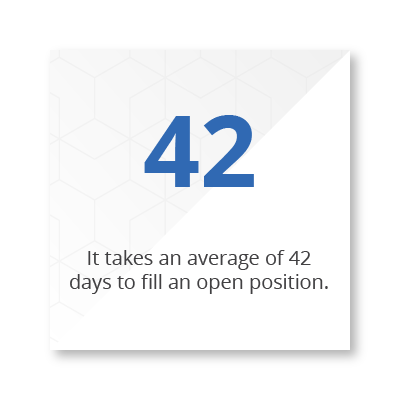
Turnover costs are steep: the average organization spends 20% of an employee’s annual salary on replacement. With a typical maintenance salary of $43,000 (USD), that equates to $8,600 per departure. The average vacancy lasts 42 days—time spent interviewing, onboarding, and training instead of core maintenance tasks.
High stakes combined with a shortage of gratitude can push maintenance staff, especially young ones, to search for a different career with a better work environment.
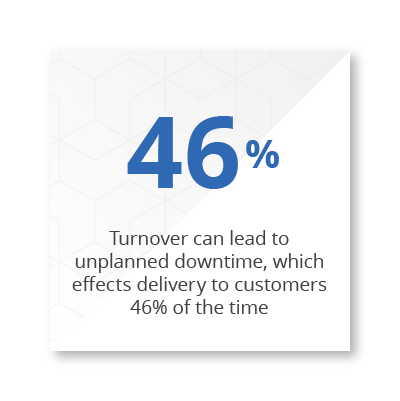
Beyond direct costs, the indirect consequences are profound. Staffing shortages hamper scheduled and unscheduled maintenance, increasing downtime, reducing production, and driving revenue loss. Unplanned downtime can cost $3,000 to $200,000 per hour, with a 46% failure rate in meeting customer commitments. Moreover, facilities without robust knowledge management lose roughly 70% of an employee’s expertise upon departure, prolonging training for new hires and constraining existing staff.
Four strategies for reducing turnover in maintenance
Reducing turnover starts by focusing on what you can control: crafting an efficient, fulfilling work environment. Here are four evidence‑backed approaches.
#1: Make maintenance matter
Recognition fuels morale. Quantify maintenance outcomes—e.g., completed work orders, uptime improvements—and share them. Demonstrating measurable value not only validates the team’s effort but also reinforces the department’s importance to the entire organization.
#2: Pave the way for young employees
Career progression is a powerful retention lever. Deliver robust onboarding, prioritize cross‑training, and invest in modern tools (e.g., mobile maintenance platforms). These initiatives empower junior technicians to grow, diversify their skill sets, and envision a long‑term future within the company.
#3: Eliminate your biggest time wasters and headaches
Overburdened technicians are more likely to leave. Streamline paperwork, digitize data, and eliminate redundant processes so staff can focus on high‑value tasks. Reducing administrative drag preserves work‑life balance and curtails burnout.
#4: Invest in the right tools
A digital knowledge hub—centralizing SOPs, work‑order histories, and preventive maintenance checklists—equips technicians with instant access to critical information. For managers, it offers clear metrics that illustrate maintenance’s ROI and foster alignment across the organization.
How maintenance teams can plan for turnover
While turnover can’t be entirely eliminated, thoughtful preparation reduces its impact. Consider these tactics.
Digitize your documents
Hand‑crafted knowledge is fragile. A digital repository of asset data—work‑order history, optimal settings, common failure modes—cuts learning time from years to days. Enterprises that waste $4.5 million annually on inefficient onboarding could see immediate gains by digitizing.
Nothing zaps the will to work like constantly dealing with the worst parts of a job.
Standardize as much as possible
Consistent processes reduce dependency on a single expert and enable repeatable success. Create checklists for routine tasks and develop an asset‑management policy that guides decision‑making and aligns teams.
Anticipate change
Data‑driven insights help predict turnover trends. Maintenance software that tracks overtime, work requests, and other KPIs can flag early warning signs—such as a surge in overtime hours—allowing proactive intervention.
The bottom line
Turnover erodes knowledge, morale, and uptime. By systematically documenting knowledge, articulating maintenance’s value, standardizing procedures, and eliminating inefficiencies, facilities can safeguard critical expertise. Leveraging maintenance software not only streamlines these efforts but also positions operations for sustained long‑term success.
Equipment Maintenance and Repair
- Bridging Gaps in MRO Management: Proven Strategies for Seamless Supply Chain Coordination
- SMRP: A Proven Path to Excellence in Maintenance & Reliability
- Maximizing ROI: Proven Maintenance Strategies for Rare‑Use Specialty Tools
- Proven Strategies to Cut Maintenance Costs Without Cutting Staff
- 5 Essential Strategies for Maintaining Heavy Machinery
- Boost Reliability of Power Transmission Components: Proven Strategies for Mining, Manufacturing & Industrial Operations
- 50 Proven Strategies to Build a High‑Performance Maintenance Program
- Streamline Facility Management with QR Code Integration
- IoT for Predictive Maintenance: Proactive Strategies to Cut Downtime and Costs
- Hydraulic Equipment Reliability: Proactive Maintenance Best Practices