



Maximizing ROI: Proven Maintenance Strategies for Rare‑Use Specialty Tools
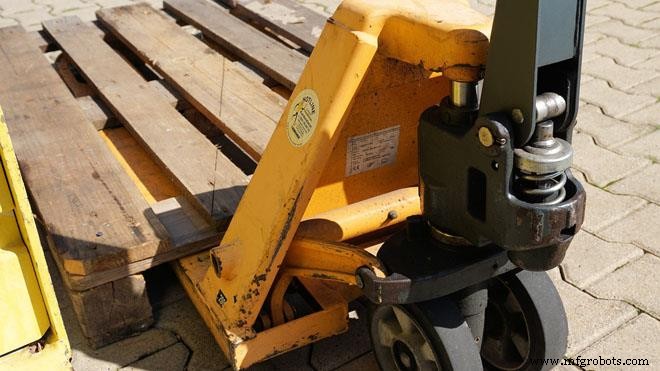 In industrial settings, specialty tools—lifting frames, custom carts, transport pallets, and piping inserts—are often used only once or twice a year. When managed correctly, they deliver significant time savings and safety improvements. Poor stewardship, however, forces repeated investments in measurements, fabrication, and re‑testing, eroding those gains.
Retaking measurements, sourcing stock material, and verifying fits are costly, especially when they interrupt a job in progress. The solution? Make the first build count by treating each specialty item as a valuable asset.
Even if a tool may never be used again, pause during downtime to assess its future value. If it was a one‑off solution, dispose of it responsibly. If it has potential for future use, capture its dimensions, photograph it, and link the images to its file record. Visual documentation clarifies the tool’s purpose and assists future operators.
Color‑coding is a simple yet powerful method to distinguish specialty tools from general equipment. Adopt a unique color palette and train staff that any tool painted in that color must be preserved and returned to designated storage. When combined with clear labeling—numbers, dates, and usage notes—color‑coding eliminates confusion and protects critical assets.
Proper labeling extends to storage containers. In one plant, fluorescent yellow markers with stenciled numbers were used on a fleet of specialty tools. The number corresponded to a file folder containing scaled drawings, detailed descriptions, and step‑by‑step photos. Employees instantly recognized the tool’s status and accessed its documentation. The company even made the destruction of such tools a termination offense, underscoring its importance.
Unique identifiers enable cross‑referencing in work orders, SOPs, and BOMs. Assign each tool a designated, labeled storage spot and document it in the equipment master file. If you operate multiple facilities, you can ship tools between sites, extending the initial investment and improving reliability across locations.
Manufacturers can unlock new revenue streams by renting specialty tools during major rebuilds or modifications. Offering tools for free enhances customer loyalty and bolsters a brand’s reputation for maintainability.
An illustrative example: during mill overhauls at a brewery, technicians needed to move 3,200‑lb grinding roller assemblies every fall. Custom all‑steel carts were costly ($3,500 each) and one disappeared during a plant expansion. A low‑tech solution—bolting 4‑by‑4 lumber, plywood, heavy‑duty casters, and angle‑iron brackets—cost $800 per cart. Six low‑profile carts, stacked for storage, handled both new and old assemblies with minimal effort, proving that a simpler design can be more economical.
Key takeaways:
- Assess whether a tool will be used again during its useful life.
- Create accurate dimensional drawings.
- Number, label, and color‑code each item.
- Maintain a dedicated file with drawings, photos, and usage instructions.
- Designate and label a storage location; record it in the master equipment list.
- Reference the tool in work procedures, SOPs, and BOMs.
Equipment Maintenance and Repair
- Four Proven Strategies to Cut Maintenance Turnover and Preserve Critical Knowledge
- How Face‑Time Coaching Transforms Maintenance Supervision
- Balancing Equipment Ownership and Cross‑Training for Maintenance Technicians
- Bridging Gaps in MRO Management: Proven Strategies for Seamless Supply Chain Coordination
- SMRP: A Proven Path to Excellence in Maintenance & Reliability
- Transforming a Mail‑Processing Plant: Teamwork Drives Lower Absences and Higher Quality
- Proven Strategies to Cut Maintenance Costs Without Cutting Staff
- Boost Reliability of Power Transmission Components: Proven Strategies for Mining, Manufacturing & Industrial Operations
- Essential Industrial Maintenance Tools for Mechanics: Boost Reliability & Efficiency
- Master Acrylic Milling: 4 Proven Techniques to Reduce Chipping, Melting, and Bird Nesting