



How Face‑Time Coaching Transforms Maintenance Supervision
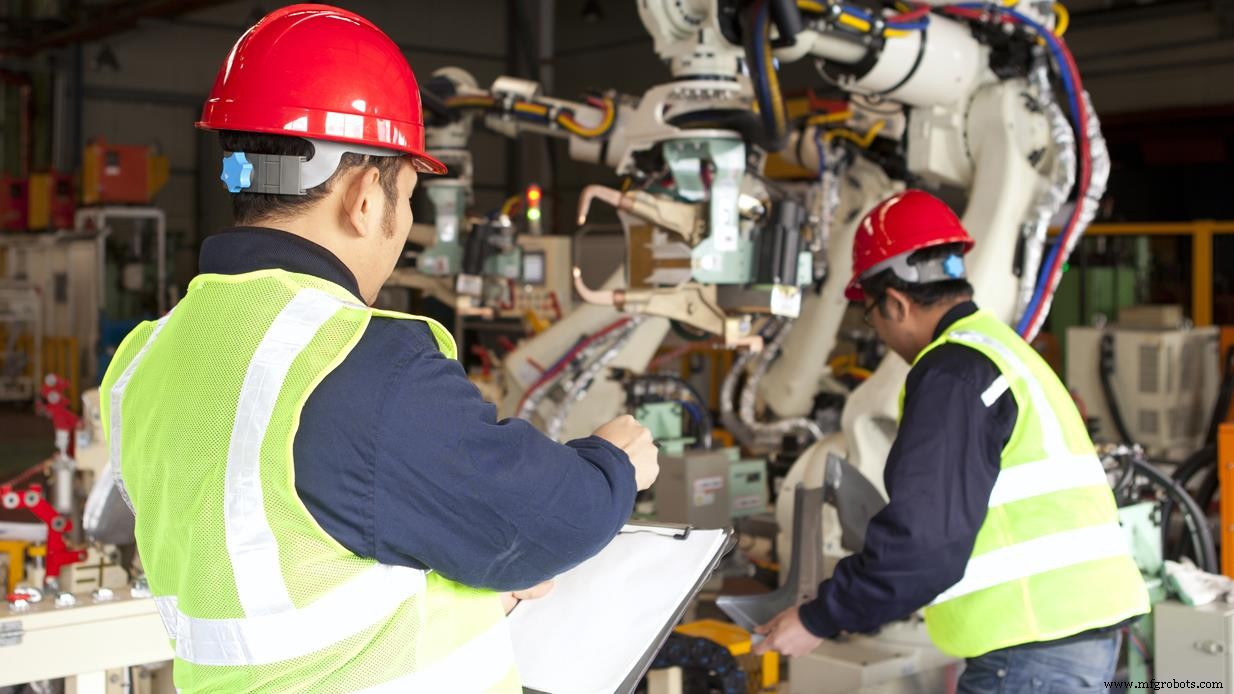
During a recent visit to a large pharmaceutical plant in North Carolina, I had the opportunity to observe the day‑to‑day operations of 18 skilled maintenance craftspersons who support a million‑square‑foot facility. The plant’s maintenance team, led by a dedicated coach, was part of a broader work‑sampling study that assessed the activities of 2,800 supervisors across the industry.
Supervisors frequently expressed frustration that administrative tasks kept them away from the shop floor, preventing meaningful engagement with technicians and limiting their ability to assess equipment reliability. I wanted to understand what a truly effective supervisor looks like in practice, especially in terms of “face‑time” with their crew.
The coach began each shift with a concise 15‑ to 20‑minute team huddle. During this time, the crew reviewed the day’s schedule, discussed plant or corporate performance metrics, and flagged any potential issues or lessons learned from recent jobs. The meeting also provided a brief slot for social interaction, ensuring that the team’s morale stayed high.
After the huddle, the coach moved through the plant with a clear agenda: he met each crew member for at least five minutes, and when possible, twice a day. His primary focus was to confirm that each technician had the resources and support needed to complete their preventive and scheduled work orders. When a call came in, he would respond on the spot, offering hands‑on assistance and clarifying priorities.
“Face‑time” for this coach was about genuine, personal dialogue—talking about family, hobbies, and everyday life. While these conversations might seem unrelated to work, they were a cornerstone of building trust and respect. The coach reserved discussions about work progress for situations where it directly impacted scheduling or required additional resources; otherwise, he let the technicians lead those conversations. By observing the technicians’ progress against the PM checklist during their brief check‑ins, he could gauge performance and offer help when needed, such as suggesting a more experienced crew member assist a colleague who was behind schedule.
When I asked a few team members for their perspective, they expressed deep appreciation for the coach’s presence. They felt valued, respected, and empowered, and they recognized that the coach’s daily visits were a sign of the company’s commitment to their professional growth. Importantly, they would not consider leaving for a higher‑paying competitor because they trusted that their needs were understood and met.
As a result of this approach, the plant consistently outperformed its peers in reliability and cost‑effectiveness, earning recognition as a maintenance benchmark for both the company and its competitors. This example demonstrates that structured, intentional face‑time—anchored in trust, empowerment, and clear communication—can transform supervision from a paperwork exercise into a catalyst for excellence.
Equipment Maintenance and Repair
- Maintenance Best Practices to Boost Overall Equipment Effectiveness (OEE)
- Balancing Equipment Ownership and Cross‑Training for Maintenance Technicians
- Maximizing ROI: Proven Maintenance Strategies for Rare‑Use Specialty Tools
- Mastering Maintenance Storerooms: Proven Strategies for Inventory Excellence
- 12 Proven Practices for a Successful CMMS Implementation
- Mastering Aluminum Welding: Proven Techniques for Strong, Reliable Joints
- Robotic Welding Best Practices: Boost Quality, Speed, and Savings
- Hydraulic System Care: Proven Best Practices & Maintenance Tips
- Maximize Corrective Maintenance with Effective Issue Tracking Software
- Hydraulic Oil Maintenance: Proven Practices for Reliability and Performance