



Why Autonomous Operator Maintenance Drives Efficiency and Workforce Empowerment
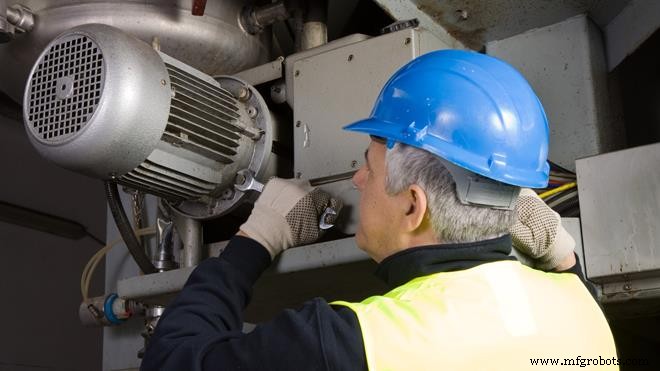
Autonomous operator maintenance means the operator, fully trained and certified, performs the upkeep tasks traditionally handled by a technician. It’s not a new concept—it’s a natural evolution of the skilled workforce that has kept machines running for decades.
Before electronic ignition and computer diagnostics, car owners relied on hands‑on knowledge: fueling, oil changes, and belt replacements. We could read gauges, listen for engine irregularities, and troubleshoot on the fly. Modern technology only enhances that capability, giving us instant diagnostics and predictive alerts.
The industrial age shifted the operator’s role. Specialists took over setup, running, and maintenance, and operators became task‑oriented. Yet, when operators were empowered with the right tools and trust, they could identify problems, perform preventive maintenance (PM), and collaborate with technicians to resolve issues.
German Post’s rollout of condition‑based computerized checklists exemplifies this shift. Each machine carried a visual guide—step numbers, pictorial instructions, and adjustment limits—enabling operators to read performance indicators and keep material flows steady. Over time, operators and technicians shared ownership of equipment, driving innovation and quality without explicit managerial mandates.
Similar practices emerged in U.S. postal facilities. Operators would physically inspect machinery, and when a “tie” (outside maintenance staff) appeared, responsibilities shifted back to the plant. This autonomy freed maintenance personnel to focus on continuous improvement and quality monitoring.
Management’s role was facilitative: ensuring safety, protecting equipment, and removing bureaucratic barriers. The result was a measurable lift in plant performance:
- Higher production rates and quality
- Fewer unscheduled downtimes
- Reduced employee grievances
- Cleaner work environments
- Supervisors acting as coaches and resources
- Innovative maintenance programs
- Lower operational costs
- Higher morale at shift’s end
Historically, concepts like work enrichment and work enlargement have evolved. Work enrichment—vertical enhancement—gives employees quality responsibility and multi‑skill engagement. Work enlargement—horizontal integration—combines sequential tasks, reducing workforce while adding decision‑making authority. Both approaches foster ownership, pride, and skill development.
From the late 19th to mid‑20th century, the manufacturing landscape shifted dramatically. Frederick Taylor’s time‑study methods, the robber baron tactics that stripped worker dignity, and the rise of unions all shaped labor-management dynamics. Legislation later formalized union rights and protected worker dignity, influencing productivity, innovation, and creativity into the 21st century.
Breakthroughs in employee motivation began in the 1950s. Two influential figures—W. Edwards Deming and Mary Parker Follett—brought quality and employee citizenship concepts to Japan. Their work underpinned post‑war manufacturing excellence, introducing Total Productive Maintenance, Total Quality Management, Kaizen, and other lean practices that still define modern factories.
Today, workforce empowerment is essential. Designing work that challenges, engages, and respects employees satisfies a fundamental human need for accomplishment. By aligning operational excellence with employee dignity, organizations can sustain growth, innovation, and a resilient culture.
Equipment Maintenance and Repair
- Unlocking Real-Time Value with Predictive Maintenance
- Operator‑Involved Maintenance: Do the Gains Outweigh the Hidden Costs?
- When Is It Acceptable to Deviate From a Maintenance Schedule?
- The 10‑Second Indicator That Reveals Your Maintenance Program’s Health
- Reevaluating Maintenance Supervisors: From Desk to Floor
- Why Reliability as a Service (RaaS) Is Driving Smarter Predictive Maintenance
- CN Tower Maintenance: Inside the Engineering Behind Toronto’s Iconic Landmark
- Maximizing Maintenance Value: Shift from Cost‑Cutting to Strategic Asset Management
- Predictive Maintenance Evolution: From Reactive Failures to Proactive Success
- Mobile EAM: A Real‑Time Maintenance App for Field Technicians