



How Maintenance Drives a Sustainable Circular Economy
This article was written by Katie Allen, Fiix’s Sustainability and Social Impact Manager.
For most of human history, “waste” meant barren land. The modern concept of garbage—throwing items away—was only coined in the early 1900s. Today it has become an everyday habit, supported by complex waste‑management systems staffed by experts and powered by advanced machinery.
During my early career, I guided the public on proper disposal, sorting black bags on sweltering days, and diverting hazardous and electronic waste from landfills. I even oversaw a vermi‑composter. Yet I never offered a way to keep products alive. The three R’s—reduce, reuse, recycle—dominated our mindset, while the critical “R” of repair was overlooked.
Unlike most manufacturers, consumers rarely receive a maintenance manual when purchasing a product. Instead, they must hunt online forums or YouTube tutorials for repair instructions. Maintenance is still viewed as a mundane chore rather than a cornerstone of sustainable consumption and creation.
The 12th UN Sustainable Development Goal champions the circular economy, urging “responsible consumption and production” to lower resource dependence, enhance sustainability reporting, cut waste, and foster nature‑aligned lifestyles. Yet it omits a pivotal element: maintenance and repair, the primary means of lifecycle management.
What Is the Circular Economy?
The Ellen MacArthur Foundation defines it as a system that “designs out waste and pollution, keeps products and materials in use, and regenerates natural systems.” 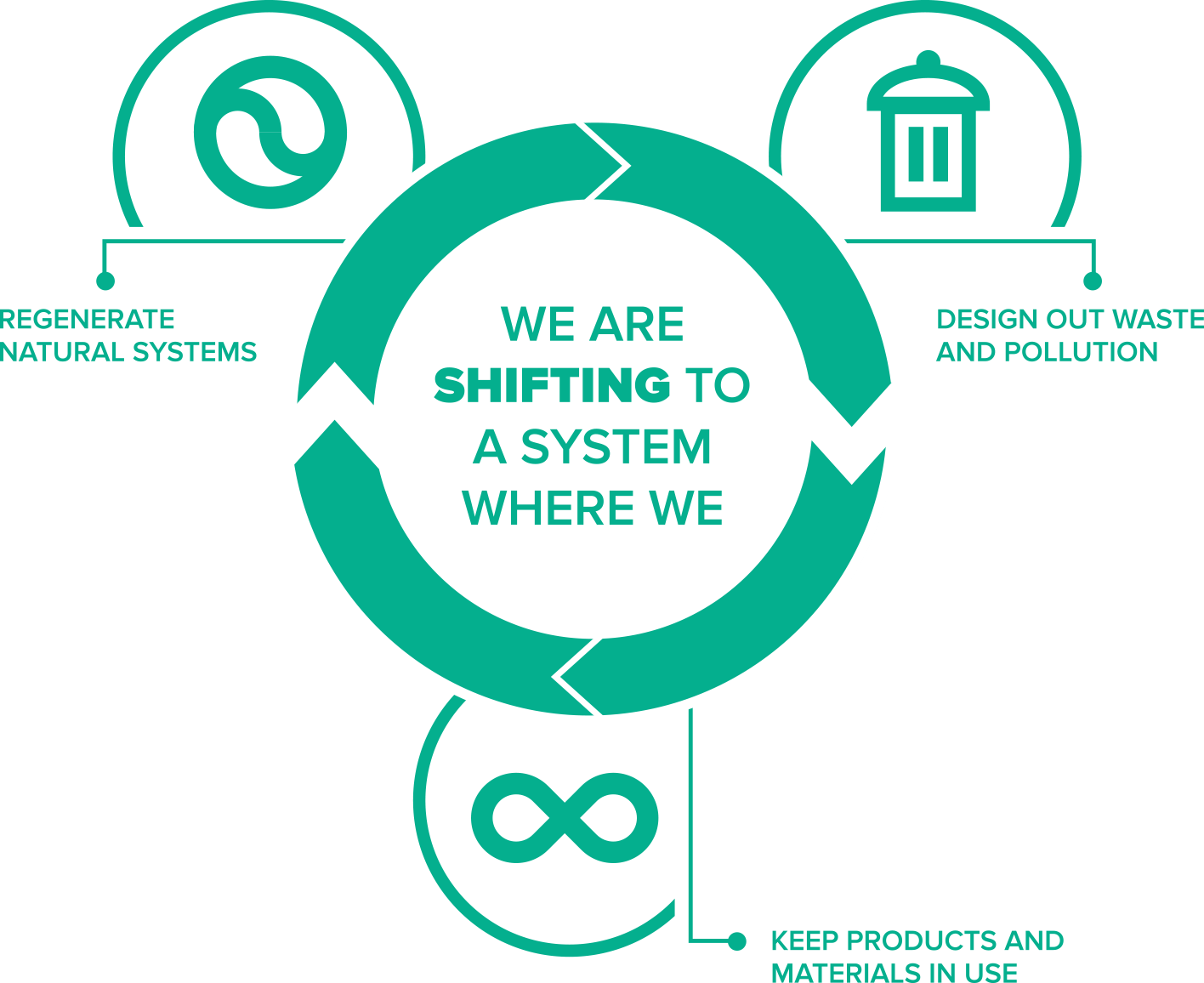
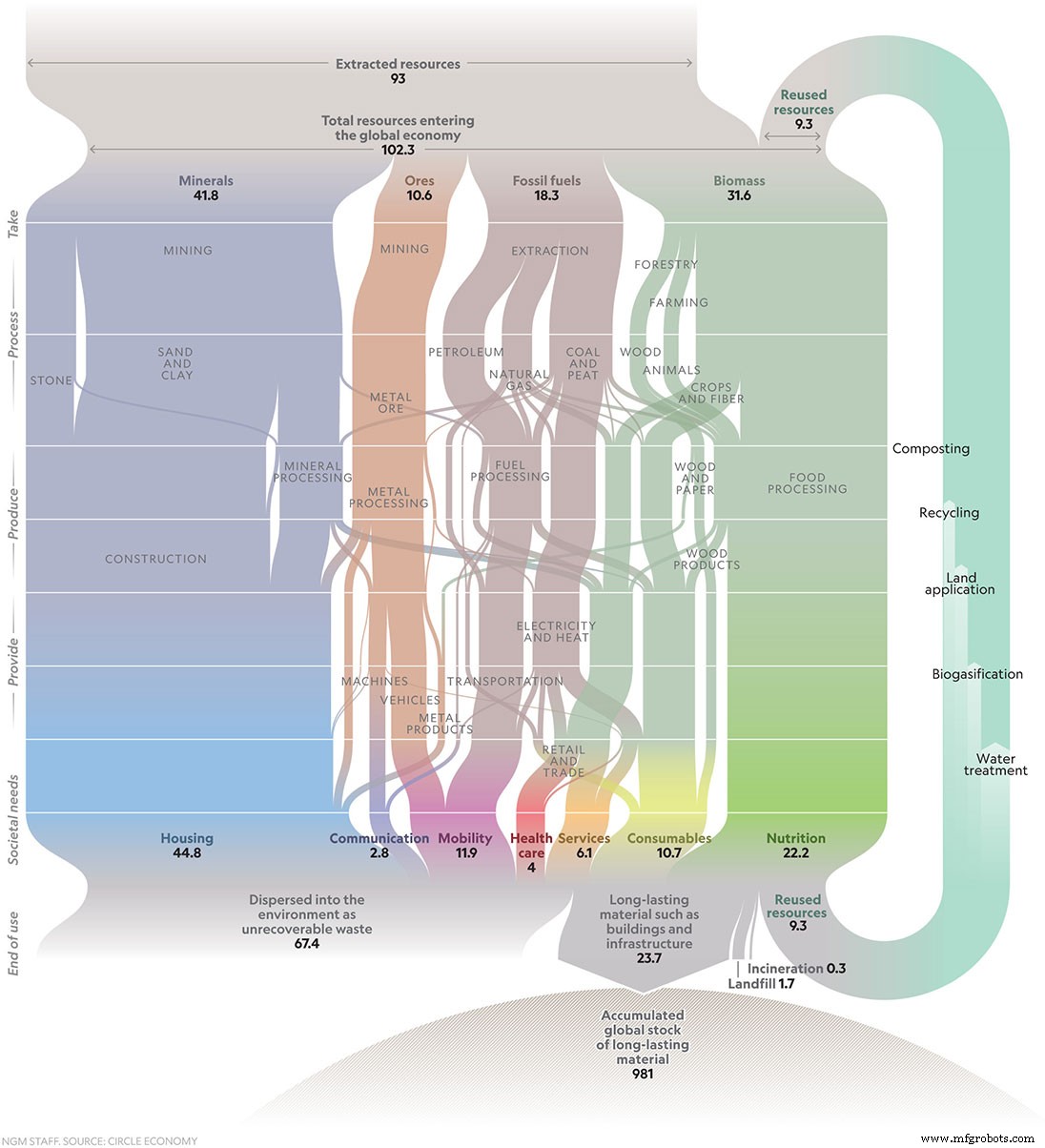
We currently operate a linear economy—take, make, waste—where two‑thirds of material (67.4 billion tons in 2015) is emitted as pollution or disposed of as waste, according to Robert Kunzig. This model generates externalities that harm both the planet and vulnerable communities.
Externalities are costs or benefits borne by third parties. Waste, air pollution, and the wealth gap are stark examples. The circular economy addresses these by embedding responsible design and maintenance into product lifecycles, thereby keeping materials in use and regenerating natural systems.
Click image to enlarge:
What Is Maintenance?
Maintenance encompasses tests, measurements, replacements, adjustments, and repairs aimed at retaining or restoring a unit’s functionality. It keeps everything from toothbrushes to industrial turbines operating as intended.
In industry, maintenance strategies are tailored to specific assets—airflow in HVAC units, filter changes, bearing cleaning, tire pumping, conveyor belt repairs, reactor upkeep, and pump maintenance. These practices keep factories, food processors, energy plants, data centers, and manufacturers running efficiently, delivering social, environmental, and economic benefits.
Benefits of Maintenance
Click image to enlarge:
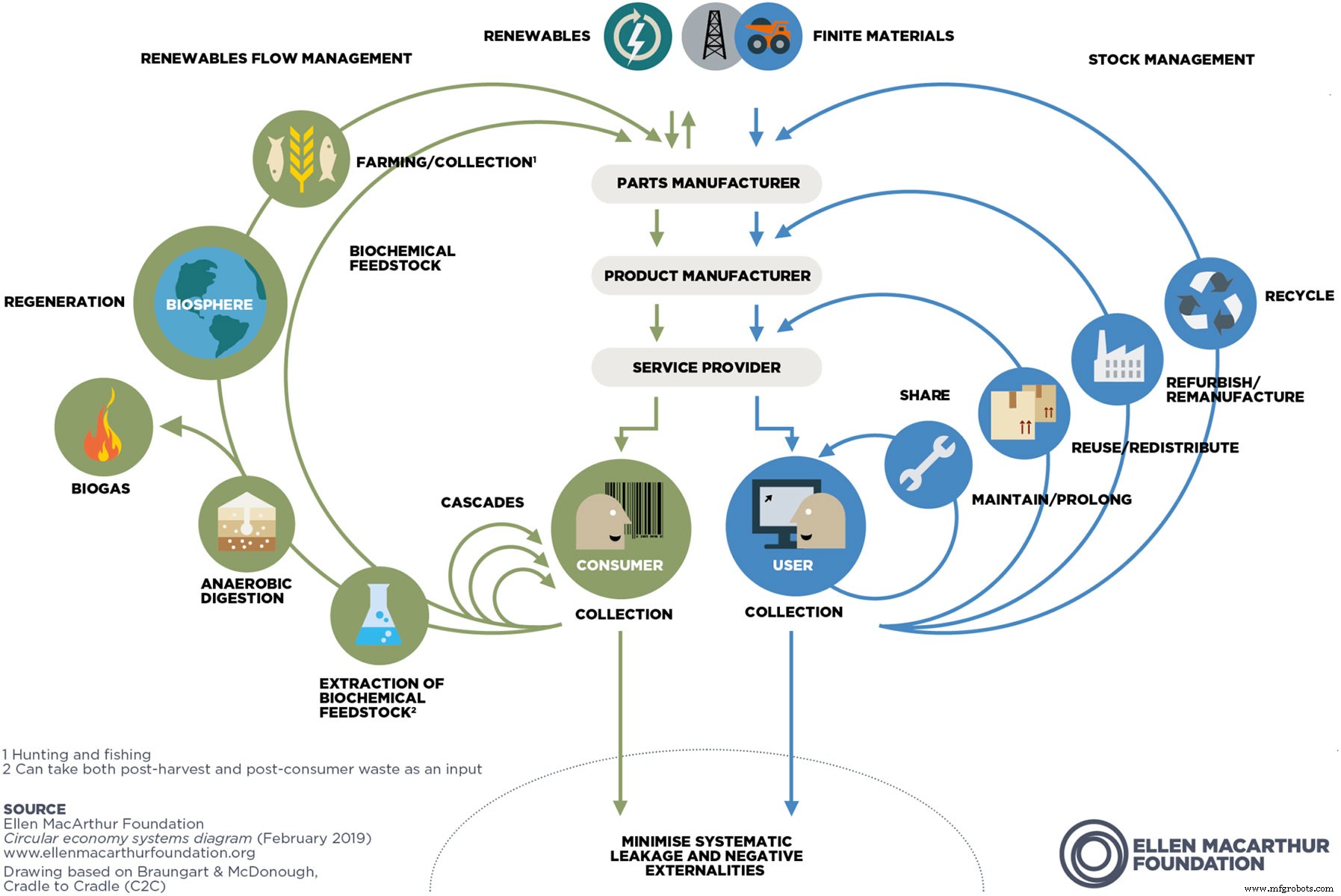
The Foundation’s map highlights maintenance as the smallest, most efficient circle—keeping existing equipment in use. With raw material and end‑of‑life costs rising, maintenance becomes an attractive catalyst for circularity.
According to Sobral and Ferreira (2018), maintenance principles—continuous improvement, performance enhancement, and lifespan extension—underpin Lean Thinking, which seeks to eliminate waste and improve society. An effective maintenance program can yield:
- Social: improved safety, reduced injury rates (maintenance‑related incidents account for 10% of workplace accidents), and healthier work environments.
- Environmental: 20% raw‑material savings with preventive programs, 35% energy‑cost reductions in homes, and 30% emission cuts in vehicles.
- Economic: 12% cost savings and up to 45% downtime reduction through predictive maintenance.
Quantifying these outcomes is essential for demonstrating maintenance’s value and accelerating the circular economy.
Barriers to Success
Maintenance is undervalued and underfunded. The Washington, D.C. think tank Maintainers critiques our focus on innovation while neglecting the essential, underpaid work of upkeep. As Andrew Russell and Lee Vinsel note, “Maintenance and repair—building infrastructure, the mundane labor that sustains functioning and efficiency—has more impact on daily life than most technological innovations.”
Maintenance and repair, the building of infrastructures, the mundane labour that goes into sustaining functioning and efficient infrastructures, simply has more impact on people’s daily lives than the vast majority of technological innovations.
– Andrew Russell & Lee Vinsel
Our obsession with new products leads to costly neglect of maintenance, resulting in infrastructure failure. In 2019, a national audit graded U.S. infrastructure a D+, revealing widespread deterioration and imminent end‑of‑life for many assets. The financial toll—millions of jobs lost and trillions of dollars in GDP—accompanies unmeasured externalities like pollution and safety risks.
The COVID‑19 pandemic highlighted that keeping systems running is entirely our responsibility. Yet maintenance remains a cost centre rather than an opportunity to save money, time, energy, and waste. It requires rebranding and a public‑education push to recognize its strategic importance.
Technology can transform this perception. Computer‑aided maintenance management systems (CMMS) track, schedule, and analyze maintenance activities. AI applied to this data uncovers trends, optimizes resources, and turns a previously opaque domain into a data‑driven advantage.
Driving the Circular Economy Forward with Better Maintenance
Three key actions will propel circularity through maintenance:
- Integrate sustainability metrics into maintenance, reliability, and asset‑management frameworks. Leverage technology to capture and report performance.
- Advocate for maintenance and repair as core components in circular‑economy research and policy.
- Adopt data‑enabled solutions—CMMS, IoT sensors, AI analytics—to realize tangible benefits and ensure accountability.
We don’t need to reinvent the wheel to achieve sustainability; we simply need to care for what we already own.
Equipment Maintenance and Repair
- Unlocking Real-Time Value with Predictive Maintenance
- Global Landscape of Maintenance: Trends, Practices, and Future Directions
- Reliability and Safety: A Symbiotic Path to Operational Excellence
- Enhancing Operations‑Maintenance Collaboration for Superior Manufacturing Outcomes
- How Asset Management Drives Sustainability: Insights from Fiix & Raconteur
- CN Tower Maintenance: Inside the Engineering Behind Toronto’s Iconic Landmark
- Maintenance vs. Repairs: Key Differences & Budget Optimization
- Periodic vs. Predictive Maintenance: Choosing the Right Strategy for Your Business
- Unplanned vs Unscheduled Maintenance: Key Differences Explained
- Key Differences Between Preventive and Corrective Maintenance Explained