



Maximizing Bearing Longevity in Food Processing Operations
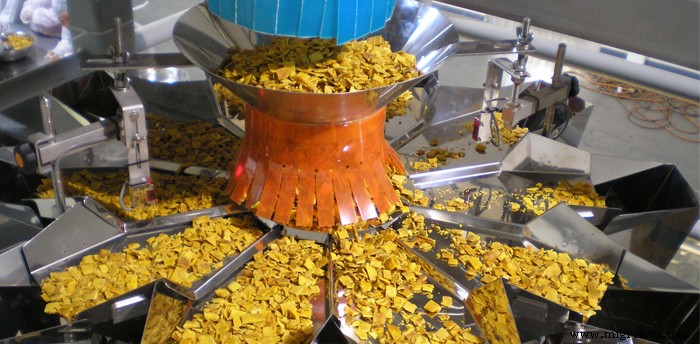
Four essential considerations for selecting and maintaining bearings in food and beverage processing.
Food and beverage facilities expose bearings to some of the toughest conditions: high‑pressure washdowns, frequent contact with acids, cooking fats, detergents, moisture, extreme temperatures, and antibacterial cleaning solutions. These components must not only survive but resist peeling, chipping, flaking, and corrosion.
To minimize downtime, accelerate clean‑ups, and simplify maintenance, focus on these four pillars: proper lubrication, bearing type and style, the correct housing for the application, and seals & end covers.
Proper Lubrication
Using the right lubricant in the right quantity is critical for bearing durability. Food‑grade greases are classified as FDA/USDA H1 or H2 approved. Both over‑lubrication and under‑lubrication increase friction, accelerating wear and potential failure. Identify the optimal amount for your specific environment.
Grease compatibility varies widely. Consult your bearing manufacturer to select the correct type and volume, ensuring maximum performance and lifespan.
Bearing Type and Style
Choosing the appropriate bearing design dramatically impacts life expectancy. In wet, corrosive environments typical of food processing, stainless‑steel bearings offer superior corrosion resistance and reliability.
Correct Housing for the Application
Opt for non‑toxic, thermoplastic housings reinforced with stainless steel. Their smooth finish hinders bacterial colonization, while chemical resistance reduces chipping or flaking during detergent washdowns. A solid base prevents water and contaminants from pooling, further inhibiting bacterial growth.
Seals and End Covers
Additional components such as seals and end covers extend bearing life by:
- Seals shield lubrication and block contaminants from entering the bearing.
- End covers, often thermoplastic in food‑grade units, protect exposed shaft ends, address health & safety concerns, and reduce contamination risks.
These bearing‑life strategies are compiled by NSK Canada Inc., whose portfolio includes high‑temperature bearings and mounted units with easy‑clip end covers—designed to eliminate the need for specialized housings.
Equipment Maintenance and Repair
- Ball Bearings: Evolution, Manufacturing, and Quality Assurance
- How Incorrect Greasing Can Trigger Bearing Failure
- To Grease or Not to Grease: Best Practices for Electric Motor Bearing Lubrication
- How to Extend Bearing Life: Proven Repair Strategies and Savings
- Maximizing Machine and Component Longevity: Smart Strategies for Manufacturers
- Types of Bearings: Function, Parts, and Applications
- Understanding Bush Bearings: Types, Functions, and Applications
- Radial Bearings Explained: Types, Applications, and Performance
- Mechanical Bearings Explained: Function, Types, and Applications
- A Comprehensive Guide to Mechanical Bearings: Function, Types, and Applications