



6 Most Popular Mechanical Bearing Types Explained
A mechanical bearing is a precision component that enables smooth rotational or linear motion between two parts, cutting friction and boosting energy efficiency.
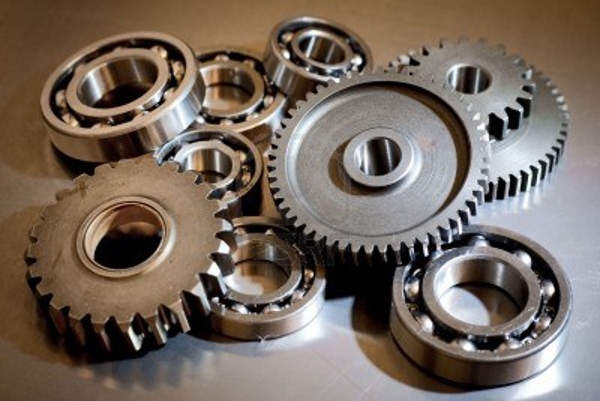
From household appliances to high‑speed machinery, bearings are everywhere. Whether metal or plastic, they rely on the principle that rolling is far more efficient than sliding. Without them, car wheels would rattle, gears would grind, and performance would suffer.
Bearings are engineered to carry specific load types—radial, thrust, or a combination. Below are the six most common categories, each chosen for a particular application and load profile.
1) Plain Bearings
Plain bearings are the simplest form—just a smooth contact surface without rolling elements. They excel in high‑load environments, are cost‑effective, and, when fabricated from the right material, can outlast more complex bearings.
2) Rolling Element Bearings
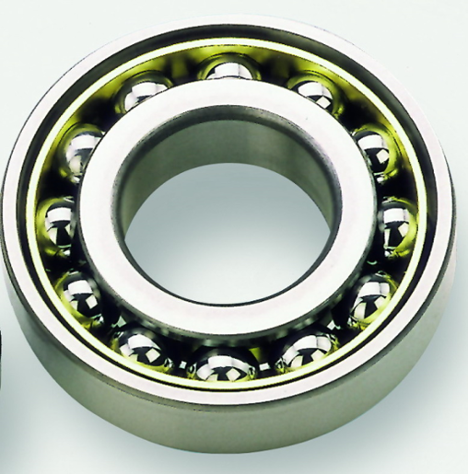
These bearings interpose balls or rollers between inner and outer races, dramatically reducing rolling resistance. Ball bearings handle both radial and thrust loads but are best for moderate forces. Roller bearings, with cylindrical elements, are ideal for heavy radial loads—think conveyor belts—though they are less tolerant of thrust forces.
3) Jewel Bearings
Used primarily in precision time‑pieces, jewel bearings feature a metal spindle rotating within a jewel‑lined pivot. Their extremely low, predictable friction improves accuracy in watches and clocks.
4) Fluid Bearings
Fluid bearings support load through a thin film of gas or liquid. Fluid‑dynamic bearings create a lubricating wedge through rotation, while hydrostatic bearings rely on an external pump to maintain the fluid film. These are indispensable in high‑speed, high‑load, or high‑precision applications where conventional bearings would vibrate or overheat.
5) Magnetic Bearings
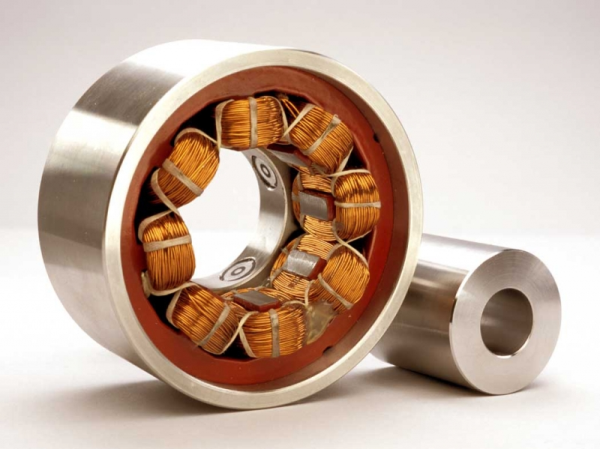
Magnetic bearings suspend moving parts with magnetic fields, eliminating physical contact. They offer negligible, consistent friction and can operate in vacuum or high‑temperature environments. Continuous power is required; thus, a backup mechanical bearing is typically installed for safety.
6) Flexure Bearings
A flexure bearing uses a single elastic component—often a hinge—to transfer motion. Designed for repeated bending, its lifespan hinges on material choice; with proper engineering, flexure bearings can endure virtually unlimited cycles and resist fatigue better than many ball or roller bearings.
Have a favorite bearing type? Share your experiences or questions in the comments below.
Looking for deeper engineering insight? Check out our complimentary Glossary of Plastic Manufacturing Terms.

Resin
- Top 3 Tungsten Alloys and Their Key Applications
- Ball Bearings: Evolution, Manufacturing, and Quality Assurance
- To Grease or Not to Grease: Best Practices for Electric Motor Bearing Lubrication
- The Most Common Screw Drives Explained: Types, Uses, and Features
- Top 6 CNC Machine Types Every Manufacturer Should Know
- Types of Bearings: Function, Parts, and Applications
- Understanding Bush Bearings: Types, Functions, and Applications
- Radial Bearings Explained: Types, Applications, and Performance
- Mechanical Bearings Explained: Function, Types, and Applications
- A Comprehensive Guide to Mechanical Bearings: Function, Types, and Applications