



Could the Super Bowl Exist Without Plastic?
Plastic fasteners may be small, yet they are ubiquitous across modern infrastructure. In the sporting world, their presence is invisible but essential—from the fabrics that keep athletes moving to the safety gear that protects them. The Super Bowl, the pinnacle of American football, would be unthinkable without the materials that make it possible. Below is a detailed look at how plastic is woven into the fabric of the MetLife Stadium on game day.
1) Uniform
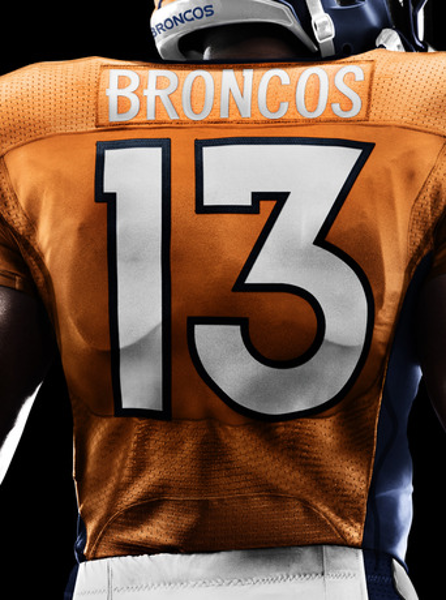
All NFL teams, including the Seahawks and Broncos, wear Nike’s Elite 51 series. The uniform is a composite of nine engineered materials designed to be lightweight, breathable, and tear‑resistant. While Nike keeps the exact formulation proprietary, the key components include nylon and other synthetic polymers. The cleats feature a carbon‑fiber insert that enhances strength while protecting the foot. Nike’s Oregon research lab rigorously tests each uniform element—identifying high‑stress zones and optimizing ventilation—to ensure durability under intense play.
2) Helmet
Head‑and‑neck safety remains a top priority for the NFL. In September 2023 the league announced a $10 million incentive program to spur the development of next‑generation helmets. The Head, Neck, and Spine Committee has introduced sensor arrays that record impact magnitude and location, providing data that will shape future designs. Current helmets use a polycarbonate outer shell, steel‑wire face masks with a plastic coating, and interior layers of polypropylene foam and vinyl nitryl foam. Ongoing research may replace these polymers with newer, lighter materials to further reduce concussion risk.
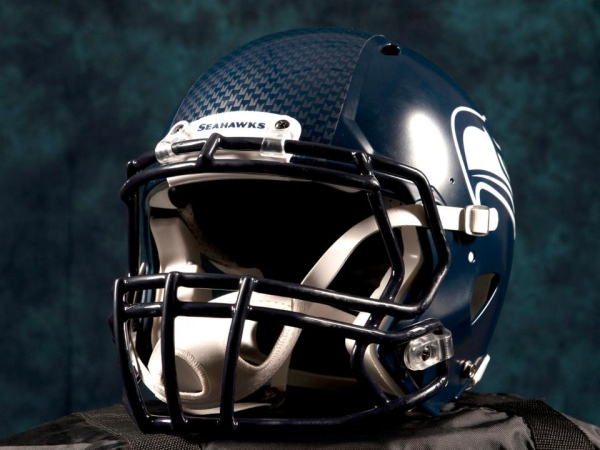
One interesting feature is the speaker system in the quarterback’s helmet. Each team is permitted a single helmet on the field with a built‑in speaker (identified by a green dot on the back) that allows the head coach to communicate directly with the quarterback during play.
3) Astroturf
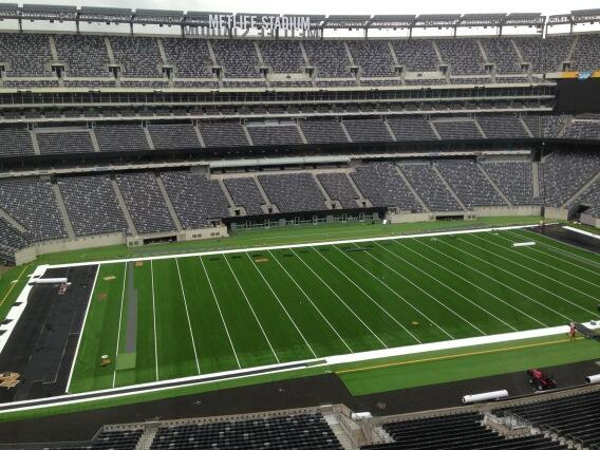
MetLife Stadium’s playing surface is the UBU Sports Speed S5‑M Turf System. This synthetic grass employs a polyurethane backing and an infill blend of 30 % sand and 70 % rubber. The blades themselves are made from UBU’s “Harmony Fiber,” a proprietary polymer that mimics natural grass while delivering superior durability. Synthetic turf is the standard for professional stadiums in temperate regions; only a handful of venues in mild climates, such as San Diego, use natural grass. Without plastic‑based turf, hosting a Super Bowl in February at a Northeastern stadium would be impossible.
4) Seating
According to the stadium’s sustainability page, every seat is constructed from recycled plastic combined with scrap iron. This not only reduces landfill waste but also contributes to a lighter, more energy‑efficient structure.
Beyond these four examples, plastic plays a critical role in mouth guards, shoulder pads, knee pads, and countless other pieces of equipment that keep players safe and perform at their best.
Who will you be cheering for this Sunday? Let us know in the comments below.
Looking for a plastic strong enough to survive the Super Bowl? Check out our complimentary guide to high‑strength plastics.

Resin
- Defining the Edge: Where Edge Computing Truly Happens
- Vespel® – The High‑Performance Polyimide for Extreme Environments
- Top 3 Plastic Engineering Innovations of the Week
- Plastic Recycling: From History to Future Outlook
- How Plastic Materials Are Revolutionizing Modern Construction
- How Plastics Power Modern Medicine
- How Cryogenic Temperatures Affect High‑Performance Plastics: Expert Insights
- How Plastic Innovations Enhance Workplace Safety Across Industries
- Biodegradable Plastics: Benefits, Challenges, and the Path Forward
- Lightweight Fire Resistance in Composite Materials