



Morgan Vague’s PET‑Degrading Bacteria: A New Front in the Fight Against Plastic Pollution
Bacteria Eating Plastic
During her senior year at Reed College, Oregon biologist Morgan Vague isolated three bacterial strains capable of metabolizing polyethylene terephthalate (PET) – the polymer used in countless everyday items such as bottles, apparel, bags, and food packaging.
These microbes break PET down into harmless by‑products, offering a promising biological solution to one of the planet’s most pervasive waste streams.
Plastic Pollution Today
Every year, roughly 300 billion tonnes of plastic enter oceans and landfills, a volume that would encircle the globe four times. Humans alone use about 10 billion plastic bags daily. PET accounts for 20% of all plastic produced annually and can persist for centuries, contributing to the massive “garbage patches” that now span areas the size of Texas.
Vague’s Scientific Inquiry
Recognizing the extraordinary adaptability of bacteria – there are estimated 5 × 10^27 individual bacteria worldwide – Vague wondered whether microbes thriving in heavily polluted environments might have evolved the capacity to digest synthetic materials.
She focused on seven EPA‑designated Superfund sites in Galveston Bay, Texas, sites so contaminated that federal cleanup efforts were deemed a national priority. From these hotspots, she collected 300 samples of sand, soil, and water, transporting them back to Oregon for laboratory analysis.
Identifying PET‑Degrading Strains
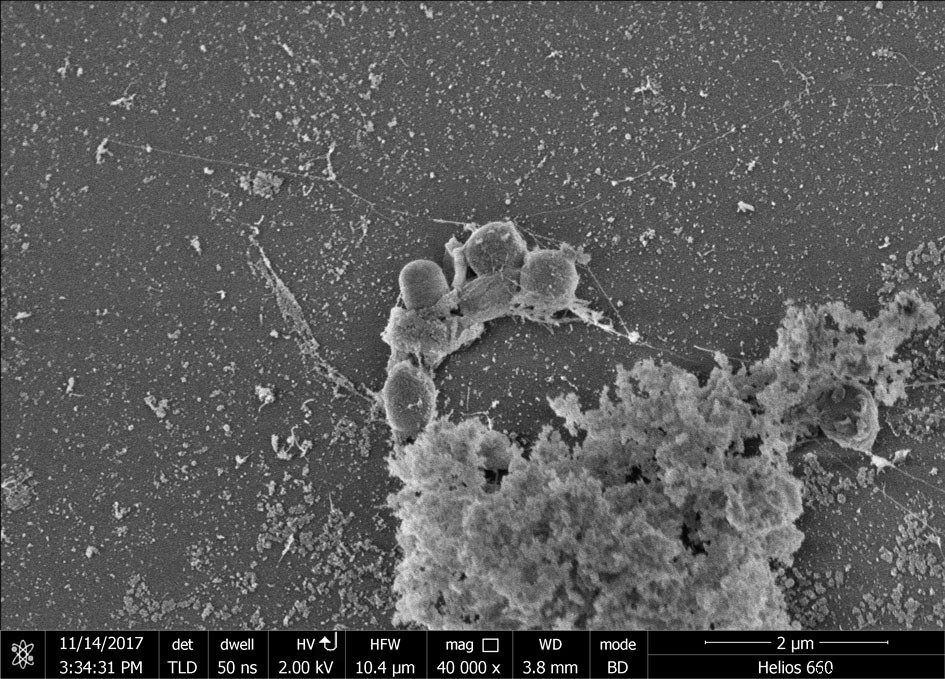
For a bacterium to consume PET, it must produce the enzyme lipase, which initiates polymer breakdown. Of the 300 specimens examined, 20 yielded detectable lipase activity. Vague narrowed her focus to the top three producers: Pseudomonas putida, Bacillus cereus, and a previously unnamed strain she christened Pseudomonas morgenensis after her own discovery.
When cultured on a PET diet, all three strains successfully degraded the polymer, confirming their natural capability to process plastic waste.
Natural Evolution, No Risk of Ecological Disruption
Because these bacteria evolved naturally in contaminated sites, they pose minimal risk of inadvertently colonizing non‑plastic environments or disrupting existing ecosystems.
Future Directions
While Vague’s findings mark a significant milestone, she cautions that widespread application will require further research. Strategies include pre‑treating PET to enhance bacterial digestibility and training strains to target other plastic types. Understanding bacterial food‑search mechanisms and scalability will be critical for translating laboratory success into global waste‑management solutions.

Resin
- Vespel® – The High‑Performance Polyimide for Extreme Environments
- Top 3 Plastic Engineering Innovations of the Week
- Plastic Recycling: From History to Future Outlook
- How Plastic Materials Are Revolutionizing Modern Construction
- Static Electricity in Plastic Fasteners: Why ESD Ionizers Are Essential
- How Cryogenic Temperatures Affect High‑Performance Plastics: Expert Insights
- How Plastic Innovations Enhance Workplace Safety Across Industries
- Biodegradable Plastics: Benefits, Challenges, and the Path Forward
- Thermoset vs Thermoplastic: Key Differences and Definitions Explained
- The Complete Guide to Plastic Processing and Fabrication