



DIN Standards for Metric Fasteners: History, Impact, and Global Adoption
Most metric fasteners are made to the DIN standard—but what does DIN stand for?
Just as the American National Standards Institute (ANSI) was established to promote voluntary standards and industry conformity in the U.S., the German counterpart—DIN—was founded in 1917 in Berlin. Its name, Deutsches Institut für Normung (German Institute for Standardization), was adopted in 1975 after the agency evolved from the original Normenausschuss der deutschen Industrie (NADI).
Initially created by the Association of German Engineers and the scientific community, DIN later received official recognition from the German government. The institute has since compiled and published industrial standards that unify German manufacturing. While its origins lay in industrial practices, today DIN sets standards for everything from metric fasteners to alpine skiing equipment.
Germany’s long-standing reputation in science, engineering, and manufacturing is bolstered by DIN’s rigorous standards. The DIN headquarters in Berlin were destroyed during World II, but the organization resumed operations in 1946 under the Allied Control Council. In 1951, DIN joined the International Organization for Standardization (ISO), giving it a voice in global manufacturing.
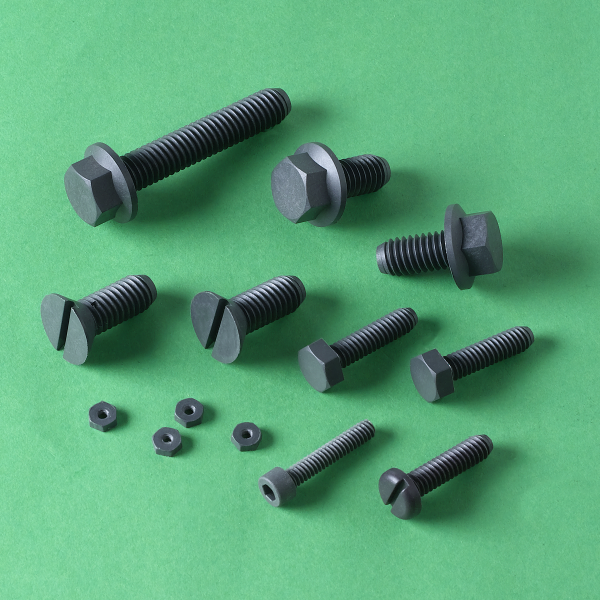
Today, the vast majority of metric fasteners—including Craftech’s plastic metric fasteners—are produced to DIN specifications. DIN’s standards are widely recognized worldwide and have helped elevate German technology on the global stage. The institute is currently revising its standards to align more closely with ISO, a trend that is likely to cement ISO as the world’s definitive standard. ANSI’s metric standards already align closely with ISO’s.

DIN is a non‑profit organization funded by membership fees. It boasts nearly 1,700 members, ranging from corporations and trade associations to public authorities and research institutions. When a new standard is proposed, all members participate in the consensus‑building process. A standard is defined by DIN as a document “established by consensus and approved by a recognized body that provides rules, guidelines, or characteristics for activities or results, aimed at achieving optimal order in a given context.” Anyone can submit a proposal; once accepted, a standardization project is formed and overseen by DIN’s Standards Committee. Work groups, composed of subject‑matter experts, collaborate to produce drafts, solicit public comment, and finalize the document.
In a global economy driven by rapid technological change, harmonized standards are essential for supply‑chain efficiency and product interoperability. Since 1946, ISO has championed international standardization, and DIN’s influence ensures that German engineering continues to shape global best practices.
Questions? Thoughts? Let me know in the comments section below.
Looking for more information on standards for metric fasteners? Check out our free Guide to Thread Standards and Definitions.

Resin
- DDS Foundation Unveiled: Strengthening DDS Standard and Community for the Industrial IoT
- Why No Universal IoT Security Standard? Understanding the Complex Landscape
- Static Electricity in Plastic Fasteners: Why ESD Ionizers Are Essential
- Ultrasonic Welding of Plastics: A Professional Guide to High-Strength, Eco-Friendly Bonding
- Flush-Head vs. Concealed-Head Fasteners: Key Differences Explained
- Getting Started with Verilog and VHDL: A Clear Guide to HDL Basics
- Why IPC-6012 & IPC-A-600 Standards Matter in PCB Manufacturing
- TL072 Pinout: Audio IC Applications, Features, and Design Tips
- IPC PCB Standards: Key to High-Quality, Reliable Printed Circuit Boards
- Mitigating Risks When Converting Standard to Metric Tolerance Charts