



Polymer Nanocomposites: Unlocking Superior Strength, Efficiency, and Innovation
Polymer nanocomposites are reshaping modern plastic technology. 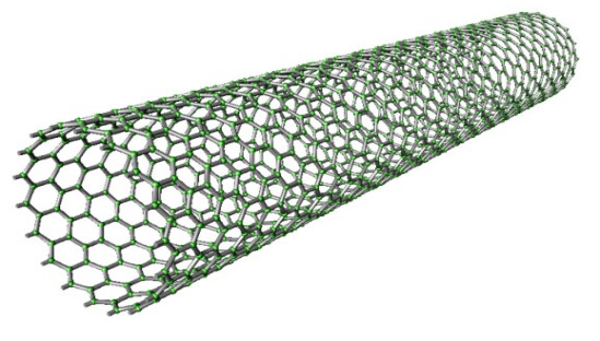
A nanocomposite consists of nanoscale fibers—particles ranging from 1 to 100 nm—embedded within a continuous matrix or resin. When these nanoparticles are dispersed throughout a plastic resin, the resulting material behaves like a near‑molecular blend of polymer chains and nanoscale inclusions.
Nature offers plenty of examples of nanocomposites: soil’s mineral matrix filters out microscopic particles; human bones and mollusk shells (e.g., nacre) combine inorganic aragonite with organic biopolymers to achieve extraordinary hardness and toughness. In nacre, alternating layers of CaCO₃ and organic polymer create a structure that is twice as hard and a thousand times tougher than either component alone.
Commercially, nanoclays—especially montmorillonite—are the most prevalent additive, accounting for roughly 80 % of global nanoclay production. Carbon nanofibers, multi‑walled carbon nanotubes (MWCNTs), and synthetic polyhedral oligomeric silsesquioxanes (POSS) are rapidly gaining traction. POSS, a silicon‑oxygen cubic framework, offers unique mechanical and thermal properties.
These nanoparticles are blended with a wide array of polymers—polyamides (nylons), polypropylene, polystyrene, epoxy resins, polyurethanes, polyimides, PET, and more—to create high‑performance polymer nanocomposites.
What sets polymer nanocomposites apart from conventional composites? Their exceptional aspect ratio (length/diameter) and surface‑to‑volume ratio enable superior load transfer and interfacial bonding, while their strength‑to‑weight ratio outpaces traditional fiber‑reinforced systems.
- Aspect Ratio: High aspect ratio (HAR) particles—long, slender fibers—provide extensive interfacial contact.
- Surface‑to‑Volume Ratio: Small, porous particles expose more surface area per unit volume, accelerating chemical interactions.
- Specific Strength: Carbon fiber delivers 6,300 MPa and 2,457 kN·m/kg; carbon nanotubes reach 23,000 MPa and 45,268 kN·m/kg. Nanocomposites typically use only 2–10 % loading yet match or exceed the performance of composites with 20–30 % mineral or glass reinforcement.

Applications span from next‑generation lithium‑ion battery anodes—where silicon‑carbon nanocomposites enhance lithium electrolyte contact—to wind turbine blades, automotive, and aerospace components that benefit from reduced weight and increased fuel efficiency.
Are you integrating polymer nanocomposites into your products? Share your experience in the comments below.
Want to dive deeper into reinforced plastics? Download our free High Strength Plastic Guide.

Resin
- Industrial Internet Security Framework: Safeguarding IIoT Systems – Why It Matters
- 14 IoT Thought Leaders You Should Follow
- NuttX RTOS: A Comprehensive, Free, POSIX‑Compliant Real‑Time Operating System
- Why D.E.F.I. Is the Premier Choice for Houston Fiberglass Solutions
- Integrating Simulation with 3D Printing: A Proven Path to Faster, Cost‑Effective Design
- Cybersecurity for Manufacturers: Why It Matters and How to Stay Safe
- Combat Workplace Fatigue: Why It Matters & How to Stay Alert
- PMMA Filament: The Ultimate Choice for Strength & Durability in 3D Printing
- NylonX vs. CarbonX: Choosing the Right Material for Your 3D Printing Projects
- Key Causes of Turbocharger Failure and How to Spot Them