



Wax Worms: A Novel Solution for Polyethylene Degradation
Plastic Bag Waste in the Oceans
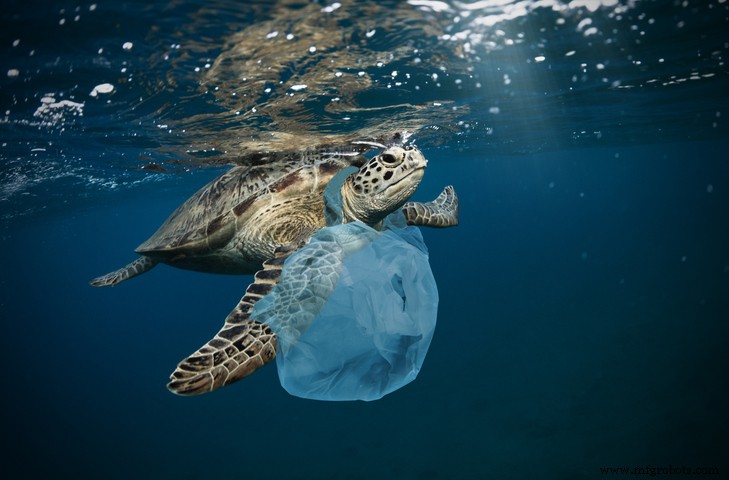
Over three trillion single‑use plastic bags are produced each year, and a large portion of them ends up in our oceans. Most of these bags are made of polyethylene (PE), a durable polymer that can take decades to break down. Recent research suggests that the humble wax worm could help address this massive environmental challenge.
Wax Worms
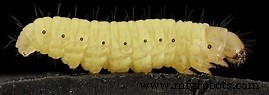
Wax worms (Galleria mellonella) are cultivated as a protein‑rich food source in regions where meat is scarce. They are also popular live food for terrarium pets and certain birds, and anglers commonly use them as bait, referring to them as "waxies." High in fat, easy to breed, and capable of surviving weeks at low temperatures, these larvae have become a staple in many households.
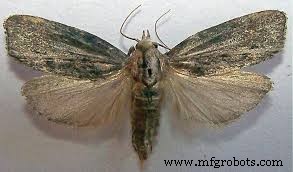
Greater Wax Moth
Accidental Discovery
In an unexpected turn of events, Spanish scientist and beekeeper Federica Bertocchini observed a mystery: after cleaning a wax‑worm–infested hive, she placed the debris in a plastic bag and later found the bag riddled with holes. The worms had apparently chewed through the PE, raising the question—were they simply gnawing or actually digesting the plastic?
Bertocchini and her team conducted controlled experiments. They ground up wax worms into a pulp, spread it over a polyethylene bag, and observed rapid degradation. The result indicated a chemical reaction rather than mere mechanical wear.
Polyethylene Into Glycol
The worms appear to convert polyethylene into glycol, a liquid alcohol. This conversion demonstrates that PE can be transformed into a different, potentially useful material.
Enzymes in the Gut of Wax Worms
While the exact mechanism remains unclear, it is believed that gut enzymes or symbiotic microbes play a pivotal role. Wax worms thrive in beehives, consuming wax and honey—both substances rich in strong carbon bonds similar to those in polyethylene. A Canadian research group at Brandon University confirmed that the gut microbiota enables wax worms to ingest and metabolize PE at impressive rates, even on a diet composed solely of plastic. They dubbed these organisms "plastivores."
Although releasing live wax worms onto plastic waste is impractical—these larvae are pests that threaten honeycomb integrity and the crops bees pollinate—the findings open a pathway to harness gut bacteria or isolated enzymes. By extracting the relevant microbial consortia or enzymes, researchers hope to develop efficient, scalable plastic‑degradation processes without deploying live organisms.

Resin
- The Complete Guide to Modern Furniture Polish: History, Ingredients, and Manufacturing
- 3D Systems ProJet MJP 2500W – High‑Performance Wax Printer for Direct Metal Casting
- Polyethylene Glycol Enhances NiO Photocathodes for Quantum‑Dot Tandem Solar Cells
- Investment Casting Explained: The Precision Lost-Wax Process
- Polyurethane vs Polyethylene: Choosing the Right Plastic for Your Design
- Wax 3D Printing: Feasibility, Applications, and Future Outlook
- Polyethylene (PE): Essential Insights for Material Professionals
- Understanding Ultra-High-Molecular-Weight Polyethylene (UHMWPE): Properties, Applications, and Selection Guide
- Understanding Lost Wax Metal Casting: Techniques & History
- Investment Casting Explained: A Timeless Manufacturing Process