



The Truth About Manufacturing Jobs: Pay, Skills, and Gender Diversity
Lauren Flick
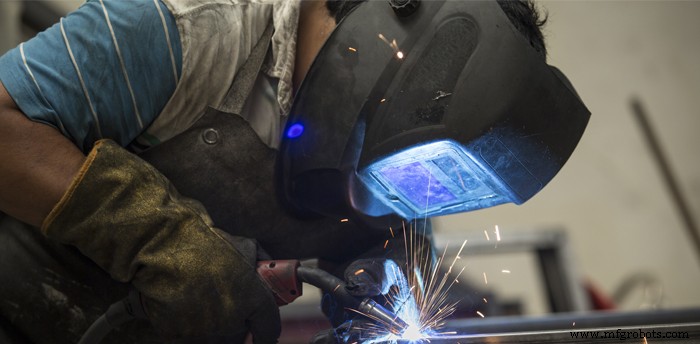
Manufacturing jobs often carry a negative stereotype: dirty, backbreaking, low‑paying work that’s largely reserved for men. Separating myth from reality is essential for anyone considering a career in this vital sector.
Myth 1: Manufacturing Jobs Pay Poorly
Reality: A 2013 Joint Economic Committee report found that manufacturing workers earned, on average, 17% more per hour than workers in other industries. That translates to an average annual salary of $77,506, including wages and benefits, according to the National Association of Manufacturers. Manufacturing also offers a higher likelihood of health and retirement benefits and often includes on‑the‑job training.
Senator Amy Klobuchar highlighted that U.S. manufacturing accounts for 12% of GDP and employs 12 million people nationwide.
Myth 2: Manufacturing Is a Low‑Skill, Limited‑Opportunity Field
Reality: Today’s factories run robots and sophisticated machinery, requiring more math and technical skill than manual labor. Deloitte and The Manufacturing Institute report that 84% of executives see a significant talent shortage, with 2.2 million production roles projected to open by 2022—half a million of those for engineers and many for emerging tech positions.
In response, President Obama launched the Nationwide Network for Manufacturing Innovation (NNMI) to fund regional hubs that partner with NIST, colleges, and universities, offering training in automotive, aerospace, textiles, and more. Deputy Director Frank W. Gayle notes that advanced manufacturing roles can be accessed without a formal engineering degree, emphasizing opportunity for all backgrounds.
Currently, a handful of regional centers are operational, with plans to expand to 45 nationwide over the next decade.
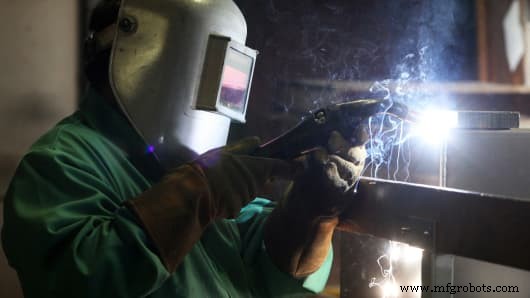
Tim Boyle | Bloomberg | Getty Images
Myth 3: Manufacturing Is Exclusively Male
Reality: Manufacturing remains male‑dominated: women hold only 27% of jobs, 17% of board seats, 12% of executive positions, and 6% of CEO roles. Despite the sector’s high-tech nature, fewer than 10% of women aged 17‑24 list manufacturing among their top five career choices, largely due to perceptions of limited challenge and interest.
However, 82% of women already working in manufacturing report that the field is interesting, challenging, and offers multiple career pathways. Senator Klobuchar calls for expanded mentoring, workforce training, and STEM education to showcase manufacturing as an innovative, critical industry for the future.
Find the original article here.
Equipment Maintenance and Repair
- Aluminum Uncovered: 5 Myths Debunked by Experts
- Debunking 5 Myths About 3D Printing: What You Need to Know
- 9 Myths About 3D Printing Debunked: What You Need to Know
- Debunking 4 Common Myths About American Manufacturing
- 15 Key Insights Into U.S. Manufacturing: History, Trends, and Impact
- Debunking the Biggest Myths About Advanced Manufacturing Robotics
- Debunking Manufacturing Myths: The Real Impact of Automation & Career Opportunities
- Dynamic Balancing Unveiled: Myths Debunked & Real Advantages
- Waterjet Cutting Explained: 5 Common Myths Busted
- Dispelling Five Common Myths About Process Automation