



Optimizing Belt Drives: Expert Tips for Reliability and Efficiency
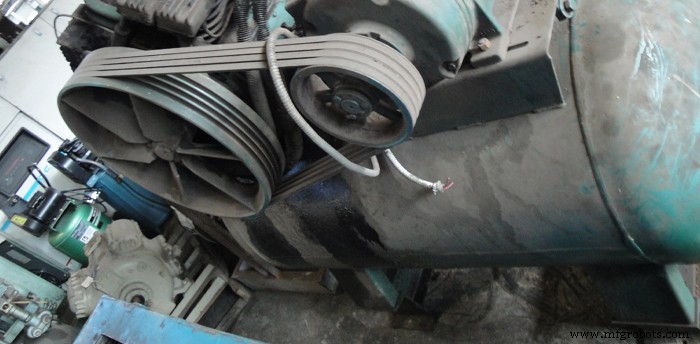
Modern belt drives remain dependable and long‑lasting when chosen correctly, installed properly, and given routine care. Below are proven strategies to prevent failures and minimize downtime.
TIP 1 | Avoid Misaligned Belts
Misalignment can cause vibration, accelerated side‑wall wear, belt rollover, and premature failure. Common causes include:
- Angular misalignment: drive and driven shafts not parallel.
- Parallel misalignment: pulley centers not aligned.
- Two‑plane misalignment: a pulley tilted due to bushing wear.
V‑belts tolerate up to six degrees of misalignment before rolling over, but best practice is to keep misalignment below 0.5° or 0.1 in per foot of pulley span. Joined V‑belts and other profiles have tighter tolerances. Short instructional videos on “belt drive alignment procedures” are widely available online.
TIP 2 | Address High‑Temperature Failures
Overheating typically stems from insufficient tension, high ambient temperatures, or an incompatible belt profile. Signs include glazing, melting of the polyester cord, or a noticeably shortened belt life.
Ensure correct tension and, if necessary, replace solid guards with perforated ones to improve airflow—though avoid screens in dusty or aggregate environments, as advised by Dave Bayne, engineering manager at Jason Industrial Inc. For persistent heat issues, upgrade to a higher‑temperature “X” belt, which offers 20–25 °F greater heat resistance.
TIP 3 | Use a Belt and Pulley Gauge
A dedicated gauge, similar to spark‑plug feeler gauges, helps detect worn pulleys, verify belt cross‑sections, and match replacement belts to pulley grooves. Bayne notes that mismatched profiles often lead to roller failure and misfits.
TIP 4 | Maximize Belt Efficiency
Proper tension brings V‑belt efficiency to 95–98%. Under‑tension causes slip, reducing efficiency and increasing energy use—e.g., a 5% loss can raise power consumption by 26,888 kWh/year for a 100‑hp supply‑air fan motor, per the U.S. Department of Energy. After installing a new belt, run the machine under full load, then re‑tension. Run‑in times vary from 15 minutes to 45 hours per the Gates Technical Information Library.
TIP 5 | Adopt Preventive Maintenance
Polyester‑cord belts retain tension better than older rayon cords, making monthly tension checks unnecessary. Still, inspect pulleys with a gauge and replace them after roughly five belt changes to prevent performance decline. Maintain a stock of spare belts—especially specialty types like silicone‑free options—and establish a supplier that can expedite replacements.
TIP 6 | Consider a Vibration Meter for Tensioning
In facilities with many drives, vibration meters offer rapid, accurate tension measurements. After determining the correct vibration frequency for a belt, a simple tap midway between pulleys yields an instant reading. While basic models cost $400–$500, the time savings can be significant, especially for high‑horsepower or multi‑belt setups.
TIP 7 | Eliminate Squeal and Other Noise
Belt squeal is usually a symptom of slip. Causes include under‑tensioned belts after a replacement, worn sheaves, sudden high‑torque starts, or contaminants such as grit, oil, or grease. Verify that noise originates from the belt—bearing issues, loose guards, or excessive pulley speed (above 6,500 ft/min) can also be culprits.
Carroll McCormick, senior contributing editor, MRO Magazine (Montreal)
Equipment Maintenance and Repair
- Expert Insights on Common Mistakes in Selecting Power Transmission Belts
- Preventing Machine Failures: Overcoming the “Tomorrow” Mentality in Lubrication Maintenance
- The Value of Point P: A Strategic Focus for Reliability & Maintenance
- Best Practices for Storing and Handling Power Transmission Belts
- Why Manufacturers Prefer Polyurethane Blades for Conveyor Belt Cleaning
- How to Choose the Ideal Conveyor Belt for Your Industry
- From Rivers to Industry: The Rise of Machining in the Rust Belt
- Prevent Conveyor Failures: Identifying Misaligned Idlers Before Damage Occurs
- Extend Conveyor Belt Life: Proven Strategies to Cut Costs & Minimize Downtime
- Choosing the Ideal Mining Conveyor Belt: Expert Tips & Best Practices