



Wood Design Machine – Your Comprehensive Solution for Custom Wood Processing
Table of Contents
In today’s wood‑processing industry, factories routinely deliver customized wood products featuring unique patterns and sizes. Woodworking enthusiasts also seek tools that let them design intricate graphics or lettering. A CNC wood router – commonly referred to as a wood design machine – is precisely what fulfills these needs.
What Is a Wood Design Machine?
A wood design machine is a specialized CNC wood engraving machine that falls under the broader CNC Router family, which also includes advertising and stone engraving machines. By integrating numerical‑control technology, users can design precise cuts and engravings directly from computer software. Consequently, it is also known as a wood design machine.
This equipment is engineered for engraving, hollowing, milling, and other operations on wooden doors, cabinet doors, solid‑wood doors, embossed doors, and craft wood products. Its rapid engraving speed, high precision, robust load capacity, and long service life make it the go‑to choice for the wood door, cabinet, furniture, and related industries.
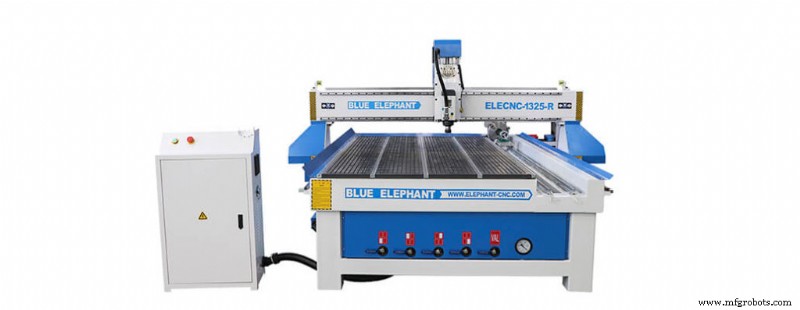
Categories of Wood Design Machines
Based on application, wood design machines are typically divided into four types:
- Wooden door engraving machine
- Furniture engraving machine
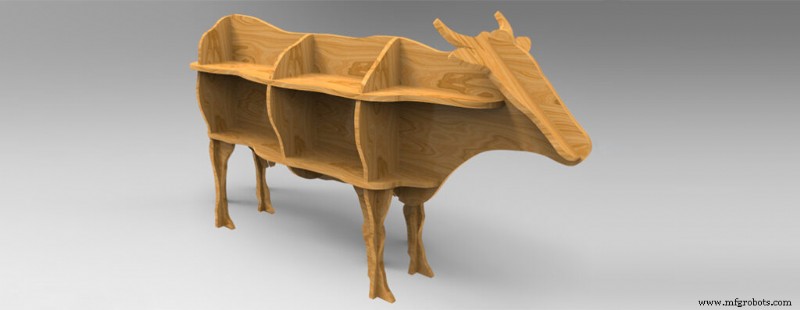
- Handicraft (relief) engraving machine
- Wood carving machine
The wooden door engraving machine is specifically built for processing wood door, cabinet door, and closet door industries. It usually features a vacuum‑adhered table to accommodate frequent loading and unloading.
The furniture engraving machine serves modern, European‑style, antique, and office furniture production. To boost throughput, it is commonly equipped with multiple spindle motors.
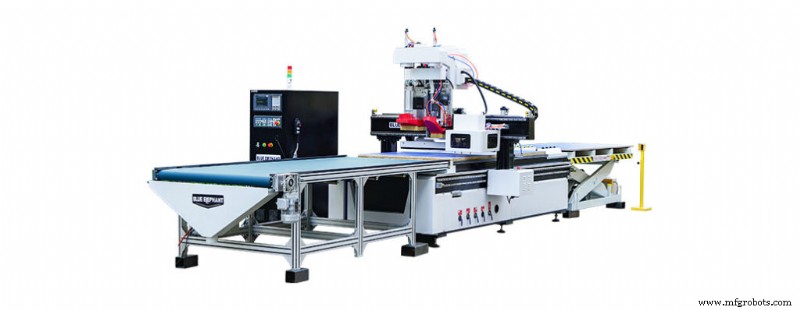
Handicraft Engraving Machine
Also called a relief engraving machine, it typically incorporates multiple spindles to lower costs and increase efficiency.
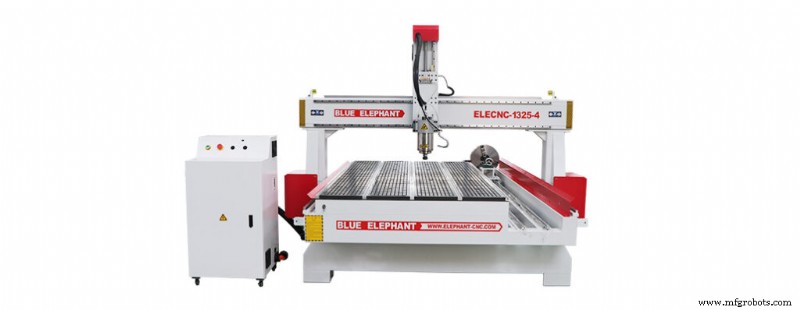
Finally, the wood carving machine – exemplified by the 1325 model – offers a standard configuration with optional upgrades tailored to specific user needs, making it ideal for the decoration industry.
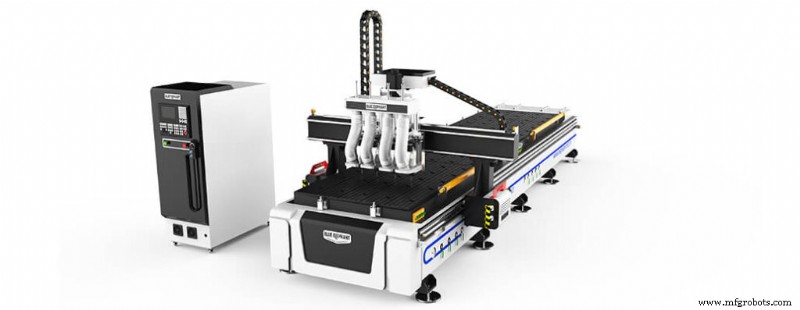
CNC Router 1325 Multi‑Process
Advantages of a Wood Design Machine
1. Linear guide rails provide precise motion control. The pre‑tensioned slider eliminates backlash, and the high‑rigidity frame ensures stable, accurate processing with minimal vibration.
2. Optimized for panel work – Ideal for woodworking furniture, handicraft, and advertising sign production.
3. Integrated 3‑D scanning captures complex templates quickly and converts them into editable data curves.
4. 4‑axis and 5‑axis kits allow simultaneous processing of four or five workpieces, perfect for mass production and streamlined operation.
Typical Wood Design Projects
Wood design machines excel in CNC wood router projects such as doors, windows, cabinets, craft wood doors, paint‑free doors, screens, fan windows, wave plates, and furniture. They also find applications in musical instruments, advertising, decoration, and building model industries.
Wooden Door & Furniture Decoration
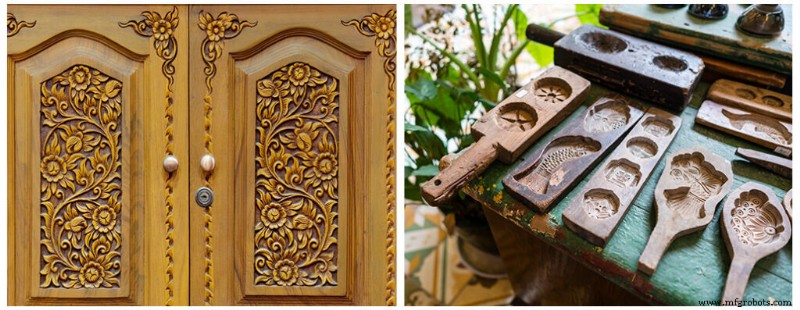
Used for solid‑wood and composite doors, cabinet doors, large‑plate carving, solid‑wood carving, panel furniture carving, antique mahogany carving, and art murals.
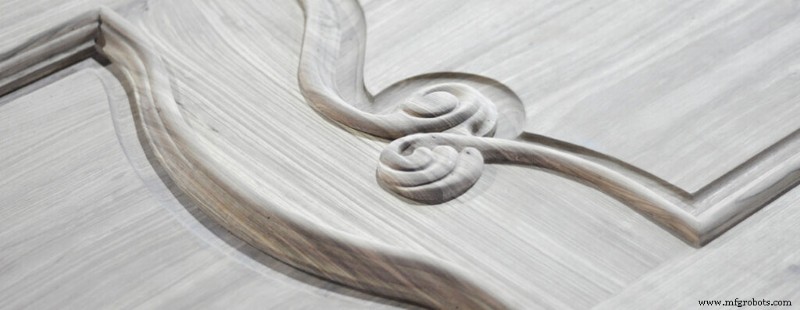
Cabinet and Closet Door Processing
High‑volume CNC routers reduce costs and boost output for drawers, shelves, and table boards in various sizes.
Chairs, Sofa Legs, and Stair Handrails
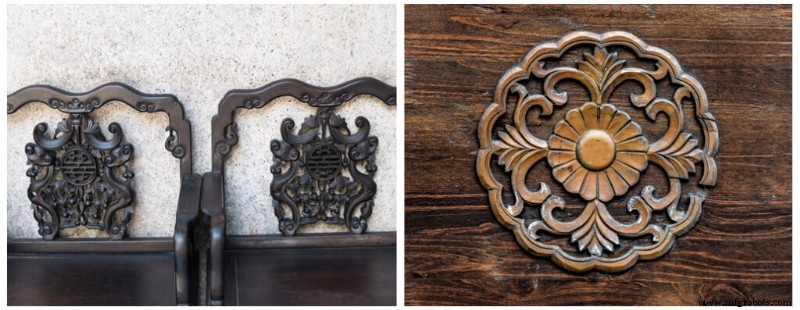
Beyond flat engraving, CNC routers enable 3‑D chair design and rapid prototyping. Digital curve models in 3‑D format allow on‑computer adjustments to meet customer specifications.
Musical Instrument Production
The 3‑D wood carving function is vital for crafting instrument fronts, scrolls, and fingerboards. Many manufacturers rely on CNC routers for violins, cellos, and other stringed instruments.
3D Wood Carving Machine
Wooden Crafts Processing
Applications include clock and watch frames, photo frames, thin aluminum plate engraving, electric appliance cabinet boards, and sports goods.
Advertising & Decoration
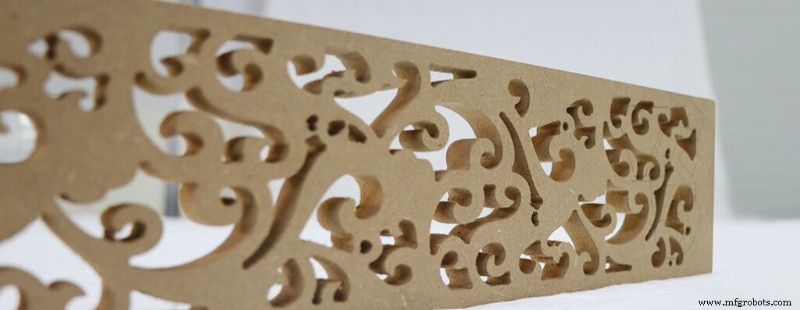
In the advertising sector, CNC wood routers serve as design cutting machines for acrylic, aluminum‑plastic panels, decorative materials, and MDF boards.
EVA Processing
The machine also cuts and engraves EVA materials used in packaging tools, medical packaging, and electronics.
Factors Influencing Wood Design Machine Pricing
Pricing is affected by raw material costs, machine configuration, and labor expenses across regions. Key determinants include:
Brand Reputation
Established brands invest in quality assurance, performance, and after‑sales service, which justifies premium pricing. Customers benefit from higher reliability and support.
Machine Configuration
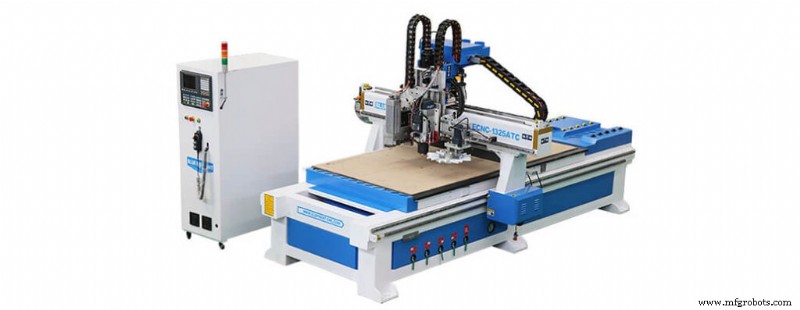
Different models and options – such as motor type, spindle power, and tool capacity – lead to price variations. For instance, servo motors provide faster start‑up and higher torque than stepper motors, justifying a higher cost but offering superior performance for high‑volume operations.
Purchase Channel
Online procurement often reduces operating costs and can yield better pricing than local dealerships. However, buyers should prioritize quality and service over the lowest price.
What to Consider When Buying a Wood Design Machine
Choosing the right CNC router involves evaluating size, function, axis count, and automation level. Four critical aspects to review are:
1. Project Requirements
Assess current and future production needs: material types, part size, complexity, required accuracy, and the balance between speed and cost.
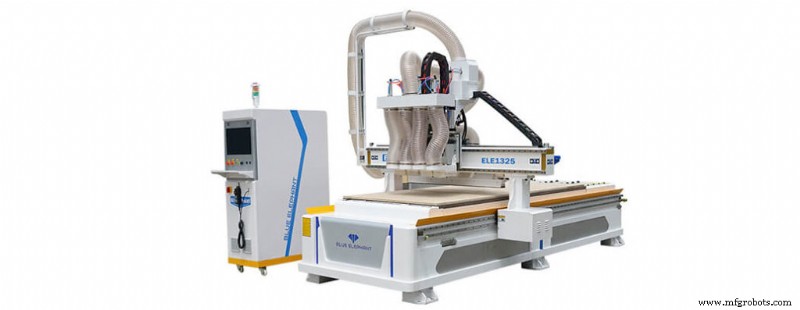
2. Appropriate Machine Type
Select a model that aligns with your typical workpieces, cycle times, and tool‑change logistics. Factors include:
- Part dimensions and materials
- Batch size and turnaround time
- Workspace and table size
- Fixture dimensions and operation count per cycle
- Tool capacity and spindle power
- Compatibility with CAM software
- Number of machining axes needed for complexity
- Tool durability and service life
3. Price vs. Performance
Balance budget with required output. While lower‑cost models are attractive, they may lack the speed or precision your business demands. Compare multiple suppliers to find the best fit.
4. Spare Parts & Maintenance Costs
Consider long‑term operating costs. Cheaper machines may incur higher replacement and repair expenses due to lower component quality, potentially negating upfront savings.
Conclusion
A wood design machine empowers you to create intricate designs on a computer and execute precise engraving, carving, and cutting. By expanding your product line and improving quality, it delivers tangible business benefits. Blue Elephant offers a full range of CNC routers, from basic models to advanced multi‑axis systems, and can tailor solutions to your exact needs.
To learn more about our wood design machines or to discuss a custom solution, contact us or leave a message.
CNC Machine
- Laser Welding vs TIG Welding: Key Differences & How to Choose
- High-Precision Tool Holders for Titanium Implant Milling – Accuracy & Reliability
- CNC Milling Arc Example: Using G2 with I & J Parameters
- Top 4 CNC-Produced Automotive Parts: Innovation and Excellence
- Siemens Sinumerik 4‑Axis Milling Program: A Practical CNC Example
- CNC Milling Explained: Precision Parts Manufacturing
- Expert Rotation Techniques for Heidenhain CNC Programming
- Laser Cutting Machine Costs: A Clear Guide for Smart Investment
- Maximize CNC Machining Efficiency with Advanced Dynamic Toolpath Strategies
- Precision CNC Machining: Professional Guide to Production Steps