



Conveyor Belt Splicing Explained: Key Techniques & Best Practices
Conveyor belts have been around for decades and they are at the heart of material handling across industries such as quarries and mines, construction, manufacturing among others. This material handling system performs a crucial role in conveying bulk materials including grain, salt, coal, ore, and sand. Being a critical component in heavy-duty industries, conveyor belts must perform optimally all the time without failure. As minimal downtime and maximum output has become a top priority for various manufacturers, and thus, maintenance of individual conveyor parts is of utmost importance. A critical area of importance on any conveyor system is its splices. The operational reliability and functionality of a conveyor belt is determined by the quality of its splices. However, all splices wear over time and nearly 80 percent of all conveyor belt failures are due to improper splicing. This is here, the importance of conveyor belt splicing arises. What is conveyor belt splicing and what are the conveyor belt splicing methods popular today?
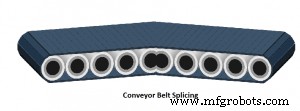
What is Conveyor Belt Splicing?
Conveyor belt splicing, as simply defined, involves the process of joining two trimmed ends of a conveyor belt to regain overall belt performance and longevity. The process is usually performed in case of new installation, refurbishing programs, maintenance, or during repair.
Know About Two Popular Conveyor Belt Splicing Methods
Conveyor belt splicing is performed utilizing several chemical or mechanical procedures. The following are the two popular conveyor belt splicing methods in use today:
- Mechanical Splicing: Mechanical splicing is a versatile solution that makes use of a mechanical fastener system to make reliable joints. Ideal for all types of belts of any width, thickness, length, speed, and tension, mechanical splicing technique is ideal for any type of belt. Compared to other splicing methods, mechanical fasteners can be installed quickly in a few minutes using a hammer, or with a modified installation tool with electric or air power source. Mechanical splicing helps reduce the belt waste and is ideal for both new and older, worn belts. You can perform mechanical conveyor belt splicing anywhere without preparation as it is not affected by temperature, shelf life, residue, or moisture levels. In case if you opt for mechanical splicing, then ensure to get the job done by an experienced hand who is knowledgeable to identify the correct fastener type for the application. This is imperative to ensure maximum splice life and performance.
- Vulcanization: This is a complex procedure that is performed using heat and/or chemicals. The process not only requires specific temperature, compression and equipment dwell time but also needs special tools, expertise, and a clean and controlled environment, unlike mechanical splicing process. The entire process for the vulcanizing of a belt takes several hours, whilst also requiring meticulous preparation before the process.The vulcanization process is not usually preferred if the belt is old, dirty or unevenly worn. Typically, more durable than a mechanical splice, vulcanization splicing is usually conducted by personnel with an in-depth knowledge of solvents, bonding materials and other cover and fill materials. There are two types of vulcanization and as follow:
- Hot Vulcanization: In this method, the splices are created using heat and pressure in heated presses. This splicing method is effective, but time-consuming and is suitable for all types of belts of different thickness and widths. This method of belt fabrication creates strong, long-lasting splices compared to other techniques of belt splicing.
- Cold Vulcanization: Cold vulcanization is a reliable joining technique wherein chemicals are utilized to splice the rubber ends. The process requires reliable hand tools and high-quality bonding agents.
Both these conveyor belt splicing methods involve several complicated steps, so they must be performed by a skilled worker. The service provider who is executing the splicing procedure must be able to explain the pros and cons of each splicing method and also must be able to identify the type of splicing method right for the belt conveyor. Moreover, when you are looking out to buy used conveyor belts, make sure that the splicing is in good condition. To be on a safer side, procure such unused or a used surplus conveyor belt from a trusted source like JM industrial, who offers optimum quality used conveyor belts for material handling.
Industrial Scrubbers Explained: Key Solutions for Effective Pollution Control Understanding Cavitation in Hydraulic Pumps & Proven Prevention Techniques
Industrial equipment
- 8 Essential Conveyor Belt Types & Their Ideal Applications
- Investment Casting Explained: History, Process, and Modern Techniques
- Conveyor Handling: Essential Dos & Don’ts for Optimal Performance
- Smart Manufacturing: Definition, Benefits, and Implementation
- Terotechnology Explained: Definition, Goals, and Business Benefits
- Underground Mining Explained: Methods, Applications, and Best Practices
- Graphene: The Ultra‑Strong, Ultra‑Conductive Carbon Layer Changing Technology
- S8050 Transistor Explained: Applications & Features
- Understanding the Cost of Underground Conveyor Systems
- Maximizing Conveyor Component Longevity: Expert Tips for Mining Operations