



What Is Coding? A Practical Guide to Languages, Workflows, and Common Challenges
In today’s digital world, coding—or programming—is the backbone of everything from smartphones to smart homes. Every feature you enjoy, every app you use, and every device you own relies on code written by developers, programmers, and engineers. This article offers a clear, expert overview of what coding really is, the languages that dominate the industry, how code translates into machine actions, and the best ways to sharpen your skills.
Definition of Coding
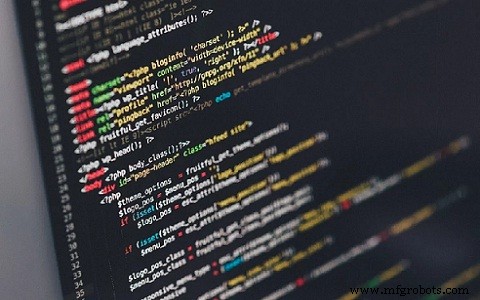
What is coding? Coding is the art of writing instructions in a programming language that a computer can execute. It transforms human ideas into software, websites, apps, and automated systems that power our everyday lives.
Popular Programming Languages
Today’s developers work with a variety of languages, each suited to specific tasks. The most widely used include:
- JavaScript
- Python
- SQL
- PHP
- Ruby
- C
- C++
- Visual Basic
- C#
- Java
- Objective‑C
- Perl
How Coding Translates into Action
At the lowest level, a computer speaks in binary—0s and 1s. High‑level languages allow developers to write readable commands that a compiler or interpreter then converts into machine code. This translation layer saves time and reduces errors, enabling programmers to focus on solving business problems rather than hardware details.
Learning Through Challenge Sites
Hands‑on practice is essential for mastering coding concepts. The following platforms offer structured challenges, from algorithm puzzles to real‑world projects:
- TopCoder – competitive programming tournaments
- CodinGame – game‑based coding challenges
- SPOJ – extensive problem archive
- Coderbyte – interview‑ready exercises
- LeetCode – data‑structure & algorithm practice
- Codewars – kata for skill progression
- Project Euler – mathematical problem solving
- Exercism.io – mentorship‑driven learning
- CodeChef – coding contests & practice
- HackerRank – interview preparation & certifications
The Role of Coding Standards
Adhering to coding standards ensures software is secure, reliable, and maintainable. Standards cover:
- Consistent indentation and naming conventions
- Clear module headers and documentation
- Defined error‑handling patterns
- Avoidance of discouraged constructs (e.g., GOTO)
- Modular, well‑commented code that is easy to test
Key Characteristics of a Strong Language
- Readable syntax that is easy to learn
- Comprehensive IDE support
- Consistent semantics and robust error handling
- Extensive tooling for debugging, testing, and deployment
Frequently Asked Questions
1. What is coding? Writing instructions in a programming language to direct a computer.
2. Why is coding essential? It bridges human intent and machine execution, powering technology across industries.
3. Which languages should I learn first? Python, JavaScript, Java, C/C++, and Ruby are widely used and beginner‑friendly.
4. What coding domains exist? Feature development, infrastructure automation, and reliability engineering.
5. How does coding facilitate communication? It translates data—text, images, signals—into machine‑readable formats.
Embedded
- How Distance Sensors Work and Their Key Applications
- Sony IMX586 Camera Sensor: How It Works & Key Features
- Understanding Load Cells: How Weight Sensors Work and Their Key Specifications
- Understanding the AD8232 ECG Sensor: Functionality and Applications
- HC‑SR04 Ultrasonic Sensor: How It Works and Key Applications
- Embedded System Programming: Languages, Architecture, and Applications
- Interrupts Explained: Types, Mechanisms, and Applications in Modern Computing
- Investment Casting Explained: History, Process, and Modern Techniques
- Understanding PID Controllers: Types, Operation, and Industrial Applications
- Graphene: The Ultra‑Strong, Ultra‑Conductive Carbon Layer Changing Technology