



Understanding Plastic Resin: Composition, Production, and Applications
Plastic resins are made by heating hydrocarbons in what is known as the "cracking process." The goal here is to break down the larger molecules into ethylene, propylene, and other types of hydrocarbons. The amount of ethylene produced depends on the cracking temperature.
Once the cracking process has been completed, the compounds are formed into chains that are known as polymers. Different polymers are combined to make plastic resins that have the characteristics needed for different applications. Once the plastic resins have been formed, they are used to make many different kinds of products.

The appropriate type of plastic resin is selected to make the particular type of product needed. Some plastics are filled with products that are hot when packaged, such as those used in some food plants. Others are used for chemical products, and would need to have different properties.
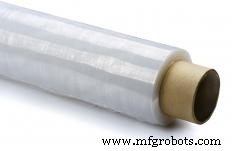
One type of plastic resin, known as polyethylene terephthalate, is used to make products like soft drink bottles, bottles, and waste containers. High-density Polyethylene is used to make milk jugs, bottles for vitamins, and film containers. The plastic wrap that you use in your home to keep food fresh is made from vinyl/polyvinyl chloride. Plastic bags, garment bags, and netting is manufactured from low-density polyethylene.

Many products that are familiar to us are made from thermoplastics. This is a very versatile material that softens when heated. It can then be molded into various shapes. Colors may be added as desired, depending on the application. Other additives are used to make the product resistant to damage from heat, light, or bacteria.
Thermoplastics are a popular choice for food packaging materials, since they can be molded into a variety of shapes at a relatively low cost. When you pick up a milk jug or a soft drink bottle, you are seeing an example of a product made from thermoplastics. Other applications for plastic resins include fibers used to make carpets, bumpers on vehicles, and microwavable containers. Instrument panels on the inside of cars, wall paper, and credit cards are also made from this material.
Even though plastic resin can be used to make many products that we use every day, many people are not getting the message that they can be recycled. Only about half of plastic resin products are used to make other products. The rest of them end up in the garbage, which is not good news for the environment.
Industrial equipment
- Plastic Demystified: An Expert FAQ on Definition, Materials, and Applications
- How to Identify the Type of Plastic in Your Everyday Items
- Resin 3D Printers Explained: UV Light‑Cured Technology for High‑Precision, Smooth Prints
- Understanding Polymer Resin: Properties and Applications
- PVC Resin Explained: Key Properties and Applications
- Understanding Resin Adhesives: Composition, Uses, and Benefits
- Synthetic Resin Explained: Properties, Uses, and Benefits
- Understanding Resin: Types, Uses, and Everyday Applications
- Natural Resin: Definition, History, and Modern Applications
- Understanding Resin 3D Printing: Process, Applications, and Benefits