



How to Identify the Type of Plastic in Your Everyday Items
How to Identify the Type of Plastic in Your Everyday Items
Knowing what plastic your object is made from helps you recycle correctly and avoid harmful chemicals. Below are three reliable, industry‑approved methods to determine a plastic’s identity.
1. Resin Identification Code (RIC)
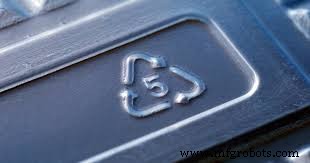
The Resin Identification Code, introduced by the Society of the Plastics Industry (SPI) in 1988, is the most common visual cue. Codes 1–7 represent the seven major thermoplastic families:
- #1 PET / PETE – Polyethylene terephthalate (e.g., soda bottles)
- #2 HDPE – High‑density polyethylene (e.g., milk jugs, trash bags)
- #3 PVC – Polyvinyl chloride (e.g., pipes, vinyl siding)
- #4 LDPE – Low‑density polyethylene (e.g., plastic bags, food wraps)
- #5 PP – Polypropylene (e.g., yogurt containers, bottle caps)
- #6 PS – Polystyrene (e.g., Styrofoam cups, disposable plates)
- #7 Miscellaneous – Includes polycarbonate, nylon, ABS, acrylic, PLA, etc.
Example: A labeled container with a “5” is polypropylene, while a typical Styrofoam cup bears a “6” at its base.
2. Burn Test (Use Caution)
Burn testing reveals a plastic’s combustion profile, but it should only be performed in a well‑ventilated, industrial setting due to toxic fumes. When a sample is heated with a lighter, observe the odor, flame color, dripping, and floating behavior. Refer to the table below for key indicators.
| Material | Odor | Flame Color | Drips? | Float? |
|---|---|---|---|---|
| ABS | Acrid, black smoke with soot | Orange | No | No |
| PETE / PET | Light smoke | Yellow | Yes | Yes |
| PTFE | Burnt‑hair scent | — | No | No |
| Nylon | Burnt wool or hair | Blue, yellow tip | Yes | No |
| Polycarbonate | Faint sweet aroma, black smoke with soot | Orange | Yes | No |
| Polyethylene | Candle wax | Blue, yellow tip | Yes | Yes |
| Polypropylene | Sweet odor | Blue, yellow tip | No | Yes |
| Polystyrene | Gas odor (naphtha) | Yellow, black smoke | Yes | No |
| PVC | Hydrochloric acid | Yellow with green spurts | No | No |
| Polyesters | Hydrochloric acid | Yellow | No | No |
3. Float or Sink Test
Density dictates whether a plastic will float. Plastics with a density lower than water (1.00 g/mL) will float; those above will sink. The following density ranges are typical:
- Float: HDPE (0.95–0.96), LDPE (0.92–0.94), PP (0.90–0.91)
- Sink: PETE (1.38–1.39), PVC (1.16–1.35), PS (1.05–1.07), Nylon (1.14), Polycarbonate (1.20), Acrylic (1.15)
Why it matters: The Great Pacific Garbage Patch is dominated by floating HDPE, LDPE, and PP debris. PET bottles and PS foam often sink, ending up in the ocean floor.
Is It Nylon?
Look for a burnt‑wool smell, blue flame with a yellow tip, and molten droplets that stop when the flame is removed. A nylon sample will also sink due to its higher density.

For deeper insight, read our detailed guide on plastic types published on 10/15/21: our blog dated 10/15/21.
Resin
- Overmolding Explained: Benefits for Manufacturers & Why It Matters
- Understanding AS9100: The Aerospace Quality Management Standard
- Plastic Demystified: An Expert FAQ on Definition, Materials, and Applications
- Top 3 Plastic Engineering Innovations of the Week
- Plastic Wear: Causes, Mechanisms, and How to Design for Durability
- Choosing Between Plastic and Metal: Expert Insights for Optimal Material Selection
- Optimal Methods for Bonding Metal to Plastic: A Technical Guide
- Understanding Plastic Extrusion: Your Complete Process Guide
- Understanding Plastic Resin: Composition, Production, and Applications
- Understanding Saw Tools: Types, Functions, and Applications