



Understanding Polymer Resin: Properties and Applications

Polymer resin is a clear liquid plastic product that hardens to create a thick, durable, glossy coating. Once hardened, it is fade-proof and water-resistant. This type of resin is commonly used on furniture to seal finishes and create a durable, glass-like surface, and it's also used in many other arts and crafts when the artist wants a thick, glossy coating.
A liquid plastic resin and a liquid catalyst are the two parts of a polymer resin. The liquid resin is activated by the catalyst, which begins the hardening process. The user mixes the two parts, usually in equal measure, for a certain period of time until they are thoroughly combined. It is normal for the resin to heat up during the mixing process because of the chemical reaction between the resin and the catalyst. Once mixed, the liquid can be poured over the surface that the user wishes to coat. In liquid form, the resin is self-leveling, which means that it flows and forms a level surface as it hardens.
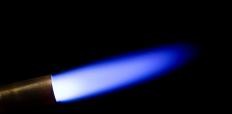
Once the resin is poured, it begins to harden or cure. Curing is the term for the chemical reaction within the resin that allows it to go from a liquid to a solid form. While it's curing, bubbles may form, but they can be removed with heat. For small projects, a hot breath can bring the bubbles to the surface where they will naturally pop. For larger surface areas, running a blowtorch lightly over the top of the resin will heat it enough to allow bubbles to rise.
Depending on the brand, polymer resin can take anywhere from 48 hours to 72 hours to fully cure. While curing, it is a good idea for users to cover their projects so that dust does not fall into the liquid and become trapped, marring the glossy finish. Small projects should not be handled during curing because fingerprints will stay in the resin while it is still soft.
Once the resin has cured completely, it can be cleaned normally using water and some mild soap on a damp cloth. Harsh chemicals or abrasives should not be used to clean the resin after it has hardened because they could damage the surface. Minor scratches on the surface can be rubbed away; the heat of friction causes the scratched resin to melt slightly and flow back into an unbroken surface.
Polymer Resin Examples
Polymer resins come in a wide range of formulas. Each unique composition offers unique benefits. Manufacturers develop or choose them carefully for their properties. These synthetic resins work best in specific applications and products.
Acrylic Resin
Acrylic resins fall into two general categories: thermoplastic or thermosetting. Made from acrylic, methacrylic or similarly composed acids, these resins offer superb tensile strength plus UV radiation and impact resistance.
Alkyd Resin
Alkyd resins are created by heating sugar alcohols with polybasic acids, which can supply more than one hydrogen ion when dissolved in water. These resins provide excellent chemical resistance plus good thermal and electrical properties.
Epoxy Resin
Epoxy resins are active prepolymers and polymers with epoxides, a class of monomers that have a ring structure and link an oxygen atom with two carbon atoms on a nearby hydrocarbon. With chemical and heat resistance plus strong adhesion capabilities, epoxy resins have a wide range of commercial uses.
Phenolic Resin
Phenolic resins are produced by polymerizing a phenol, also known as carbolic acid, with some type of formaldehyde. Strength plus heat and impact resistance are some of their key benefits. They're also resistant to moisture penetration and chemical corrosion.
Polyamide Resin
Strong and lightweight, polyamide resins include amides that contain carbonyl groups bonded to nitrogen atoms. Polyamide resins tend to have repeating amide groups in their molecular chains. They're favored for their chemical and abrasion resistance.
Polycarbonate Resin
Classified as thermoplastics, polycarbonate resins come from bisphenol A, otherwise known as BPA, and phosgene, a colorless gas that combines carbon and oxygen with two atoms of chlorine. They offer several useful properties: filtration and staining resistance plus electrical and thermal dimensional stability.
Polyester Resin
Polyester resins are formed by blending sugar alcohols with dibasic organic acids, which can contribute two positively charged hydrogen ions when combined with a base. These resins are among the most commonly used in manufacturing because of their heat, flame and chemical resistance plus their flexibility.
Polyethylene Resin
Polyethylene resin is used in producing a wide variety of thermoplastic products from plastic bags and water bottles to toys and tubing. This resin is among the most common types and offers flexibility plus steam, chemical and moisture resistance.
Polypropylene Resin
Polypropylene resin contains monomers of propylene, a colorless gas that's normally used for fuel. This thermoplastic has several useful properties, including good heat and chemical resistance. Since it does not contain BPA, it's a popular choice for medical equipment, toys, electronic components and tubing.
Polystyrene Resin
Polystyrene is composed of styrene monomers and is an aromatic hydrocarbon polymer. By itself, styrene is a derivative of benzene that appears as an oily colorless liquid. Polystyrene resin is another popular material thanks to its ease of production and lower costs. It also resists salts, acids and alkali substances. You'll find it in pipes, foams, synthetic rubbers and automotive accessories.
Polyurethane Resin
Polyurethane resin is composed of polyol, an organic compound that's a form of sugar alcohol and isocyanate, a reactive substance that's commonly found in thermoplastic production. Elasticity, adhesion and durability make this resin a prized material in the production of foam liners, adhesives and insulation.
Silicone Resin
Silicone resins are favored for their oxidative and thermal stability, plus they're also water-repellant and flexible. These resins can also create hard films, thanks to their three-dimensional network structure created by their chemical bonds. They're common choices for synthetic rubbers, laminates and water-repellant objects.
Is Polymer and Resin the Same Thing?
All resins are polymers, but not all polymers are resins. To understand the two terms relate to each other, we should examine their definitions. Polymers are large molecules comprised of chemical building blocks known as monomers. These monomers can be single atoms, complex molecular structures or anything in between.
Polymers, especially synthetically created compounds, can be enormous and complex with repeating components. Examples of common synthetic polymers include plastics and nylon. Natural polymers, on the other hand, have monomer components with many different elements and structures. Keratin and silk are two kinds of naturally occurring polymers.
Like polymers, resins can also be naturally or synthetically produced. These viscous liquid compounds can either be oil-soluble or spirit-soluble, which means they can be dissolved in alcohol or similar organic solvents.
Is Polymer Resin the Same as Polyester Resin?
"Polymer resin" is a broad category that can include both natural and synthetic substances. Meanwhile, polyester resin is a specific kind of synthetic substance. All resins are polymers, but not all polymer resins contain polyester.
Industrial equipment
- Resin 3D Printers Explained: UV Light‑Cured Technology for High‑Precision, Smooth Prints
- Understanding Plastic Resin: Composition, Production, and Applications
- Polymer Adhesives: Definition, Properties, and Industrial Applications
- Understanding Polyvinyl Acetate (PVA): Properties, Uses, and Benefits
- PVC Resin Explained: Key Properties and Applications
- Liquid Wood: A Sustainable, Biodegradable Thermoplastic Alternative
- Understanding Resin Adhesives: Composition, Uses, and Benefits
- Synthetic Resin Explained: Properties, Uses, and Benefits
- Understanding Resin: Types, Uses, and Everyday Applications
- Understanding Resin 3D Printing: Process, Applications, and Benefits