



Natural Resin: Definition, History, and Modern Applications
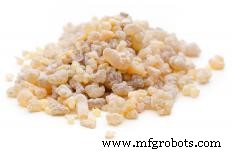
Natural resin is a resin product which comes from a plant, in contrast with synthetic resin, which is made through chemical synthesis. Natural resins have been used in various human cultures for thousands of years; one notable example of an ancient use of resin can be seen in Egypt, where resin was used in the preparation of mummified bodies. Natural resins continue to be used today for a wide range of applications which stretch from perfume to the treatment of the bows for instruments such as violins and cellos.
A few distinguishing features define a natural resin. The first is the fact that it starts out in a sticky, slightly gummy state, and hardens over time. The second is that it is soluble in alcohol and related compounds, but not in water. This is what makes resins so useful; they can be heated or processed in alcohol to soften them, applied to something, and allowed to dry. Once dry, the resin will not admit water intrusion.
Resin is produced naturally by many plants as a self-defense and healing mechanism. Resins have a hydrocarbon base, and often contain terpenes, which gives them a sharp odor. They can contain other compounds as well. When fresh, resins are gummy, sticky, and soft. Over time, they harden up. This hardening is what makes them useful to humans, as resin is hard enough to be used in varnishes, paints, sealants, lacquers, and adhesives, among other things.
Basic natural resin is sometimes treated to remove the terpenes, in which case it is known as rosin. Rosin is the form of natural resin used to treat bow strings. Some resins stay soft, in a form known as gum resins or oleoresins. Gum resins blend the traits of a gum and a resin, and oleoresins can have aromatic compounds which lead them to be classified as balsams.

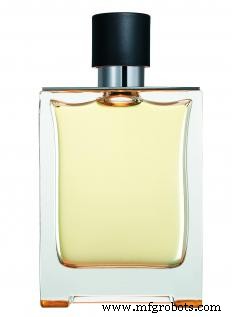
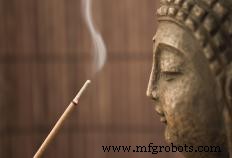
Soft natural resin is used in perfume and incense. Frankincense is an example of a well-known soft resin which famously appears in the Bible. This aromatic resin has been used in perfumes and incense in the Middle East for a very long time, as have many other balsams. Balsams from around the world also sometimes show up in personal care products, where they may be viewed as therapeutic, or simply for their strong scent.
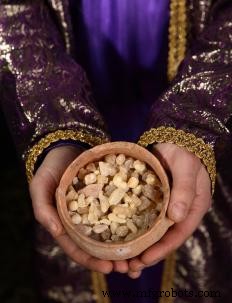
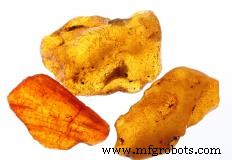
Sometimes, natural resin becomes fossilized, creating amber. This cured and fully hardened form of resin can be cut and polished to make a glowing translucent stone which can range in color from pale yellow to deep orange. Amber is believed by some cultures to have medicinal or therapeutic qualities.
Industrial equipment
- Polyester Resins: Essential Guide for Composite Applications
- Resin 3D Printers Explained: UV Light‑Cured Technology for High‑Precision, Smooth Prints
- Understanding Plastic Resin: Composition, Production, and Applications
- Understanding Polymer Resin: Properties and Applications
- Understanding Phenolic Materials: Types, Uses, and Benefits
- PVC Resin Explained: Key Properties and Applications
- Understanding Resin Adhesives: Composition, Uses, and Benefits
- Synthetic Resin Explained: Properties, Uses, and Benefits
- Understanding Resin: Types, Uses, and Everyday Applications
- Understanding Resin 3D Printing: Process, Applications, and Benefits