



Understanding Branch Circuits: Function, Types, and Importance
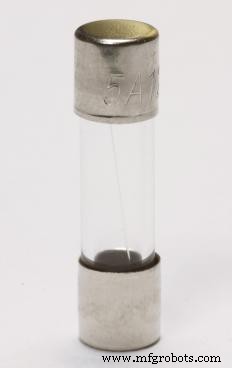
A circuit is made up of wire connecting a power source to fuses, switches, and a load. The load is the device that consumes the energy flowing through the circuit, such as the light bulb in a lamp. A branch circuit is a particular type of circuit that runs from a circuit breaker panel to devices in a building. Branch circuits are classified as either general purpose, appliance, or individual circuits depending on their function.
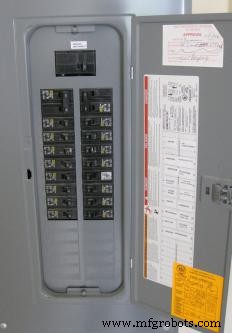
Any building wired for electricity has a circuit breaker panel. This panel is usually a metal box or cupboard filled with switches and set into the wall. Each switch is connected to an electrical circuit in the home and can cut power to that circuit if it is turned off. A branch circuit runs from each switch to the receptacles, light fixtures, and appliances in the building.
The purpose of a branch circuit is to supply power to the electrical devices in the home. Each one consists of a loop of wire that runs from the circuit breaker panel to the lights and receptacles and back again. They are classified according to their current carrying capacity and the type of devices they serve.
A general purpose branch circuit is a 120-volt circuit that supplies power to light fixtures and outlets. Modern general circuits use 12-gauge wire and are rated for a maximum of 20 amperes (amps). Amps refers to the amount of electrical charge passing through any given point in the circuit over a unit of time. In older buildings, 14-gauge wire was used to construct branch circuits rated for no more than 15 amps. Fifteen amps is no longer considered sufficient for most homes.

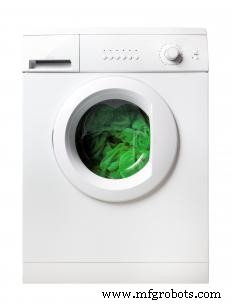
Power is supplied to fixed electrical devices such as refrigerators, washing machines, and dish washers through an appliance branch circuit. Like general purpose circuits, appliance circuits also carry 120 volts and cannot exceed 20 amps. They do not supply power to any type of light fixture.
An individual branch circuit supplies power to a specific device, usually a permanent appliance like a clothes dryer or an electric stove. As the circuit runs to only one device, power to that device can be cut without affecting the electricity supply to the rest of the building. This is useful if there is a fire or if the device needs to have maintenance performed on it. These circuits vary in amperage depending on the appliance they are meant to serve.
Industrial equipment
- Understanding Series-Parallel Circuits: How They Work & Why They Matter
- Network Analysis Explained: Advanced Techniques for Complex Electrical Circuits
- Understanding the Oxygen (O2) Sensor: Role, Placement, and Failure Signs
- Smart Circuit Breakers Explained: Future of Power System Protection
- Understanding Auxiliary Contacts: Function, Types, and Applications
- Voltage Relays Explained: Switching High Currents with Low Control Signals
- Understanding Distribution Boards: Key Functions and Modern Features
- Understanding Reverse Voltage: Causes, Effects, and Safety Tips
- Understanding Feedback Circuits: How Signal Looping Enhances Electrical Stability
- How to Safely Recycle and Repurpose Old Circuit Boards