



Optimal Compressor Performance Starts with Proper Air Dryer Maintenance
Home » Blog » Air Dryer Maintenance is Key to Optimized Compressor Performance
During air compression, moisture is inevitably produced. Wet compressed air introduces rust and contaminants that degrade system performance, reduce air quality, and can lead to equipment failure. Installing a reliable compressed‑air dryer and performing routine maintenance guarantees a dry, efficient system and extends the life of your compressor.
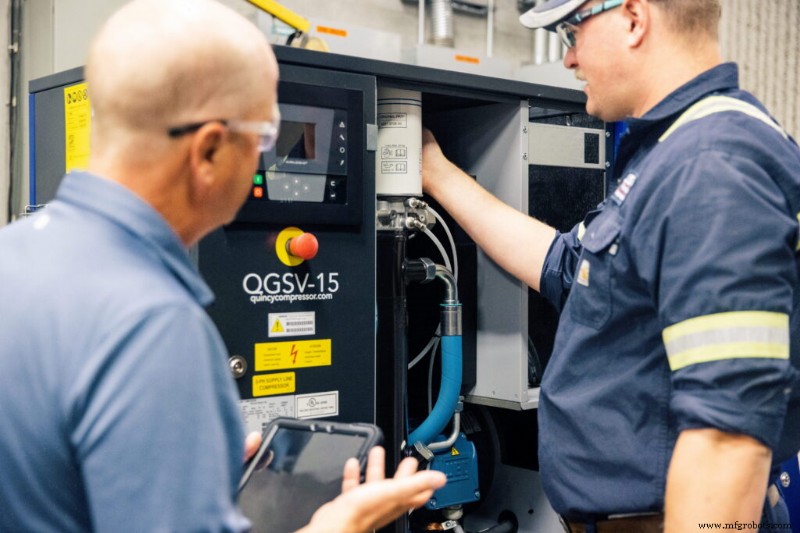
The Importance of Using an Air Dryer for Compressors
Compressors draw in ambient air and, by compressing it, concentrate the moisture already present. As the air cools during compression, the water vapor condenses into liquid droplets that can enter the system, causing:
- Equipment Failure: Moisture‑induced corrosion and rust damage air‑system components and the equipment they power.
- Inefficient Performance: Blockages from rust and contaminants reduce the flow and pressure available to air‑powered tools.
- Product Quality Issues: Moisture carried into the manufacturing process contaminates finished goods.
Air dryers remove moisture from compressed air, protecting both the system and the products it serves.
Compressed Air Dryer Types
Proper maintenance depends on the dryer type. The three common categories are:
Three Types of Air Compressor Air Dryers
- Refrigerated Dryers: The most widely used type. They cool compressed air via heat‑exchanger coils, a refrigerant circuit, and a compressor.
- Desiccant Dryers: Feature a tower filled with desiccant material that attracts and removes water vapor.
- Membrane Dryers: Use selective permeation and a multi‑stage filtration system to separate moisture from the air stream.
Preventive Maintenance for Air Dryers
Each dryer type requires a tailored maintenance routine.
General Preventive Maintenance for Refrigerated Air Dryers
- Check Filters: Inspect pre‑line filter elements and automatic drains for dirt, dust, or debris. Replace clogged filters and repair or replace faulty drains.
- Inspect Refrigerant Leaks: Verify suction pressure gauges are within the manufacturer’s specified range. A drop indicates a refrigerant loss that must be corrected.
- Confirm Drain Operation: Ensure the automatic drain functions so condensate is removed. Clean or repair any valves or strainers that have become clogged.
- Monitor Chiller Temperature: Use the digital readout to confirm the dryer’s chiller temperature. A fault code signals a refrigeration circuit issue requiring professional service.
General Desiccant Air Dryer Preventive Maintenance
- Sample Desiccant: Use the tower ports to check bead color and size. Discoloration or size reduction indicates oil contamination or wear; replace the desiccant.
- Check Dust Filter: Measure pressure drop across the dust filter. A significant drop means the filter cartridge should be replaced; otherwise, replace on a scheduled basis.
- Inspect Prefilters: Verify pre‑line filters are clear; a clogged filter will compromise dryer efficiency.
- Verify Drain Operation: Confirm that drains are removing liquid moisture before it reaches the dryer. Repair any malfunctioning drains.
General Membrane Air Dryer Preventive Maintenance
- Inspect Prefilters: Clear pre‑line filters to maintain flow.
- Confirm Drain Operation: Ensure drains are effective; otherwise, replace or repair.
- Check for Oil Contamination: If the membrane cartridge is oil‑contaminated, replace it immediately.
Troubleshooting Air Dryer Issues
Moisture in the system is a clear sign of dryer malfunction. Follow these steps to pinpoint and resolve the problem.
Insufficient Drying
If the dryer’s effectiveness declines, take these actions:
- Inspect and clean or replace all filters.
- For refrigerated dryers, clean heat‑exchanger coils.
- Repair refrigerant leaks to restore cooling capacity.
- For desiccant dryers, replace saturated or contaminated beads.
Water in Compressed Air
When liquid water appears, check:
- Automatic drains for blockages or failure.
- Dryer sizing; an undersized unit cannot handle the moisture load.
- Ambient temperature; if it exceeds 100 °F, consider a cooler or larger dryer.
- Compressed‑air inlet temperature; values above 100 °F reduce dryer capacity and may indicate after‑cooler or ventilation issues.
Air Dryer Component Lifespan
With proper care, air dryers can serve for many years. Typical lifespans are:
- Refrigerated Dryers: 8–10 years. The refrigerant can last the life of the system if leaks are avoided. Filter elements and drains require regular maintenance.
- Desiccant Dryers: 8–10 years. Desiccant beads should be replaced every 3–5 years, depending on contamination levels. Filters and drains also need routine service; dew‑point monitors must be recalibrated regularly.
- Membrane Dryers: 10–15 years. Replace inlet filters and drains as needed.
Moisture doesn’t have to compromise your equipment or product quality. Contact JHFOSTER, your trusted air‑compression partner. We’ll evaluate your system, recommend the right dryer type and size, and provide expert support and service for all components.
-

Senior Vice President of Compressed Air, Tavoron
Trey Donze, a seasoned leader with over 20 years in the industrial equipment and compressed‑air sector, serves as Senior Vice President of Compressed Air at Tavoron. Previously, he drove multi‑state growth as Vice President of Sales and Operations at Airmatic Compressor Systems and held senior roles at OTC Industrial Technologies, including Director of Sales – Air Supply Group and District Manager. A Qualified Air Master+ Specialist, he holds Lean Six Sigma Foundations and Vistage Leadership Development certifications and has earned multiple industry awards for sales and operational excellence.
View all posts
Industrial equipment
- Choosing New vs. Used Machinery: A Smart Investment Guide
- Precision Machining of Hydraulic Fittings & Adaptors – Diversified Fittings
- July 2018: Top 5 Pre‑Owned Injection Moulding Machines
- Maximize Your Construction Equipment Trade-In Value: Proven Tips
- What Is a Differential? Understanding Its Role, Types, and Maintenance
- Choosing the Right Reducer and Gearbox Gearing for Optimal Conveyor Performance
- What Is a Chain Hoist? | How It Works & Key Benefits
- 9 Essential Winter Maintenance Tips for Construction Equipment
- Understanding Extension Bars: Function, Benefits, and Usage
- ActiveCare Direct vs. CareTrack: Choosing the Ideal Fleet Telematics Solution