



Reciprocating Air Compressors: Design, Performance, and Maintenance Insights
Home » Blog » Reciprocating Air Compressors
Air compressors are the backbone of modern manufacturing, powering everything from pneumatic tools to complex machinery. Among the many options available, reciprocating compressors stand out for their reliability and versatility. In this guide, we dive deep into their anatomy, operation, advantages, and best practices for maintenance.
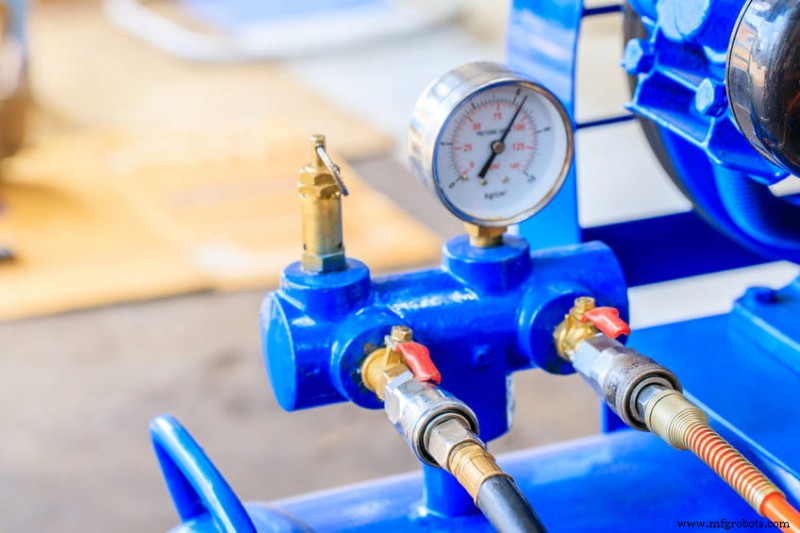
What Are Reciprocating Compressors?
Also known as piston compressors, reciprocating units are positive‑displacement machines that deliver high‑pressure air by physically moving a piston back and forth inside a cylinder. They excel in applications that require bursts of compressed air rather than continuous flow.
Key components:
- Suction Valve: Draws air into the cylinder during the piston’s downward stroke.
- Piston: The heart of the machine; its reciprocating motion compresses the air.
- Compression Chamber: The cylinder where the air is compressed.
- Discharge Valve: Releases the compressed air into the storage tank.
- Storage Tank: Holds the compressed air until demand spikes.
How the Cycle Works
The compressor operates in four fundamental stages:
- Intake: The piston moves down, creating a vacuum that opens the suction valve and draws in fresh air.
- Compression: The piston moves up, closing the suction valve, sealing the chamber, and compressing the air.
- Discharge: Once the air reaches the target pressure, the discharge valve opens and the compressed air is pushed into the tank.
- Cooling & Storage: The air is cooled in the tank before being delivered to the point of use.
These steps repeat continuously, providing a steady stream of compressed air.
Single‑Stage vs. Two‑Stage Compressors
• Single‑Stage: Compresses air in one stroke, suitable for moderate pressures.
• Two‑Stage: Adds an intermediate chamber for a second compression stroke, enabling higher pressures and greater efficiency.
Pros and Cons
| Benefit | Drawback |
|---|---|
| Efficient for intermittent use | Not ideal for continuous operation |
| High pressure output (up to 30,000 psi) | Duty cycle around 50 %—requires cooling periods |
| Oil‑lubricated or oil‑free options available | Generates significant noise |
| Lower upfront cost than many alternatives | May need more frequent overhauls than rotary screw units |
Reciprocating vs. Rotary Screw Compressors
Choosing the right compressor depends on your air demand profile. Reciprocating units shine when you need high pressure but low volume on an intermittent basis, whereas rotary screw compressors excel in continuous‑flow, steady‑demand scenarios.
| Metric | Reciprocating | Rotary Screw |
|---|---|---|
| Duty Cycle | 20–50 % | ≈100 % |
| Flow Consistency | Intermittent | Continuous |
| Noise Level | Higher (piston noise) | Quieter (rotating screws) |
For a deeper comparison, read our full head‑to‑head analysis.
Is a Reciprocating Compressor Right for You?
Ideal when you need bursts of high‑pressure air:
- Spray painting & industrial coating
- Small pneumatic tools (e.g., nail guns)
- Any application where airflow is low but pressure is critical
Can I use it for spray painting?
Absolutely—reciprocating compressors provide the consistent high pressure required for spray guns.
Are they suitable for small tools?
Yes, their intermittent output matches the low CFM demands of tools like nail guns.
Why choose a reciprocating over a rotary screw unit?
When high pressure and intermittent flow are key, reciprocating compressors deliver the performance rotary screw units cannot match efficiently.
Routine Maintenance
Adhering to a maintenance schedule extends the life of your unit. Key tasks include:
- Oil Management: Check levels daily or weekly; change oil and filter every 3 months (or per manual).
- Inlet Filter: Inspect weekly; replace at least twice a year to keep air clean.
- Valve Inspection: Verify suction and discharge valves for wear or restrictions.
- Moisture Prevention: Keep drain valves operational; manually drain condensate daily if automatic valves fail.
Troubleshooting Common Issues
- Overheating: Check for restricted intake or valve faults.
- Excessive vibration: Inspect for loose components or frame misalignment.
- Noise: Normal piston noise is expected; however, knocking or grinding may indicate worn bearings.
- Failure to start: Verify power supply, pressure switches, valves, and oil level.
Expert Support from JHFOSTER
JHFOSTER’s team of air‑compression specialists can assess your workflow, recommend the optimal compressor type, and provide ongoing maintenance support. Contact us today to ensure your compressed‑air system is performing at peak efficiency.
-

Senior Vice President of Compressed Air, Tavoron
Trey Donze brings over 20 years of industry experience and holds the Qualified Air Master+ certification. He has led multi‑state growth at Airmatic Compressor Systems and held senior roles at OTC Industrial Technologies. Trey is a Lean Six Sigma Foundations and Vistage Leadership Development certified professional with multiple sales and operational excellence awards.
Industrial equipment
- Mastering ISO 8573‑1: The Definitive Guide to Compressed Air Quality Standards
- How Customer Feedback Shaped Our Next-Gen Hauler Designs
- Tornos Swiss ST26 – Turnkey High‑Performance Turning Center Solutions
- Improve Equipment Efficiency with Smart Hose & Tubing Routing
- Top 7 Crane Functions Every Construction Professional Should Master
- Choosing the Ideal Material for Your Handwheel: A Practical Guide
- Regenerative Thermal Oxidizers: Efficient Pollution Control & Energy Recovery
- Ensuring Compressor Longevity: Expert Guide to Condensate Collection and Removal
- Fast, Accurate CNC Turning & Milling Centers Cut Production Time
- Understanding Long‑Run Publications: Definitions, Impact, and Economic Insights