



When to Replace Your Mining Conveyor Belt Drive: Key Warning Signs and Maintenance Tips
Posted on August 29, 2025 by admin
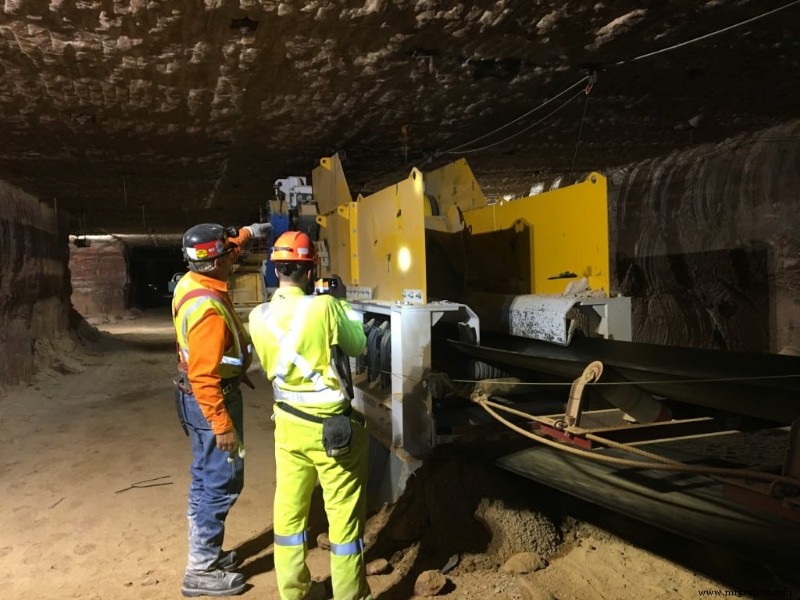
The belt drive is the heart of your mining conveyor, delivering the torque and stability required to move heavy loads continuously. Over time, the harsh mining environment—heat, dust, moisture, and vibration—takes its toll. Spotting early warning signs can save your operation from costly downtime, unexpected failures, and safety risks.
In this guide we’ll show you when to replace the belt drive, the red flags to watch for, and how to evaluate performance before a costly failure occurs.
WARNING SIGNS THAT YOUR CONVEYOR BELT DRIVE IS DUE FOR REPLACEMENT
Belt drives operate under extreme stress. The symptoms of a failing drive may start subtly but can rapidly worsen if ignored.
1. UNUSUAL NOISES
New or abnormal sounds—such as grinding, whining, clanking, or screeching—often signal:
- Worn bearings
- Misaligned shafts
- Gearbox issues
- Loose or failing components
These noises usually indicate internal wear or imbalance and should be addressed promptly to avoid accelerated failure.
2. BELT SLIPPAGE
Slippage can arise when:
- Belt tension is inconsistent or too low
- Pulley lagging is worn or ineffective
- Drive components are misaligned or damaged
You may notice reduced throughput, pulleys spinning without engaging the belt, or tracking issues that disrupt material flow. Slippage typically points to aging or undersized drive components.
3. OVERHEATING
Heat is a major red flag. Overheating can result from:
- Inadequate ventilation
- Excess friction
- Worn lubrication systems
- Operating beyond rated horsepower
High temperatures accelerate oil degradation, damage internal gears, and precipitate premature failure. A sudden temperature spike during operation warrants immediate investigation.
4. VISIBLE WEAR OR DAMAGE
Physical deterioration such as:
- Cracked housing
- Fraying belts
- Rust or corrosion
- Worn or misaligned shafts
…can compromise structural integrity. Even minor wear increases vibration, reduces efficiency, and can lead to component failure under load.
5. REDUCED PERFORMANCE
Operational indicators of decline include:
- Slower belt speeds or misaligned belts
- Difficulty maintaining torque
- Lower material throughput
- Frequent stoppages or resets
When your drive can no longer deliver consistent power, it’s likely nearing the end of its useful life.
THE COST OF IGNORING BELT DRIVE ISSUES
- Unplanned Downtime: Emergency repairs during peak operation can cost thousands in lost productivity.
- System Failure: A failing drive can cascade damage to pulleys, belts, and structural components.
- Safety Risks: Malfunctioning equipment increases the likelihood of personnel injury.
- Higher Repair Costs: Waiting until failure occurs typically results in more extensive repairs or full system replacement.
- Regulatory Non‑Compliance: Ignoring drive issues in regulated environments can lead to fines or forced shutdowns.
- Decreased Efficiency: Worn drives consume more power for the same output, increasing operating costs and uneven material flow.
Addressing small problems early preserves uptime, protects your investment, and safeguards your team. A proactive maintenance plan allows for scheduled downtime instead of disruptive emergency stops.
HOW TO EVALUATE BELT DRIVE PERFORMANCE
Not every issue requires immediate replacement, but each warrants a thorough performance check. Follow these steps:
- Inspect Regularly: Perform scheduled visual inspections for wear, misalignment, or damage.
- Monitor Throughput: Consistently compare actual production against targets.
- Track Maintenance Frequency: An increase in repair frequency signals aging components.
- Consult OEM Guidelines: Compare actual runtime and conditions against the manufacturer’s rated lifespan.
- Measure Energy Efficiency: Older drives often consume more power for the same performance.
If multiple red flags appear, begin planning for a replacement.
WHY QUALITY MATTERS: CHOOSE THE RIGHT BELT DRIVE FOR MINING
Mining operations demand equipment that can withstand extreme conditions. West River Conveyors specializes in belt drives designed for underground, overland, and portable conveyor systems.
With decades of industry experience, we engineer drives to deliver dependable, long‑term performance in harsh environments.
Our belt drives offer:
- Custom engineering to match belt width, load, torque, and environmental conditions
- Heavy‑duty steel frames that resist warping and vibration
- Reliable options like alignment‑free designs, chain‑driven models, and skid‑mounted units
- Low maintenance features that minimize wear and simplify upkeep
Whether you’re upgrading for better performance or replacing a failed drive, West River Conveyors provides full support—from system design and custom configuration to delivery and ongoing technical assistance. Our drives are trusted in coal, aggregate, hard rock, and tunneling applications because we build with precision, durability, and the operator in mind.
KEEP YOUR SYSTEM RUNNING STRONG
Early identification and swift action are the smartest ways to avoid major disruptions. If you’re unsure when to replace your conveyor belt drive, or if you’re already seeing signs of wear, evaluate your options now. Proactive maintenance is essential to prevent costly downtime and unexpected repairs.
West River Conveyors has the inventory, experience, and engineering expertise to recommend the right replacement drive for your operation—one that’s built to endure the realities of mining and keep your production on track.
Explore Our Belt Drives | Get a Free Quote
Industrial equipment
- Premium Industrial Conveyors for Food Processing Lines: Efficiency, Hygiene, and Compliance
- Reviving U.S. Manufacturing Jobs: Strategies for a Stronger Workforce
- How Robots Boost Workplace Safety: Proven Benefits for Workers
- Ensure Safety and Efficiency: The Critical Role of Wind Turbine Brakes
- Hex Bolts 101: What You Need to Know for Reliable Fastening
- Understanding Wall Outlets: Purpose, Features, and Installation
- When to Replace Leveling Mounts: Key Signs & Upgrade Tips
- Cranes vs. Hoists: Key Differences to Guide Your Equipment Choice
- Battery Terminal Corrosion: Causes, Prevention, and Cleaning Guide
- Average Cost of Injection Moulding Machines: What to Expect