



Mastering Gearbox Troubleshooting for Mining Conveyors
Posted on July 28, 2025 by admin
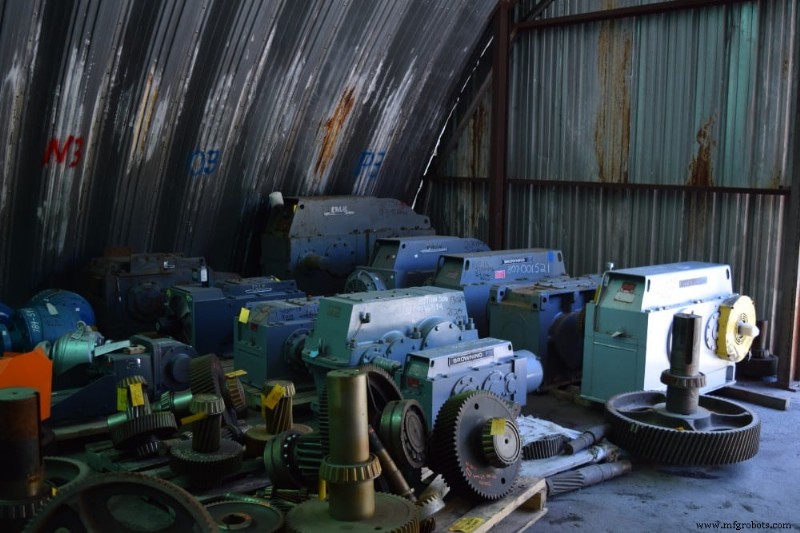
In the world of mining, the gearbox sits at the core of every conveyor drive system. A well‑maintained unit keeps material flowing smoothly, while a single fault can halt an entire operation. This guide gives plant managers, maintenance supervisors, and field technicians a clear, evidence‑based framework for diagnosing and correcting common gearbox issues on the shop floor.
Common Gearbox Issues & How to Troubleshoot Them
Mining conveyor gearboxes endure abrasive dust, extreme temperatures, and near‑continuous loads. Even the toughest designs can fail if wear goes unnoticed. Early detection, systematic inspection, and timely intervention are essential for maximizing uptime and minimizing long‑term repair costs.
Below are the four most frequent problems and practical steps for effective troubleshooting.
1. Overheating
Overheating typically stems from inadequate lubrication, degraded oil, or overload. It can also arise when a gearbox is mismatched to the load, forcing it to operate beyond its design limits.
Consequences
- Rapid oil degradation
- Accelerated wear of gears and bearings
- Potential warping of gear teeth and bearing damage
What to Check
- Measure operating temperature during peak load; any reading above the manufacturer’s specification is a warning sign.
- Inspect ventilation pathways for dust, mud, or other obstructions.
- Look for oil discoloration, a burnt odor, or a drop in viscosity—classic indicators of oil breakdown.
Recommended Actions
- Replace oil with a high‑performance lubricant that offers superior thermal resistance.
- Improve airflow or add external cooling if ambient temperatures remain high.
- Consult West River Conveyors to verify that your gearbox matches the current load profile.
2. Oil Leaks
Leaks usually originate from worn shaft seals, hardened gaskets, or excessive internal pressure. Vibration or misalignment can also loosen fasteners, allowing oil to escape from housing joints.
Consequences
- Oil levels fall below safe thresholds, reducing lubrication and hastening internal wear.
What to Check
- Inspect for visible oil streaks around seals, plugs, or seams.
- Use UV dye and a light source to locate subtle leaks.
- Verify oil level—consistent depletion may indicate an active leak.
Recommended Actions
- Replace damaged seals and retighten housing bolts to proper torque.
- Ensure the gearbox breather is clear to prevent pressure build‑up.
- Avoid overfilling; follow the manufacturer’s level indicators.
3. Abnormal Noise
Grinding, whining, or knocking noises usually point to internal mechanical stress—worn gears, misalignment, loose mounting bolts, or bearing failure from contamination or insufficient lubrication.
Consequences
- Metal components may contact each other unintentionally, leading to pitting, cracking, or catastrophic failure.
What to Check
- Listen for new or intensified sounds during startup, load changes, and shutdown.
- Examine gear teeth for scoring, wear, or chipping.
- Check for vibration or shaft movement that may indicate misalignment.
Recommended Actions
- Conduct vibration or acoustic analysis if your facility has the capability.
- Realign shafts and couplings, especially after new installations or impact events.
- Replace any damaged gears or bearings promptly.
4. Torque Loss
Torque loss occurs when internal components slip or disengage under load—rounded gear teeth, improper mesh, worn clutch or keyway, or shock loads can all contribute.
Consequences
- Conveyor operation becomes intermittent, belts slip under heavy load, or the system may stall, reducing productivity.
What to Check
- Observe belt behavior during operation—hesitation, lag, or sudden stops while the motor remains active.
- Inspect for mechanical wear such as smoothed gear surfaces or damaged coupling keys.
- Check clutch mechanisms or torque limiters (if present) for wear or failure.
Recommended Actions
- Open the gearbox for an internal inspection or contact West River Conveyors for teardown assistance.
- Replace visibly worn or damaged gears, shafts, or other critical components.
- Consider upgrading to a more robust gearbox if torque demands have risen.
Best Practices for Lubrication, Alignment & Preventive Care
- Lubrication: Choose the correct oil viscosity for ambient temperature and load. Change oil at OEM intervals—more often in dusty or high‑heat environments.
- Alignment: Verify coupling and shaft alignment regularly to prevent vibration and accelerated wear.
- Preventive Maintenance: Perform visual inspections, monitor temperature and noise, and track vibration data. Maintenance logs help spot wear patterns early.
When to Repair or Replace Your Gearbox
Deciding between repair and replacement often depends on the severity of the problem, part availability, and downtime tolerance. Use the quick comparison below to guide your decision:
| Repair If | Replace If |
|---|---|
| Isolated failures (seal, bearing, gasket) | Recurring failures despite multiple repairs |
| Housing and internal gears remain structurally sound | Major internal damage or extensive gear wear |
| Replacement parts are readily available | Model is obsolete or parts are discontinued |
West River Conveyors offers new, rebuilt, and replacement gearboxes tailored to your existing setup or performance goals. Our experts can help determine whether a rebuild or replacement delivers the best value for your operation.
Extend Your Conveyor System’s Lifespan
Rapid, confident troubleshooting starts with recognizing warning signs and following a structured approach. Whether you’re refining lubrication routines, spotting early misalignment, or deciding when to replace an aging unit, proactive gearbox care is key to minimizing unplanned downtime.
With West River Conveyors’ experience, inventory, and technical support, you can keep your conveyor systems operating at peak performance. Need help diagnosing or replacing a faulty gearbox? Contact us today or explore our gearbox options.
Industrial equipment
- Understanding 367 in Pump Efficiency: A Clear Guide
- Step-by-Step Guide to Adjusting the Clutch on a Summit Metal Lathe
- Spin Coating Explained: Precision Thin‑Film Deposition in Microfabrication
- Why Relocating Your Business Can Drive Growth
- Hemming vs. Seaming in Metalworking: Key Differences and Applications
- Building Reliability: Selecting Heavy‑Duty Conveyors for Gravel Transport
- Maximizing Value: Smart Strategies for Selling, Trading, or Leveraging Used Industrial Equipment
- How Nitrogen Keeps Food Fresh: The Science Behind Food Spoilage Prevention
- YCM TC-16 CNC Lathe: High-Performance, High Value for Automotive & Electronics
- Why a Linde PV Hydraulic Pump is the Best Choice for High‑Pressure Applications