



Maximizing Efficiency in Aggregate Conveyors: Expert Tips & Proven Strategies
Posted on July 10, 2025 by admin
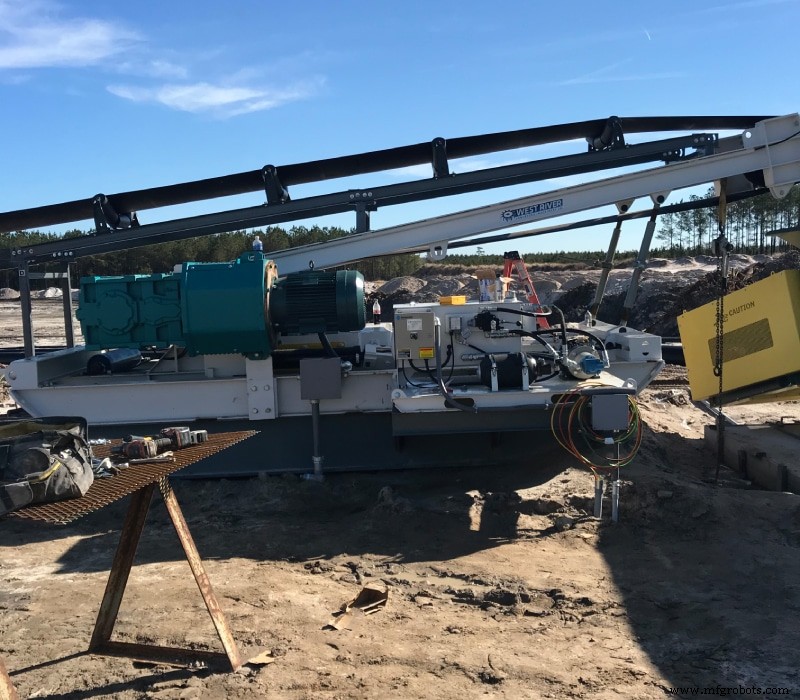
Conveyor systems are the backbone of aggregate operations, ensuring that crushed stone, sand, and gravel move seamlessly through processing plants, storage yards, and onto transport vehicles. In the harsh environment of aggregate handling—characterized by abrasive materials, uneven terrain, and high throughput—optimizing performance goes far beyond simply installing a conveyor.
To reduce downtime, lower operating costs, and extend equipment life, operators must actively refine every aspect of bulk material handling. This includes managing wear, controlling flow, aligning components, suppressing dust, and more.
Whether you run a fixed plant or a mobile operation, fine‑tuning system performance delivers measurable gains in safety, throughput, and maintenance intervals.
KEY FACTORS TO OPTIMIZE AGGREGATE CONVEYOR PERFORMANCE
Achieving peak performance requires a strategic, system‑wide approach. The following core factors are essential for boosting efficiency, minimizing downtime, and extending the life of your conveyor system.
Belt Speed and Material Flow Rate
Belt speed directly influences throughput, energy consumption, and material spillage. Excessive speed can cause bouncing or segregation, especially with coarse aggregate, while too slow a pace sacrifices efficiency. Matching belt speed to the specific material type and volume ensures smoother flow, reduced wear on components, and minimized carryback. It also lowers power consumption and the risk of slippage in belt conveyors, where consistent loading and speed are critical for reliable operation.
Component Selection and Wear Resistance
Aggregate is unforgiving—sand is highly abrasive, crushed stone can cause impact damage, and gravel is abrasive and heavy. Selecting heavy‑duty, abrasion‑resistant components is therefore non‑negotiable. Recommended choices include:
- High‑tensile rubber belts for sand and gravel.
- CEMA D or E idlers for extended life under heavy load.
- Sealed bearings to keep contaminants out and reduce premature failure.
Dust Suppression and Containment
Dust is more than a nuisance—it’s a safety and environmental hazard that can impair visibility, trigger regulatory penalties, and accelerate equipment degradation. Effective dust control measures include:
- Skirtboard sealing systems to prevent dust escape at loading zones.
- Enclosed transfer points to contain fugitive dust.
- Water spray systems or foggers to suppress dust at the source.
Maintenance Scheduling and Accessibility
Even the best‑designed system requires proactive upkeep. Incorporate accessibility and maintainability from the outset:
- Schedule routine inspections for high‑wear parts such as belts, scrapers, and rollers.
- Select systems with accessible components—slide‑out idlers, hydraulic take‑ups—to speed maintenance and reduce downtime.
- Leverage remote monitoring, where available, to detect issues like belt misalignment or motor overheating before failure.
CHALLENGES IN AGGREGATE ENVIRONMENTS AND HOW TO OVERCOME THEM
Even the most well‑designed conveyors can struggle in harsh aggregate conditions. Below are common challenges and proven solutions.
Abrasive Materials
Sand, gravel, and crushed stone relentlessly wear equipment—leading to frayed belts, seized idlers, worn pulleys, and motor overloads. Combat this by engineering conveyors with durability at the core:
- Abrasion‑resistant belting—rubber compounds tailored for aggregate or reinforced with fabric or steel.
- Impact beds and heavy‑duty idlers at transfer points to absorb shock.
- Replaceable wear liners and skirting systems that can be serviced without major disassembly.
- Proper material flow control to reduce belt loading stress and limit localized wear.
Uneven Terrain
Pits, quarries, and stockyards rarely offer a level surface. Constant elevation changes and unstable ground create alignment issues and increase wear on both structure and components. Custom‑engineered overland conveyors that accommodate terrain variability provide reliable performance. Key design features include:
- Modular support structures that follow grade changes while maintaining belt alignment.
- Adjustable take‑up units and drive configurations to maintain proper tension on uneven ground.
- Tailored belt layouts and pulley arrangements to suit the specific application, minimizing spillage and system stress.
Unplanned Downtime
Downtime from worn components, misalignment, or sudden failure halts the entire operation, costing lost material movement, delayed deliveries, and increased crew pressure. Preventative strategies include:
- Targeted inspections of high‑wear areas such as tail pulleys, drive motors, and loading zones.
- Vibration and temperature monitoring sensors to alert teams before misalignment or bearing failures become critical.
- Clear maintenance protocols and part inventories to reduce diagnostic and sourcing time during a breakdown.
FINDING THE IDEAL CONVEYOR FOR AGGREGATE HANDLING
Every aggregate operation is unique, but the goal remains constant: move more material, more efficiently, with less downtime and lower operating costs. From abrasion‑resistant components to terrain‑adapted designs and proactive maintenance, the right conveyor system delivers consistent performance and operational efficiency.
At West River Conveyors, we specialize in custom‑engineered solutions built for sand, gravel, and crushed stone environments. Whether you need a new system or an upgrade, our experienced team can design the conveyor that delivers today’s performance and tomorrow’s value.
Looking to improve your conveyor’s performance and reduce downtime?
Explore Our Aggregate Conveyors Get a Free Quote
Industrial equipment
- Understanding Fusing: Techniques and Applications in Industry and Craft
- How to Keep Heavy Machinery Running Smoothly: Maintenance Tips & Best Practices
- Minimize Pressure Losses: Expert Guide to Selecting Hoses, Tubing, Fittings & Quick-Disconnect Couplings
- Understanding Manufacturing Joint Ventures: Benefits and Strategies
- Explore a Factory Tour: Inside the Heart of Production
- Waterjet Maintenance Checklist & Schedule: Proactive Care for Peak Performance
- Why the Kawasaki K7VSP Hydraulic Pump Is Your Best Choice: 6 Key Benefits
- Revolutionizing Plastics Production: How Industrial & Collaborative Robotics Solve Today's Challenges
- Understanding Antimicrobial Coatings: How They Protect Surfaces from Germs
- 7 Cutting‑Edge Tech Trends Revolutionizing Modern Engineering