



Building Reliability: Selecting Heavy‑Duty Conveyors for Gravel Transport
Posted on July 10, 2025 by admin
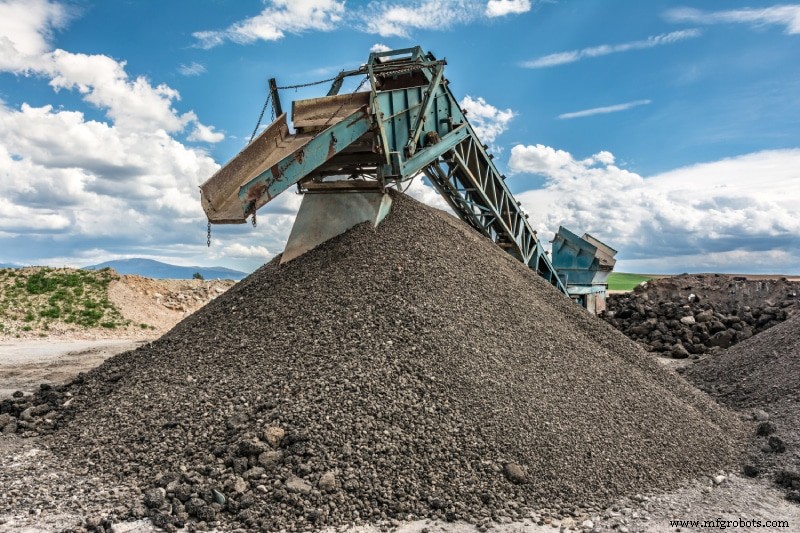
Gravel may appear simple, but its weight, size, and abrasive nature make it one of the toughest bulk materials to move. In mining and construction, choosing the right conveyor isn’t just a preference—it’s essential for long‑term performance, cost efficiency, and safety.
Below we break down gravel’s material characteristics, explain how they influence equipment selection, and outline the key factors that distinguish reliable gravel conveyors from those that fail prematurely.
Understanding Gravel: A Heavy, Abrasive Challenge
- Bulk density & particle size: Gravel often exceeds 100 lb/ft³ and has coarse, jagged edges that can strain belts and pulleys.
- Abrasiveness: High‑friction zones—loading points, transfer points—suffer accelerated wear on belts, idlers, and structural members.
- High‑volume expectations: Systems must routinely handle hundreds of tons per hour, so efficiency is non‑negotiable.
Operations also face long distances, variable terrain, high drop heights, and weather exposure. Whether you’re installing stationary overland conveyors, radial stackers, or portable transfer units, the chosen system must be engineered for consistent performance under these harsh conditions.
Key Factors in Choosing a Gravel Conveyor
Successful gravel handling hinges on components that can withstand heavy loads and abrasive impacts. Below are the critical elements:
Reinforced Conveyor Belts
Only high‑tensile, abrasion‑resistant belts—rated for sharp, heavy loads—will survive continuous gravel transport. Look for reinforced covers and proper sizing to reduce wear.
Heavy‑Duty Pulleys & Shafting
Head, tail, and snub pulleys must be correctly sized and lagged to maintain belt tension and alignment. Undersized or unlagged pulleys lead to premature belt failure.
Impact Beds & Wear Liners
Installing impact beds and wear liners in loading zones protects the conveyor frame, dampens vibration, and shields belts and idlers from high‑drop impacts.
Properly Sized Drive Systems
Motors and gearboxes should match load requirements, system layout, and desired throughput. Mismatched drives cause energy waste or mechanical failure.
Skirting, Scrapers & Containment
Effective containment—skirting, scrapers, and dust suppression—keeps gravel on the belt, reduces carry‑back, and minimizes maintenance.
Risks of Improper Component Selection
When conveyors aren’t engineered for gravel, the following issues can surface quickly, mirroring common bulk‑handling failures:
- Premature wear on belts, idlers, and bearings
- Material spillage from poor containment or loading misalignment
- Belt tracking and misalignment problems
- Motor strain and failures due to undersized drives
- Unplanned downtime that disrupts production schedules
These risks translate into costly repairs and lost productivity—avoiding them begins with a system built to gravel’s demands.
Why Partner with West River Conveyors
West River Conveyors specializes in heavy‑duty conveyor solutions for the toughest jobs. Our approach includes:
- Custom overland and transfer designs tailored to gravel and similar bulk materials.
- Component selection based on your material characteristics, layout, and throughput goals.
- High‑performance parts—impact beds, dust containment, wear liners—designed for real‑world conditions.
- Long‑term cost savings through efficient material movement and reduced maintenance.
Every job site is unique. Whether you face steep inclines, remote locations, tight spaces, or high‑volume demands, we deliver rugged, cost‑effective solutions that perform under pressure.
Investing in a West River conveyor means you gain a partner focused on uptime, easy maintenance, and optimal results from day one.
Choose a Gravel Conveyor Built to Last
Gravel’s challenges are manageable with the right equipment. A well‑engineered conveyor reduces maintenance, extends lifespan, and keeps you on target with production goals.
- Review site layout and loading zones to identify reinforcement needs.
- Assess throughput demands to size the system for efficiency and longevity.
- Consult a conveyor specialist to match components to your material and environment.
West River Conveyors builds systems engineered for sand, gravel, and aggregate operations—ensuring belt strength, wear protection, and custom layouts for peak performance and reliability.
Explore Our Gravel Conveyors & Get a Free Quote
Industrial equipment
- 5 Key Insights About the Burnishing Process
- Agricultural Technology: Tools, Machinery, and Innovations Shaping Modern Farming
- Mastic Asphalt Explained: Composition, Uses, and Benefits
- Kawasaki K3VLS Hydraulic Pump: Key Features & Performance Insights
- 5 Critical Indicators That Your Equipment’s Belt Drives Need Replacement
- Mechanical Linkage Explained: How Hard Rods Drive Devices
- Rotary vs. Linear Pneumatic Actuators: Expert Guide to Choosing the Right System
- Lane4 Precision Enhances Swiss Lathe Backworking with Microconic Collets
- Gaskets Explained: How They Seal Machinery and Keep Fluids in Check
- How Modern Magnets Are Made: From Rare‑Earth Mining to Final Magnetization