



When to Replace Leveling Mounts: Key Signs & Upgrade Tips
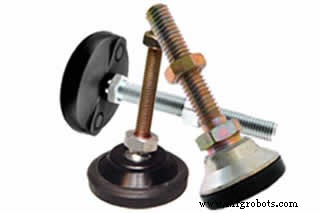
If your equipment relies on leveling mounts—also known as leveling feet—to maintain stability, you may wonder when it's time to replace them. These components are engineered to level and isolate vibrations for machines, cabinets, fixtures, and other objects. By adjusting each mount to the same height, you ensure a balanced setup. The rubber‑like anti‑vibration pads at the base absorb shock while keeping the attached item steady.
Over time, however, leveling mounts can deteriorate. When they lose their effectiveness, you risk instability and potential damage to the equipment and workspace. Below are the main indicators that a replacement is warranted.
Signs of Wear
Inspect your mounts for the following symptoms:
- Rubber pad degradation. Peeling, cracking, or chipping of the anti‑vibration pads signals that the mount no longer provides adequate isolation.
- Corrosion. Metal mounts exposed to moisture or humidity may rust. Rust can erode the mounting surface, compromising structural integrity.
- Thread wear. If the mounting threads have become rounded or damaged, the mount will fail to secure the attached object properly.
Material Options for Upgrades
When ordering replacements, choose a material that matches your application’s demands:
- Carbon steel. Ideal for heavy‑load environments due to its strength and durability.
- Stainless steel. Excellent for humid or corrosive settings, resisting rust and maintaining performance.
- Plastic, zinc, or other alloys. Suitable for lighter loads or cost‑sensitive installations.
Benefits of Replacing
New leveling mounts deliver:
- Superior stability—reducing the risk of tipping or falling.
- Enhanced vibration isolation—protecting sensitive equipment and prolonging its lifespan.
- Consistent leveling—ensuring that all components remain perfectly horizontal.
The Risks of Ignoring
Neglecting worn mounts can lead to:
- Increased vibration that accelerates wear on machinery.
- Potential collapse of equipment, causing costly downtime or product loss.
- Safety hazards for personnel—especially if a machine falls or vibrates excessively.
Investing in a new set of leveling mounts is a proactive step toward operational reliability and workplace safety. If your mounts show any of the wear indicators above, replace them promptly and select the material best suited to your environment.
Industrial equipment
- When to Replace Your CNC Machine: 3 Key Indicators
- Deciding Between Repairing or Replacing Your CNC Machine: A Practical Guide
- Repair vs. Replace: Choosing the Right Path for Your Industrial Control Panel
- When to Upgrade Off‑Road Equipment for Peak Performance
- 7 Key Signs Your Industrial Brakes Need Replacing – Stay Safe and Operational
- Choosing the Right Time to Deploy a Hammerhead Crane: A Practical Guide
- Why Replacing Defective Blades is Crucial: Safety, Quality, and Productivity
- Choosing Banjo Hose Fittings: When and Why They're Essential
- Why Capping Hose Assemblies Protects Your Hydraulic System
- Rebuilding vs. Replacing Hydraulic Equipment: Which Choice Delivers Faster Production?