



Reliable Backup Power Solutions for Construction Job Sites
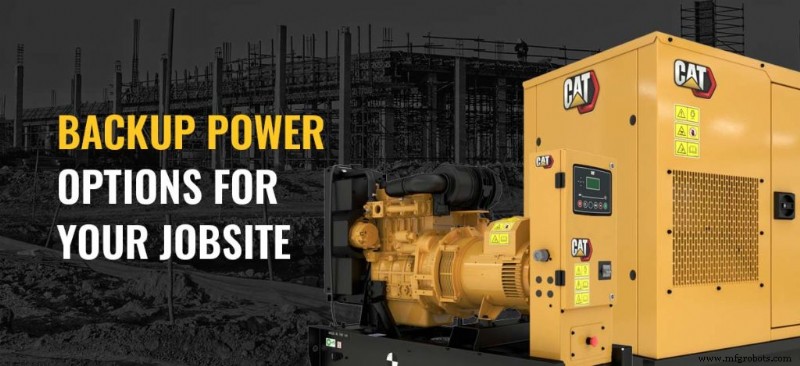
Power interruptions on a construction site can halt operations, delay projects, and erode client confidence. A dependable backup power strategy is as critical as the equipment you deploy.
This guide walks you through selecting, sizing, and safely deploying backup power to keep your crew productive and compliant.
Why Backup Power Is Essential on a Construction Site
Most job sites lack permanent electrical infrastructure. Even with battery‑powered tools, crews need continuous power for welding, lighting, lifting, and communication. Temporary offices, safety systems, and HVAC units also depend on reliable electricity. A sudden outage can trigger safety hazards and costly delays, so proactive planning is mandatory.
Grid strain, heat waves, or extreme weather can cause instant power loss. Even a single lost day can cost thousands of dollars. Backup power keeps your operation moving while you troubleshoot or wait for grid restoration.
Choosing the Right Power Solution for Your Project
Construction projects vary widely in size, duration, and equipment mix. Your power strategy should match these variables. Options include tow‑able, diesel, gas, and mobile solar systems. Start by calculating your load demand and project timeline before exploring equipment.
Tow‑able Generators
These are the industry standard for on‑site power needs. Mounted on trailers, they offer mobility and scalability. Units range from compact 5‑kW models for light tools to 25‑kW units that can supply multiple zones. Many now feature sound‑attenuated enclosures, ideal for urban or noise‑restricted sites.
One large unit can power an entire site, or you can deploy multiple smaller units to isolate power zones and improve redundancy.
Diesel Generators
For high‑power, continuous operations—especially in remote locations—diesel generators are preferred. They deliver high output, long run‑time on a single tank, and proven durability. Their robust design reduces the need for frequent refueling.
Gas Generators
Natural gas or propane units offer quieter operation and convenient fuel logistics. Ensure proper ventilation and a reliable fuel delivery plan before installation.
Mobile Solar Panels
Solar‑battery systems provide sustainable backup for low‑load applications such as lighting, chargers, and small communication devices. While not a replacement for diesel or tow‑able units, they complement them in sunny regions, reducing fuel costs and emissions.
Calculating Your Power Requirements
Choosing the correct generator size is critical. Under‑rated units trigger breakers; oversized units waste fuel and space. Follow these steps to identify your sweet spot:
- Inventory all electrical loads: List every tool, light, HVAC unit, trailer, and system. Record voltage and wattage for each.
- Determine simultaneous usage: Estimate which loads will run concurrently on‑site and off‑site.
- Account for starting surges: Motors and compressors often require 2–3× their running wattage at startup. Ensure the generator can handle these peaks.
- Convert to kilowatts and add a buffer: Sum the total wattage, convert to kW, and add a 10–20% safety margin.
- Plan for future growth: Anticipate expansions, additional trailers, or new equipment to avoid later upgrades.

Even with meticulous calculations, field conditions can surprise you. Partner with a certified power supplier to review your load profile and recommend the optimal generator setup, saving you time and expense.
Safe Installation and Operation of Backup Power
Proper planning protects equipment, personnel, and the site. Follow these best practices:
Support Infrastructure
Use power distribution boxes (spider boxes), switchgear, and weather‑rated cables. These components break power into usable outlets, control load flow, and maintain safe operation under all weather conditions.
Site Layout and Protection
Position generators on stable, level ground away from high‑traffic zones but close enough to minimize cable runs. Keep distribution points elevated and covered to avoid water ingress.
Always install GFCI protection to prevent electrical shock. Ensure all boxes and outlets are weatherproof, especially in volatile climates. Balance loads across circuits to avoid overheating and frequent shutdowns. Mark cables to prevent accidental cuts.
Regulatory Compliance
All equipment must meet OSHA standards and local electrical codes. Proper grounding, spacing, and inspection intervals are mandatory. Non‑compliance can result in safety incidents and hefty fines.
Partnering With a Trusted Power Solutions Provider
From high‑demand commercial projects to rural infrastructure builds, every construction site benefits from a reliable backup power system. Blanchard Energy delivers tailored backup and temporary power equipment, backed by 40+ years of experience in South Carolina.
Our team offers expert sizing consultations, equipment rentals, parts supply, and emergency support. With locations throughout the state, we’re ready to keep your site powered and productive, no matter the conditions. Contact us today to discuss your next power solution.
Industrial equipment
- Understanding Ceramic Heating Elements: How They Work and Why They're Superior
- Understanding Yellow Goods: Construction Equipment & Consumer Products Explained
- Top 5 Essential Factors When Choosing a Metal Cutting Shear
- Ensuring Peak Performance: Expert Guide to Compressor Motor Maintenance
- Mastering Total Cost of Ownership in Used Equipment Purchases
- Hard Turning Meets Cylindrical Grinding: The Studer S242 Platform
- Forging vs. Forming: How These Metalworking Processes Differ
- Unlocking Precision: How Fiber Laser Marking Machines Boost Business Efficiency
- Understanding Surgical Steel: Composition, Uses, and Benefits
- Exploring the Spectrum of Medical Industrial Design: Types and Applications