Industrial manufacturing
Industrial robot
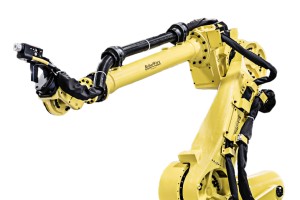
So, you’re thinking about getting a robot? One of the things you will have to research is the robot payload capacity. A robot payload is the maximum of weight that a robot can pick up or manipulate. This is important to any manufacturer looking to automate their production line, bec
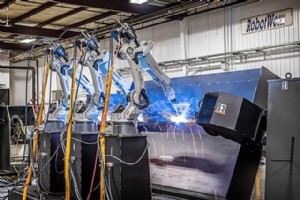
When industrial robots first debuted in the 1960s with the Unimate, researchers saw many possibilities for their future. Over the years, these robots have evolved into machines that can paint, weld, handle material and remove material, along with an entire host of other applications
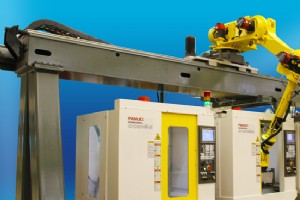
Machine loading and unloading can be a tedious, and sometimes treacherous, job for workers, especially if they are not paying attention during the loading and unloading process. That is why machine loading robots are so attractive to manufacturers these days. Not only can machine lo
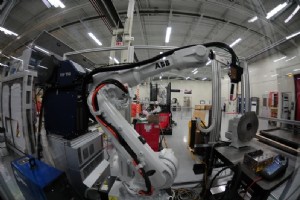
Though similar in the name, TIG and MIG welding have quite a few differences. Deciding which one is suitable for your company depends on the precision of weld required, time allocated for setup, utilization and initial cost. There are several benefits and fall backs to using TIG and
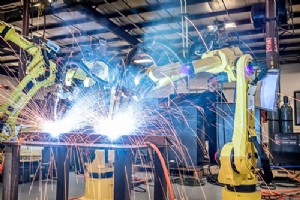
Flux cored welding, also known as flux cored arc welding or FCAW, is a type of welding where a consumable electrode is fed continuously during the welding process. This electrode contains flux, hence the name of the welding process. Flux cored welding robots have many advantages ove
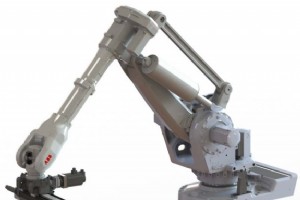
Robotic painting is probably one of the easiest ways for a manufacturer to save money, and it is also one of the oldest robotic applications around. Companies like ABB Robotics have been designing flexible painting robots for decades, and their designs just keep getting faster and m
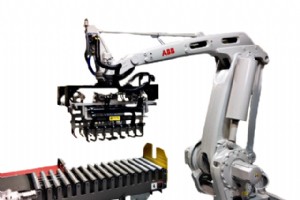
Manufacturing has been around since the industrial revolution in the 1800s. Robotic manufacturing has developed over a much more recent timeline, starting in the 1960s. While assembly lines and conveyors used to be manned by hundreds of human workers, they are now manned by robots t
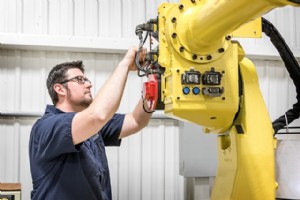
Laboratories all over the world are constantly pushing the envelope to develop new robots and applications for robots. Many of these labs are found in universities, where scientists and students work together to innovate in the field of robotics. Researchers worldwide are developing
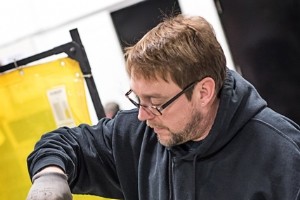
Automated robotic systems have been working in factories for more than 40 years. Many of them are able to last decades doing the same job, as long as they have proper robotic maintenance periodically. By performing this maintenance to a robot, manufacturers will extend the life of t
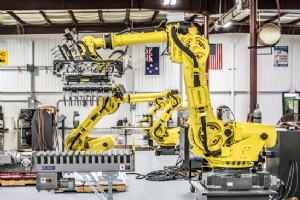
So, you want to buy an industrial robot. Not sure where to start? That’s okay. Let’s take this one step at a time. An industrial robot is a robot that is used in an industrial market to perform applications like welding, material handling, dispensing and material removal processes.
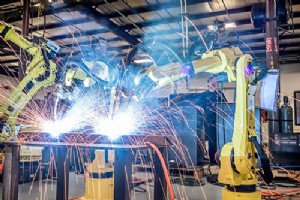
In the first half of the 20th century, humans saw robots taking over the world in science fiction literature and B-movies. Then, toward the end of the 20th century, as industrial robots began to rise in popularity, humans were concerned that they would take over the job market. Howe
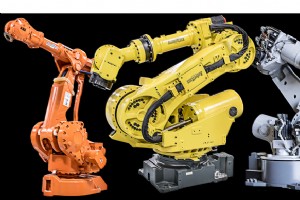
Adults have been at the forefront of robotic innovation for many years, but it may be time for the adults to step aside a bit. Children are starting in robotics earlier and earlier, which is giving them skills that no one in the current generation was lucky enough to have at such a
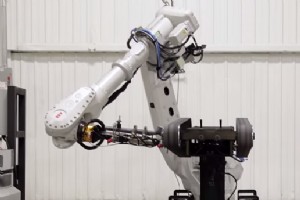
Material removal is probably one of the most used and necessary group of robotic applications available for manufacturing today. While welding and material handling applications are necessary for moving things down the line or piecing them together, the pieces themselves would not b
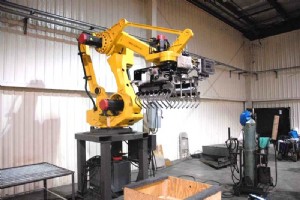
Industrial robots have been working in factories around the world since the 1960s. The first robot applications were as simple as painting, and later moved on to assembly, welding and many more material handling, welding, dispensing and removal processes – more than anyone ever drea
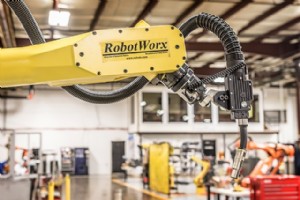
Robots move in many different ways to accomplish the jobs they have to do every day. A robot’s motion is important to the application, while also being important to the existing structures, machines and workers that surround that robot on a daily basis. Scientists research the moves

When a manufacturer is shopping for a great robot for their production line, accuracy is one of the features they look at first. Accuracy is extremely important in the majority of robotic application, especially when it comes to welding and material removal.Robotic accuracy during t
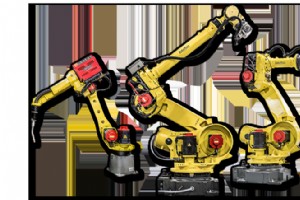
Fanuc Robotics has been a leader in the robotics industry for more than 40 years, and they continue to innovate and improve their technology year after year. Fanuc produces robot technology that can assemble, paint, weld, dispense, deburr, drill and grind, along with several other a
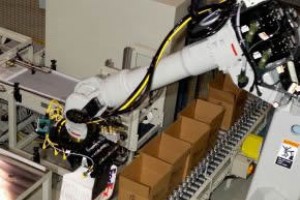
For more than 40 years, industrial robots have been performing applications in factories worldwide. Over the years, these applications have continued to improve and evolve. One of the applications, robotic packing, gives robotic systems the ability to pack products into cases for sh

An important ability for any painting robot is its ability to be consistent. That is one trait that the Fanuc P-50iBFanuc P-50iB painting robot has mastered as well, if not better, than other robots in its class. However, consistency is not the only advantage that the Fanuc P50iB br
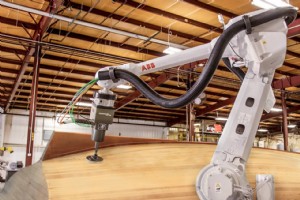
For more than 40 years, when someone thought of a robot, they either thought of something on a science fiction movie, or they thought of the robot arms that have been working in factories. These industrial robots have spent decades welding, handling material and removing material, b
Industrial robot