Industrial manufacturing
Industrial robot
Industrial robot integration spans a spectrum—from seasoned integrators who’ve programmed hundreds of units to newcomers embarking on their first project. Mastery in this niche demands not only technical skill but also a strategic mindset that turns challenges into opportunities. Below are five es
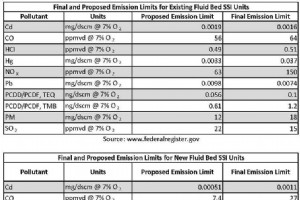
Manufacturing inevitably generates waste that can become pollution. Environmental regulations aim to mitigate these impacts, offering benefits for both productivity and national well‑being. As new infrastructure proposals spark debate on MACT (Maximum Achievable Control Technology) standards, manufa
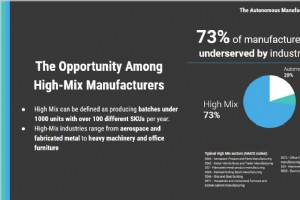
Industrial robot integrators are the elite specialists of automation, deploying their expertise to overhaul processes for top‑tier manufacturers seeking peak efficiency. For too long, the industry has relied on large‑scale, high‑throughput deployments, leaving the high‑mix segment—over 70% of North

In manufacturing, automation is often perceived as a means to replace workers, yet most automated solutions actually enhance the existing workforce’s effectiveness. Much like ATMs removed routine teller duties without eliminating the need for skilled staff, modern automation can free employees from
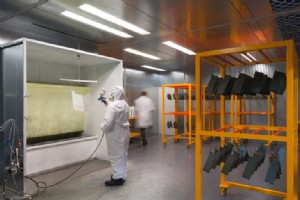
Industrial paint quality is a nuanced challenge. While precise application is attainable, scaling that precision to 100, 1,000, or more parts introduces consistency hurdles that demand a systematic approach. Consistency gaps arise from four main factors: the application method, the tools and their
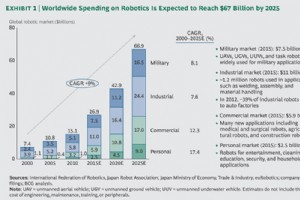
Autonomous robots are poised to become the next wave of General Purpose Technologies—systems that can be leveraged across multiple industries to boost global economic output. Their versatility promises transformative productivity gains, yet no single company or inventor is likely to monopolize the m
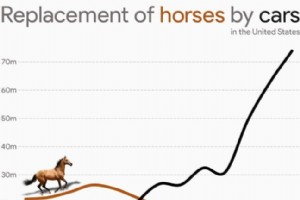
General‑purpose technology (GPT) refers to a technology or set of technologies that, once developed, unlocks broad, transformative benefits across multiple sectors of society. These innovations compound each other’s power, reshaping how we work, travel, and live. Classical GPTs—such as the wheel, f
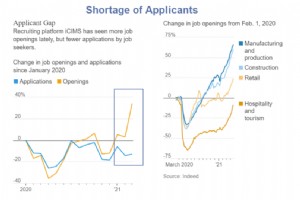
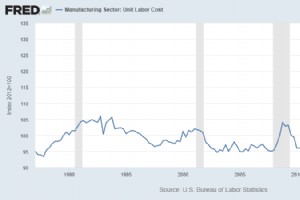
When we examine the North American manufacturing landscape, two key questions arise: why have jobs moved overseas, and what are the underlying economic forces at play? Beyond the political debate, the real challenge lies in identifying sound economic strategies and understanding why certain demograp
The rising cost of rework is a growing concern for manufacturers worldwide. With baby boomers and seasoned skilled workers retiring—and a shortage of younger talent to replace them—the traditional factory model is becoming obsolete. Automation is stepping in, but it often demands hefty capital and s
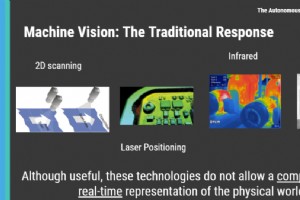
When most people picture fully autonomous robots, they imagine sci‑fi scenarios rather than the tangible benefits that self‑driving machines already deliver across manufacturing, logistics and healthcare. Rather than fearing the unknown, we should focus on how autonomous robots can streamline opera
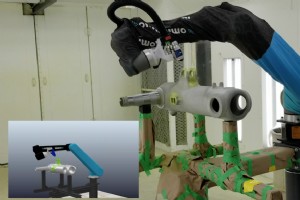
Autonomous robots perform tasks with minimal human oversight, making them ideal for environments that change from one part to the next. Although still a growing field, they already thrive in highly structured manufacturing settings. For companies that produce variable parts or operate outside rigid
Autonomous robots are redefining modern workforces by executing repetitive tasks, navigating unpredictable spaces, and shielding humans from hazardous or monotonous duties. With skilled labor shrinking due to a global demographic shift, these machines are becoming indispensable for sustaining produc
Robot programming remains a steep challenge for even novice developers, especially in the small‑business integrator space where rapid, one‑off projects dominate. The result? A backlog of clients and a high opportunity cost that eclipses the potential gains from advanced automation. Traditional robot
The robotics revolution began with GM’s Unimate, designed to tackle tasks too dangerous or repetitive for humans. Today, autonomous robots promise to extend that legacy, addressing new challenges in sustainability and resource scarcity. While many manufacturers still rely on traditional robotics fo
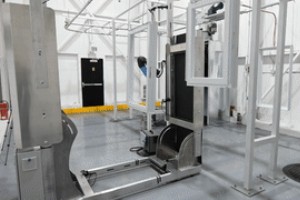
In metal fabrication, quality control is essential, yet for industrial metal finishing it is paramount—customers judge a product first by its appearance. Other production stages may meet specs, but the coating and protective layers determine the product’s visual and tactile quality that customers ar
In the world of industrial finishing, the dreaded trio of Rework, Rejections and RMAs can cripple productivity and erode margins. Spray coating, in particular, demands impeccable consistency and quality—qualities that even the most seasoned painters can struggle to deliver at scale. Enter the paint
Robots have long been recognized as productivity multipliers, delivering repeatable performance on assembly lines and routine machine‑tending tasks for thousands of cycles—or even years—without fatigue. When the task shifts to complex value‑adds such as welding, machining, or spray application, prog
Before you select a spray‑finishing method for metal parts, it’s essential to understand the core options, their benefits, and how automation can streamline the process. This overview is an introduction—detailed engineering data, safety codes, and compliance standards are available from the Powder C
For decades, industrial robots have moved from broad‑scope automation to highly specialized solutions. Today, paint robots are no longer a futuristic fantasy; they are integral to modern manufacturing, delivering consistent coverage, reducing waste, and meeting stringent safety standards. What Makes
Industrial‑scale production demands industrial‑scale solutions. In powder coating, transfer efficiency—the proportion of material that actually adheres to the part—directly impacts cost and quality. Why Transfer Efficiency Matters Even a modest 50 % loss of powder can cost a medium‑sized shop millio
Industrial robot