


Industrial manufacturing
Industrial robot

Remote monitoring, remote programming, and predictive maintenance solutions empower manufacturers to cut downtime, boost robot cell performance, and safeguard business continuity. Embedded in the broader landscape of digital manufacturing, Industry 4.0, and IIoT, these technologies fuse digital insi

We are thrilled to announce the successful close of a $6.5 million CAD seed round, enabling the expansion of our technology platform beyond painting and spray operations into machining, welding, and other value‑added processes. The round was led by Fonds de solidarité FTQ and Export Development Cana
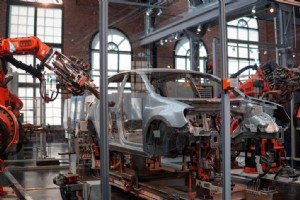
Maybe it’s the last missed shift, the last missed order, or a looming retirement from one of your stalwart employees – being ready for a robot is something that tends to linger in the background, but then happens all at once. Robots have their benefits, but deciding whether itR
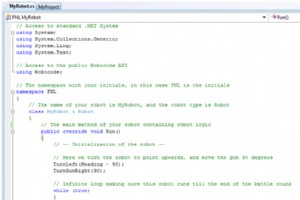
The convergence of AI, autonomy, and robotics often evokes cinematic visions like “The Terminator” or “Her.” In reality, self‑driving robots are unlikely to dominate the world; instead, they will perform essential tasks, freeing humans for higher‑value work and enhancing overall freedom. MIT define
Industrial automation harnesses data‑driven control systems—whether computer‑based controllers, PLCs, or robotics—to run industrial processes with minimal human intervention. This technology increases reliability, reduces errors, and unlocks higher throughput across diverse sectors. Its roots trace
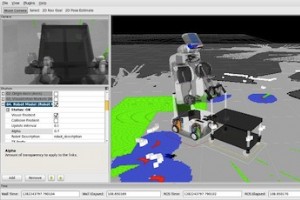
Industrial robot integration is a highly specialized art that relies on skilled solution architects to propel manufacturers toward new productivity heights. Yet, despite advances, many integrators face persistent roadblocks that limit the reach and scope of robotic deployments. These challenges ste
Vision‑guided robotic systems enable manufacturers to bypass the rigid jigging and positioning constraints of conventional industrial robots. These constraints arise because robots typically run tightly bounded, repeatable programs to deliver consistent outputs—think welding a car chassis or assemb
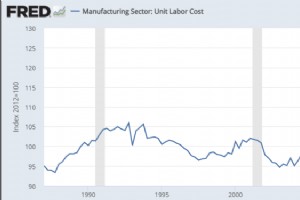
Every economic cycle forces industrial leaders to ask the same hard questions: Where should we invest next? When will demand rise? How can we attract top talent while staying profitable? What strategic risks loom? Growth in manufacturing often gets reduced to three headline variables: overall deman
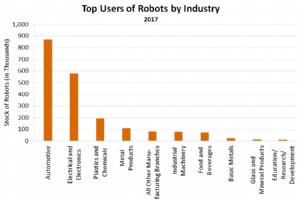
Industrial automation solutions are usually pitched to high-volume, mass-market manufacturers or primary materials processors. This can range from consumer electronics and automotive assembly to timber, plastics, chemicals and metal products. While these sectors are somewhat disparate in t
For over five decades, autonomous robots have evolved from experimental concepts to integral components of modern industry. In 1969, the Stanford Research Institute introduced “Shaky,” a pioneering mobile robot capable of self‑localization via machine vision—an early precursor to today’s sophisticat
While the term “Autonomous Manufacturing” may be new, the concept of leveraging industrial capacity for greater independence has shaped economies since antiquity. Autonomous Manufacturing is a comprehensive technology framework that enables todays manufacturers to enhance productivity, profitabilit
As Henry Ford once observed, “Time waste differs from material waste in that there can be no salvage.” In today’s manufacturing landscape, this reality has never been truer. The COVID‑19 pandemic forced firms to maintain normalcy, meet shifting demand, and navigate unprecedented economic and physi
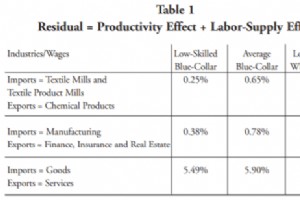
North American manufacturing has long been celebrated in popular discourse, yet concrete policy measures that can bring it back remain scarce. The nostalgic image of a thriving 1950‑60s factory floor rarely translates into actionable strategy. The Economic Logic Behind Offshoring For decades, firms

As the pandemic’s immediate pressures subside, manufacturers who once struggled to meet demand find relief—but the root cause of labor scarcity is worsening. Demographic shifts, a shrinking pool of skilled workers, and a gap between current training and emerging technologies are ero
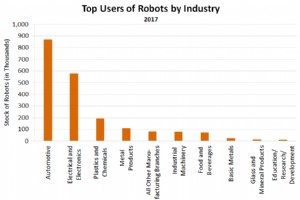
Investing in robotics raises several critical questions. Will the capital outlay align with future demand? Are maintenance and engineering costs sustainable enough to guarantee uninterrupted production? Can robots adapt to the diverse mix of products, parts, and processes that drive both current and

Industrial capital expenditures are notoriously hard to assess. They represent large, one‑time commitments that can strain cash flow or increase debt. Their value hinges on fluctuating demand, labor and material costs, and the uncertain resale potential of specialized equipment. Because of these un
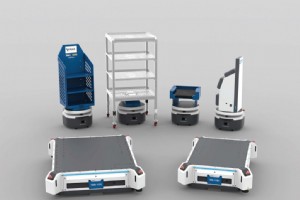
Flexible manufacturing systems empower plants to respond to design changes, order fluctuations, and market shifts with minimal cost. By enabling rapid changeovers, machine cells can handle diverse tasks and provide built‑in redundancy when output demands spike. For mid‑tier mass producers, high‑mix
As COVID-19 restrictions ease, business leaders are accelerating investment in advanced technology and infrastructure to sustain growth. These investments rely on raw materials, sparking a renewed debate around a potential commodities supercycle. While the primary driver is often ESG compliance and
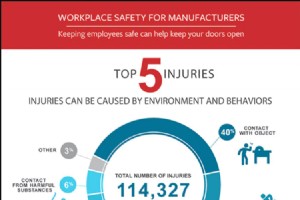
Skilled labor remains the most valuable asset on any production line. High productivity and minimal waste require not only expertise but also systems that empower employees to use their resources effectively. Even as manufacturers invest heavily in protecting every team member, accidents still occur
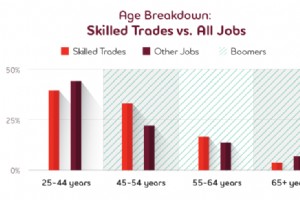
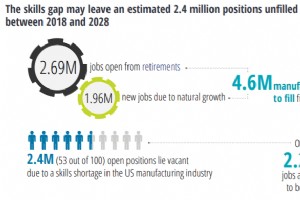
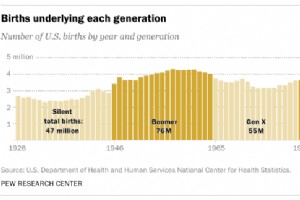
The next decade will shape the future of manufacturing across North America and the world. As the Baby Boomer generation retires and the post‑war birth surge has long since peaked, a stark skill gap is emerging. Older workers are leaving physically demanding, high‑skill roles, while young talent is
Industrial robot
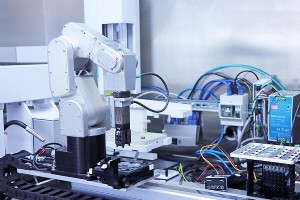
Revolutionizing Solar Cell Research: Automated Smart Lab at U of Montreal
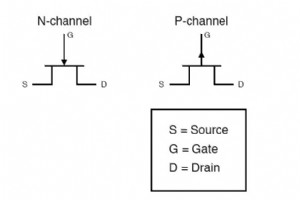
Understanding Junction Field-Effect Transistors (JFETs): Gate Current Direction & N‑Channel vs P‑Channel
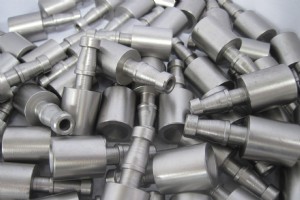
Case Hardening Explained: Enhancing Metal Surface Strength & Durability

5 Essential Elements of a Robust Asset Management Framework

