


Industrial manufacturing
Industrial robot
Introduction: As recently as a few years ago it seemed that labor savings was the driving factor in leading manufacturers to investigate automation. Return on i
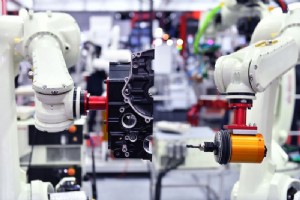
The cerebral cortex is the part of the brain that processes images. Human beings have the largest cerebral cortex compared to other mammals. This superior vision is one of the evolutionary traits that gave humans an edge over other animals. Evolutionary biologists try to unfold the mystery behind t

Glitches with machine vision cameras, uncalibrated sensors, or unpredictable shadows can lead to potentially costly and dangerous errors in industrial AI systems. However, researchers are developing error-proofing algorithms as well as simple measures that can be taken to reduce the probability of
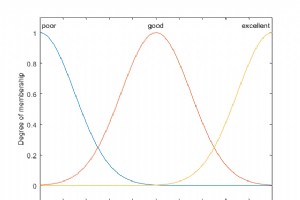
Fuzzy logic may not sound like the most reliable means of implementing a complex control system. However, the ability of fuzzy logic systems to work with imprecise data and implement the experience of experts makes it a powerful tool in modern control applications. An Overview of Fuzzy Logic

Using Programmable Logic Controllers (PLCs) for Robot Cells Robot cells often require a controller to run parts of the cell not generally in the robot’s scope of work. A controller, usually a programmable logic controller (PLC), controls axillary doors, clamps, safety, or anyth
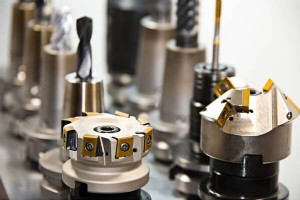
Fuzzy logic controllers are, quite literally, all around us. From anti-lock braking systems to the washing machines that clean our clothes. But do they really work? And what are the benefits of using them? Figure 1. Modern machining often depends on fuzzy logic to control critical aspects o
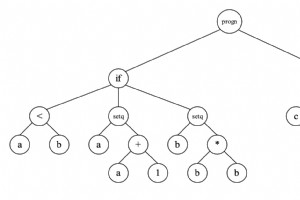
Perhaps the Holy Grail of computer science will have been discovered the day our machines can write their own programs. Genetic programming (GP) is a relatively new machine learning paradigm representing a step in that direction. GP holds a great deal of promise in the realm of

The computer revolution started with the founding of integrated circuits (IC) in the 1960s. The IC found its way into many industries over the last half-century. Today, there are various computing devices used in various sectors. Initially, software used to be the facilitator to use the hardw
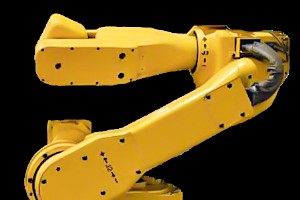
Industrial robotics has no shortage of makes, models, colors, shapes, and sizes. But when it comes to mechanical designs, many similarities are seen across all brands. Industrial articulated robot arms are often seen as the image portraying a high-tech manufacturing facility. Even the common

Owning a car used to be a fundamental part of easy transportation access. Today, one can summon a car with a phone app, and a car will be available. You need not worry about maintenance, upkeep, damages, insurance, or the like. This is possible by services like Uber and Lyft, called transportation-
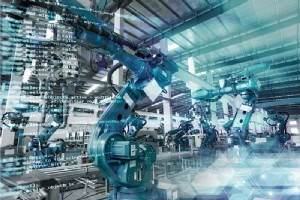
The First Industrial Revolution started in the 18th century with the invention and advancement of steam engines. Further technological advancements brought about mass production and automation. These technologies represented the first three evolutions of the industrial revolution, with Industry 4.0

At this point in the genetic programming (GP) series, we've learned about what genetic programming is and how it represents information, how genetic operators work in evolutionary algorithms, and worked through evolving a sorting program through symbolic regression. Here, we'll take a high-
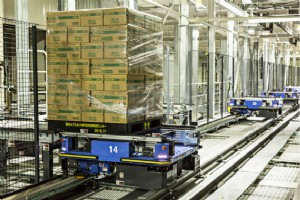
Laser distance sensors have numerous uses in the robotics and automation industries. They can span many different facets of the industry, but this article focuses on cell retrofits for outdated technology using laser distance sensors as position sensors. These sensors can be extremely accurat
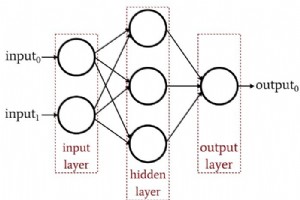
We can greatly enhance the performance of a Perceptron by adding a layer of hidden nodes, but those hidden nodes also make training a bit more complicated. So far in the AAC series on neural networks, you've learned about data classification using neural networks, especially of the Pe
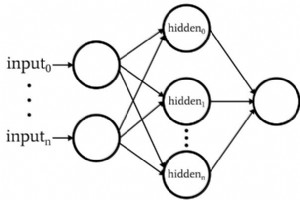
In this article we present the precise equations used for weight‑update calculations and explain how backpropagation enables a multilayer perceptron (MLP) to learn from data. Welcome to AAC’s comprehensive machine‑learning series. Catch up on the series so far here: How to Perform Classification Us
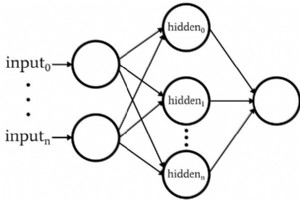
Building a Perceptron for Classification: Architecture, Bias, and Activation Welcome to the All About Circuits neural‑network series. Our previous posts have covered the theoretical foundations of neural networks: How to Perform Classification Using a Neural Network: What Is the Perceptron? How to
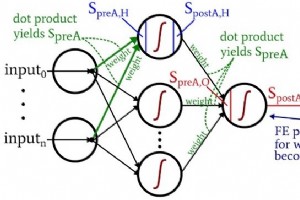
This article walks you through a Python program that trains a neural network for advanced classification. This is the 12th entry in AAC's neural network development series. See what else the series offers below: How to Perform Classification Using a Neural Network: What Is the Perceptron? How
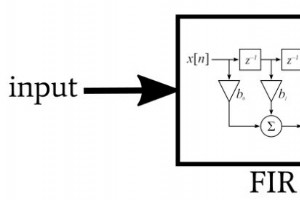
Why Validation Matters in Neural‑Network‑Based Signal Processing In this continuation of AAC’s neural‑network series, we dive into the crucial role of validation when applying neural networks to real‑world signal‑processing tasks. How to Perform Classification Using a Neural Network: What Is the Pe
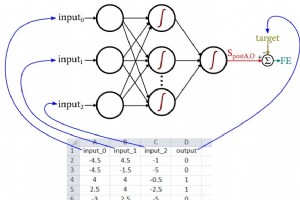
In this article, we’ll show how to generate training data in Excel, train a multilayer perceptron in Python, and validate its performance. If you’re looking to develop a Python neural network, you’re in the right place. Before diving into the Excel‑based data preparation, consider reviewing the res
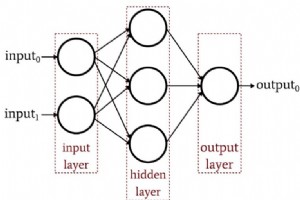
This article offers evidence‑based guidelines for configuring the hidden portion of a multilayer Perceptron. In previous posts of this series we covered Perceptron networks, multilayer architectures, and practical Python implementations. Before deciding on the depth and breadth of your hidden layer
Industrial robot
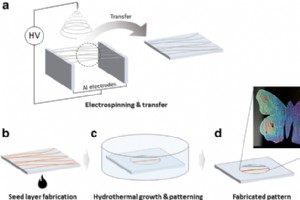
Engineering Angle‑Dependent Structural Color Patterns with Aligned ZnO Nanofibers
How Nanoparticle Size and Agglomeration Influence Interfacial Strength and Tensile Performance in Polymer Nanocomposites

Mesh Network Topology for M2M: Benefits, Challenges, and Best Use Cases
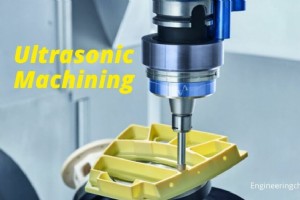
Ultrasonic Machining Explained: High‑Frequency Vibration Precision Removal

