


Industrial manufacturing
Industrial robot
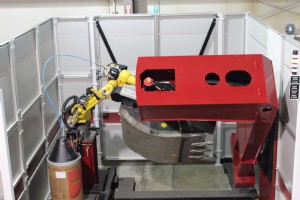
Robotic Welding: Process Optimization with IIoT The future of manufacturing is connectivity. It’s only a matter of time until high-connectivity devices become mainstream in the manufacturing sector, and for good reason. The industrial internet of things (IIoT) – or in other wor
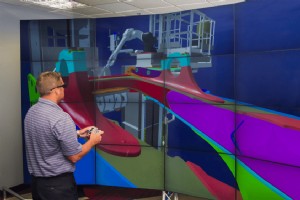
Virtual solutions for robot simulation have been around for a long time, but they weren’t always popular. Before the late 80s, when there weren’t many robots and each one was extremely expensive, robot simulation was common among research groups. Then, in the 90s when robots be

Robotic welding, by nature, provides the most productivity in high-volume, repetitive applications. In these types of situations, little programming and tooling change is required, and uptime remains at very high levels. The problem is that not all applications are prime target
Laser welding has proven to be a highly successful investment for a number of manufacturers, reducing post finishing processes and cycle times while creating productivity and return on investment (ROI). In certain applications, it can prove to be extremely valuable when compared to oth

The automotive manufacturing industry has long been one of the quickest and largest adopters of industrial robotic technology, and that continues to this day. Robots are used in nearly every part of automotive manufacturing in one way or another, and it remains as one of the most highl
Robot simulation capabilities are expanding every day, becoming a key part of the integration process for robot integrators with the technical savvy to leverage this technology. Robot simulation software provides many advantages over traditional CAD systems and features much more funct

Automation is a key component of manufacturing competitiveness, spurring the rapid pace of innovation. As the complexity of robotic automation increases, so does the value of specialized expertise in robotic integration. The Robotic Integration Blog from Genesis Systems is here to pro
If you want to automate robotic welding processes in your facility, there are a number of options available to you. More than likely, a robotic systems integrator will determine what equipment is needed to automate your welding operations, but knowing your options can help make
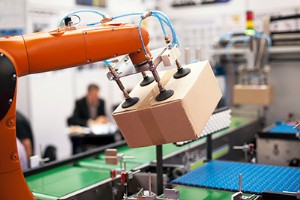
The 2020 coronavirus pandemic exposed the fragile nature of the world’s supply chains. And the shortages of essential products weren’t just the fault of hoarders stockpiling staples. Suppliers quickly found themselves challenged with high demand as lockdowns went into place. A
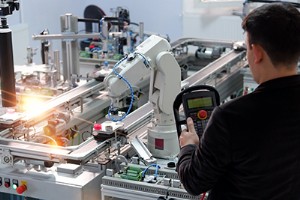
Consumers are more open to robots boosting productivity at their homes than ever before. Automated devices like pool cleaners and lawnmowers are giving people more time to do what they want. Appliances like dishwashers and washing machines are equipped with more options so cons
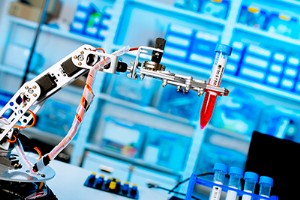
Robots have come a long way since their invention and so have their movements. The advancements in the precise movements of robots have contributed to their adoption into the manufacturing arena. Advancement in Robotic Movements When the first robot arm was built, it had a lot
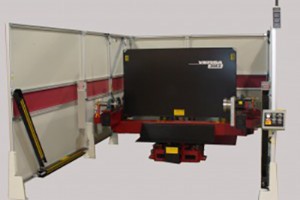
Adding a new automation solution can provide an instant boost to your facility’s production. But if you have researched automation, you know it takes time and expertise to configure the proper robotic workcell. Integrators like Genesis Systems have designed a selection of preco

Robots have been selected to help humans with dangerous, dirty, and dull jobs. Since the first automation solution was deployed, robot manufacturers and integrators have put robot safety at the forefront of their development. Sensors Help to Make Robot Workcells Even Safer The
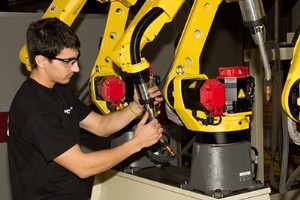
Whether you’re a first-time robot buyer or have purchased automated solutions in the past, you’ll need to pick the right robot integrator for your next robotics purchase. But how do you know what to look for in a robotic system integrator? Why You Need a Robotic System Integrat
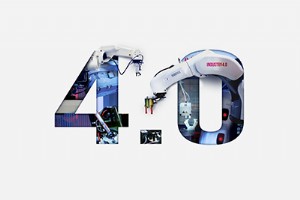
An innovative manufacturer is always on the lookout for an edge on the competition. Otherwise, they’ll end up being the business that falls behind. If you have production facilities that have invested in robotics, you know that improving your automation is a never-ending task.

Recent improvements in robotic technology, as well as changing customer demands, have led to new trends in end-of-arm tooling (EOAT). Learn how these trends affect the way your production line will use EOAT and the changes you’ll need to make to future-proof your robotics equip
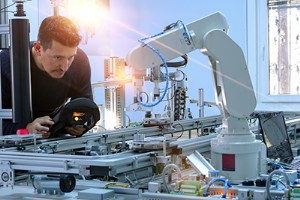
Automation industry experts all seem to agree that the future of collaborative robotics is looking better every day. The market is expected to grow fast over the next decade with future growth even beyond that. Robot manufacturers are quickly adapting to customer demands. Engin

Industry 4.0 has ushered in a new era of efficiency and productivity for manufacturers around the world. And the industrial internet of things (IIoT) is arguably the most impactful facet of this current industrial revolution. What is the IIoT and how can it serve your productio
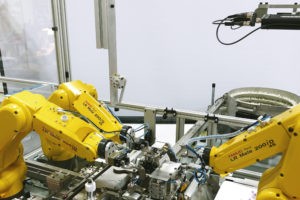
By Eric Anderson What It Takes to Create a Custom Medical Tube Handling and Assembly Machine It can be challenging to design and build an automated machine to assemble medical devices that use extruded medical tubing. Extruded tubing can have a mind of its own and the de
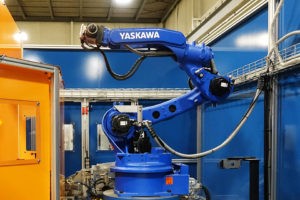
Robotic arms are on the rise, with many manufacturers seeking to automate tasks to increase speed and productivity and improve accuracy. Specifically, six-axis, selective compliance articulated/assembly robot arms (SCARAs), and Cartesian robots are among some of the most commonly used
Industrial robot
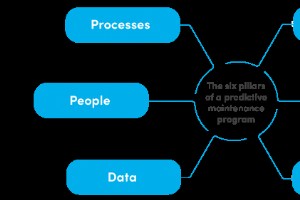
A Practical Guide to Building a Robust Predictive Maintenance Program
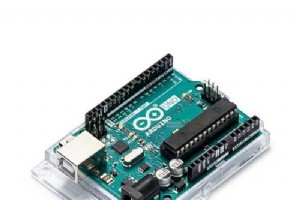
Build an Arduino Calculator with 16x2 LCD and Keypad
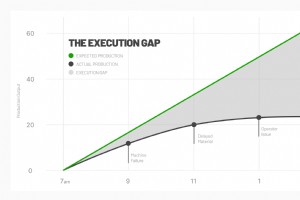
Tracking Manual Workflows in Manufacturing: Overcoming Visibility Gaps

Automatic Identification & Data Capture (AIDC): Enhancing Accuracy, Efficiency, and Visibility in Manufacturing & Logistics

