Industrial manufacturing
Industrial robot
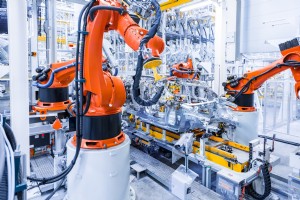
Absolutely not. Industrial robots do what they are designed to do extremely well. High speed, high repeatability, heavy payloads, and more. There are many reasons why industrial robots are here to stay. True they are dangerous which is why they are behind guarding to protect workers from injury.

The year 2020 has been an eventful one for every industry, especially the manufacturing sector. Progress with smart technology and other technological advancements have helped to further optimize the means of production. The COVID-19 pandemic has rocked the global economy, causing massive supply

The effects of the COVID-19 pandemic have permeated throughout nearly every sector in the global economy, leaving few industries unscathed. Manufacturing was hit hard since the origin of the virus, China, is a country that supplies many raw materials to manufacturers across the globe. As an added
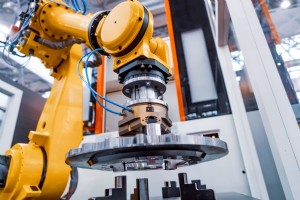
As industrial robots become faster, smarter, and cheaper, more and more companies are beginning to integrate this technology in conjunction with their workforce. This doesn’t mean that robots are replacing humans, though. While it is true that some of the more undesirable jobs are being filled by
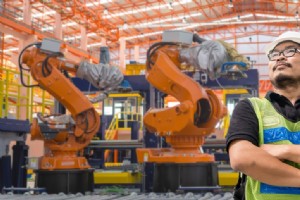
Advanced robotics technology has come a long way from when the first robotics hit factory floors in the early 1960s. Today’s robots are more intelligent and versatile, and able to go to work with little to no human intervention. And, like anything that’s not fully understood, the rapid advancemen

Utilizing robots in manufacturing facilities has been a much-debated topic of increasing importance over the last decade. As robotics continue to be incorporated in the manufacturing process, one point to consider is how such advanced technologies impact the role of the manufacturing worker – espe
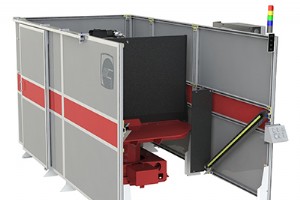
With the growing popularity of collaborative robots, people are becoming more and more comfortable with robots and robotic automation. But you might wonder, why are some devices still contained in workcells for automated robotics? Are those robots more dangerous than others? No
Robotic welding is one of the newer automated technologies used in U.S. manufacturing. Even though it has a great track record, you might be concerned with laser welding safety if you use it in your facility. And with good reason. Precautions are often taken seriously, but if you’re no
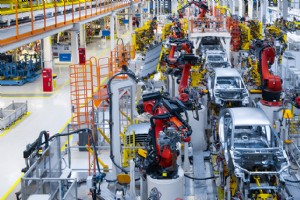
The automotive manufacturing industry has long led to the implementation of robots and other automation solutions. Automakers rapidly learned to appreciate the efficiency, flexibility, and dependability of having robots on the assembly line. It’s true that the addition of new t
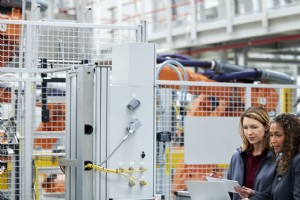
If you’ve thought about how to best build out a workcell for your automation process, you may want to consider a pre-engineered robotic workcell. These standardized units are already fully designed to serve your needs for automated welding, cutting, and assembly. Pre-engineered
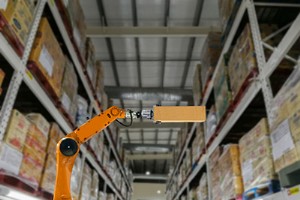
When looking at a robot arm, most engineers and operators notice a critical part of the system, the end-of-arm tooling. The end-of-arm tooling can directly manipulate the parts and components being produced or processed. Although many types of tooling appear similar, even the s
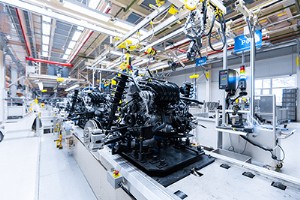
Automotive manufacturing has used robotic automation on the assembly line just about as long as any other industry. The world’s automakers have pioneered some of the newest automated technologies, including robotic welding, collaborative robots, and Automated Guided Vehicles (A
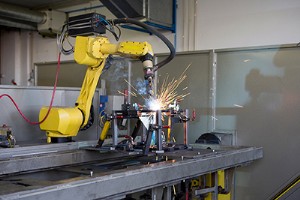
Robotic welding isn’t just for the largest manufacturers anymore. Small business automation is booming in popularity. Can your small business really benefit from a technology like robotic welding? Is it really the best place for capital investment? Is there a good Return on Inv
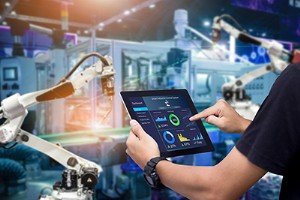
In recent years, the manufacturing industry has been hit with manufacturing challenges on a scale never seen before. The global economy is fragile and production facilities have felt the impact of the recent downturn by losing the demand, the supply chain, and the workforce the
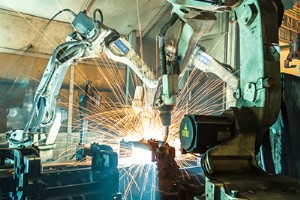
Manufacturers in the aerospace industry build some of humankind’s most advanced technology every day. And if you asked most consumers to guess what an aircraft production line looks like, they’d probably describe something similar to an automotive assembly line. But at the mome
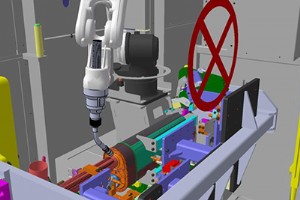
Robotic automation solutions can often bring increased efficiency and speed to any process. But that does not mean that automation is always the best answer. A design can look great on paper but present challenges when constructed. So many variables exist when it comes to hardw
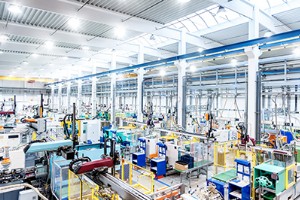
The Industry 4.0 rollout is a top priority for many companies as they look to connected manufacturing to solve problems that plague their production facilities. Unprecedented levels of automation, digitization, and data integration may not only fix issues on the assembly line b
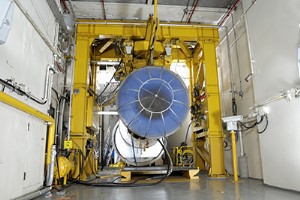
Passenger needs and new technologies are increasing the pressure on aerospace manufacturing companies to implement automation to stay competitive. Aircraft design, build processes, and the aerospace supply chain have all undergone significant changes to accommodate market deman
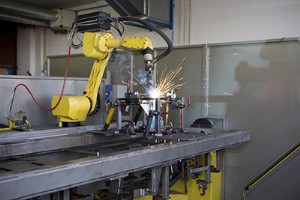
Manufacturers all over the world are speeding up production lines thanks to robotic welding. Not only do welding robots quicken the pace, but they offer an excellent return on investment. Thanks to this booming popularity, the need for robot programming in facilities where auto
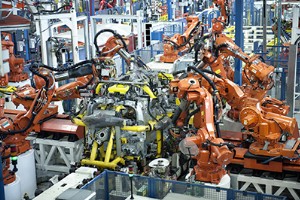
Now that 2020 is officially here we’re not only starting a new year but a new decade. These past ten years have seen many impressive advances in not just robotics and manufacturing technology, but technology in every industry. Given the astounding progress we saw from 2010 to 2
Industrial robot