



Skilled Labor Crisis: Immediate Action or Permanent Shortfall?
As the pandemic’s immediate pressures subside, manufacturers who once struggled to meet demand find relief—but the root cause of labor scarcity is worsening. Demographic shifts, a shrinking pool of skilled workers, and a gap between current training and emerging technologies are eroding the manufacturing labor supply. This trend threatens long‑term productivity and competitiveness. Understanding generational change is the first step. Workers born after 1995—often called Gen Z—bring digital fluency, but they also demand flexible careers and rapid skill development. Addressing this mismatch requires proactive technology adoption, up‑skilling initiatives, and partnership with educational institutions. When the industry returns to “normal,” the same patterns that once caused shortages will re‑emerge unless the workforce is strategically modernized. Investing in workforce analytics, AI‑driven training, and cross‑generational mentorship can unlock productivity gains and stabilize supply chains.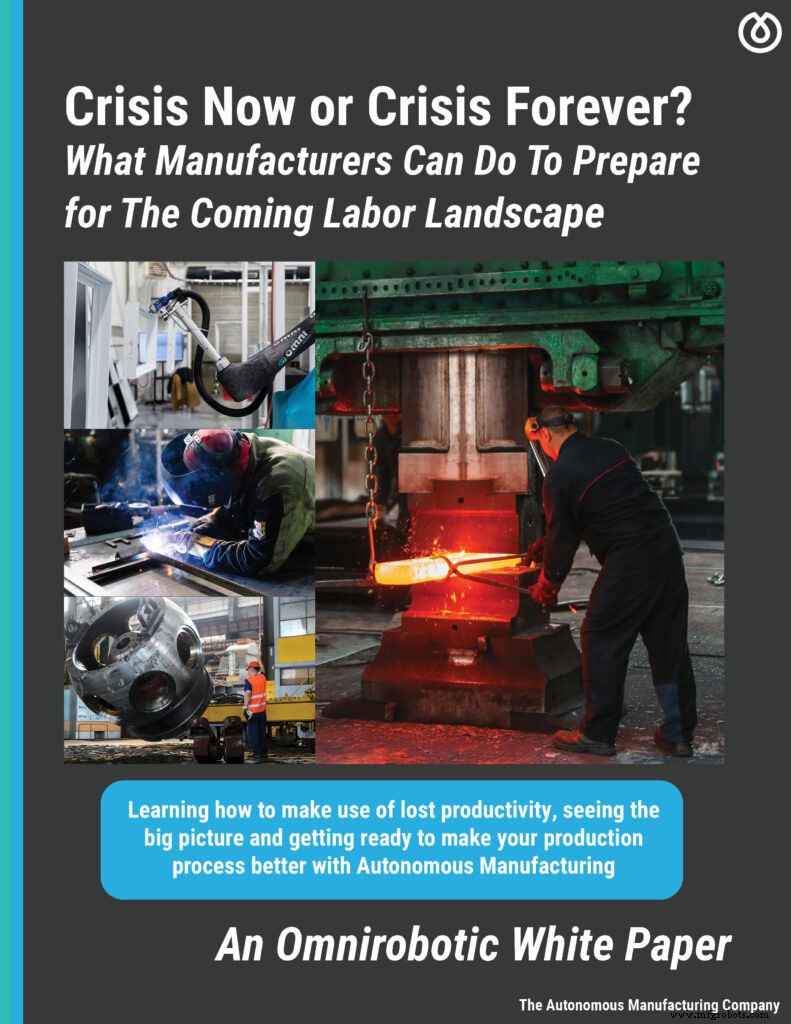
* These fields are required.
Industrial robot
- Bracing for a Skilled Labor Shortage: Strategic Actions for Manufacturers Through 2040
- Avoid a “Lost 2021”: How Manufacturers Can Beat Labor Shortages and Boost Productivity
- VHDL Basics Quiz – Part 4: Verify Your Understanding
- Advanced VHDL Proficiency Quiz – Part 3
- Advanced VHDL Quiz – Part 2: Test Your HDL Expertise
- Bridging the 3D Printing Skills Gap: Insights from the 2024 AMUG Conference
- Leading Indian Manufacturers of Robotic Welding Machines
- Fastest Robot Arms: A Comprehensive Speed Comparison
- White Paper: Solving the Labor Shortage – Harnessing Millennial & Gen Z Talent
- White Paper: Rittal's Industry 4.0 Philosophy – Shaping Future Manufacturing