



Wireless Charging Breaks Flight Time Limits for Drone Fleets
Large enterprises are racing to deploy commercial drone fleets, but battery limits still cap flight time. The key to unlocking longer missions lies in efficient, flexible recharging—an area where WiBotic is leading the charge. Founded four years ago, WiBotic has secured $5.7 million in Series A funding from investors such as Junson Capital, SV Tech Ventures, Rolling Bay Ventures, Aves Capital, The W Fund, and WRF Capital.
WiBotic’s portfolio covers wireless charging and power‑optimization for aerial, mobile, marine, and industrial robots. Their patented Adaptive Matching technology blends inductive coupling and magnetic‑resonance principles to deliver high‑power, reliable charging across several centimeters of vertical, horizontal, and angular offset—a critical advantage for drones that can’t position themselves precisely.
Beyond hardware, WiBotic’s software libraries monitor battery parameters in real time and schedule recharge cycles, ensuring multiple robots can share a single transmitter without downtime. This integration of firmware, firmware, and cloud APIs allows operators to maintain fleet uptime and reduce operating costs.
Wireless Power Transfer (WPT) Context
WPT traces back to Nikola Tesla’s 19th‑century experiments. Modern systems use either inductive coupling—efficient only at close range—or magnetic‑resonance, which offers greater flexibility but suffers when the receiver is off‑center. WiBotic’s Adaptive Matching system dynamically tunes both hardware and firmware to keep source and load impedances matched, sustaining maximum efficiency even as the drone moves.
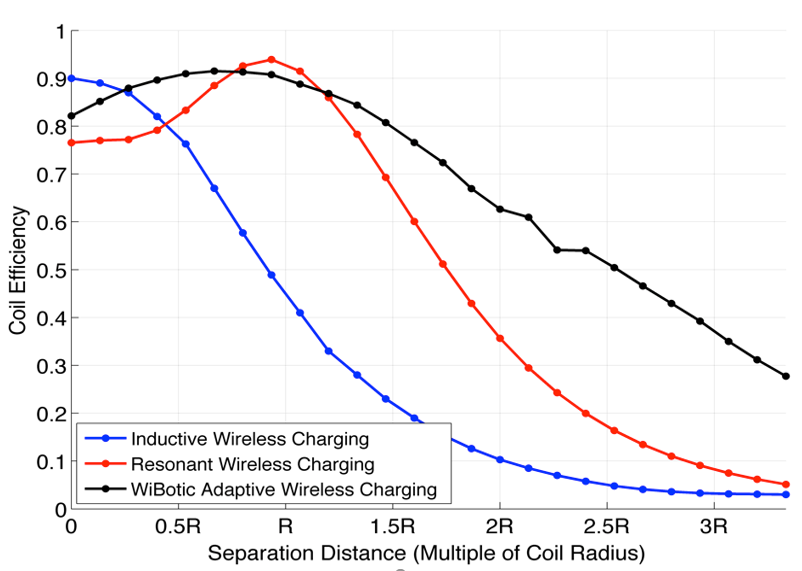
Figure 1: Comparative efficiency of WPT methods (Source: WiBotic)
Intelligent Software Algorithms
Each drone type—varying in battery chemistry, voltage, and current—requires customized charging logic. WiBotic’s energy‑optimization engine evaluates incoming units, selects optimal parameters, and allows operators to set preferences via firmware or onboard controllers. This architecture minimizes downtime and overall fleet cost.
Ben Waters, CEO, explains, “Our innovation centers on the RF amplifier’s output and the receiver’s rectifier input. We dynamically tune system impedance in real time, adapting to movement or disruptions without sacrificing power transfer.”
System Architecture
The standard charging pad measures 3 ft × 3 ft and includes an “intelligent” induction plate that identifies the drone’s battery type upon landing, automatically configuring the correct charging profile.
Four core components define a WiBotic station: a transmitter unit, transmitter antenna coil, onboard charging unit, and receive antenna coil. The transmitter delivers a high‑frequency signal via an SMA coaxial cable to the antenna coil, which generates the necessary electric and magnetic fields. The onboard charger converts the received RF energy back to DC, safely charging a wide array of batteries.
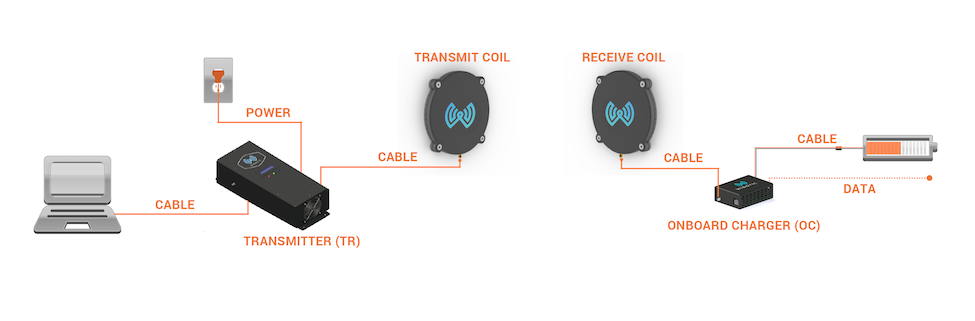
Figure 2: WiBotic architecture block diagram (Source: WiBotic)
The onboard processor is an ARM‑based STM32 microcontroller running a state‑machine and dynamic control algorithms. Rapid, low‑latency adjustments prevent system disruption when power levels exceed several hundred watts. To maximize efficiency, WiBotic incorporates GaN semiconductor technology in its RF amplifiers, enabling high‑frequency switching with minimal losses.
Partnering with GaN Systems Inc., WiBotic integrates GaN devices to meet the power and range requirements of drones and robots. The Vicor 48V VI Chip PRM Regulator powers the transmitter, accepting 48 V from an AC‑DC supply and adaptively regulating output between 20 V and 55 V.
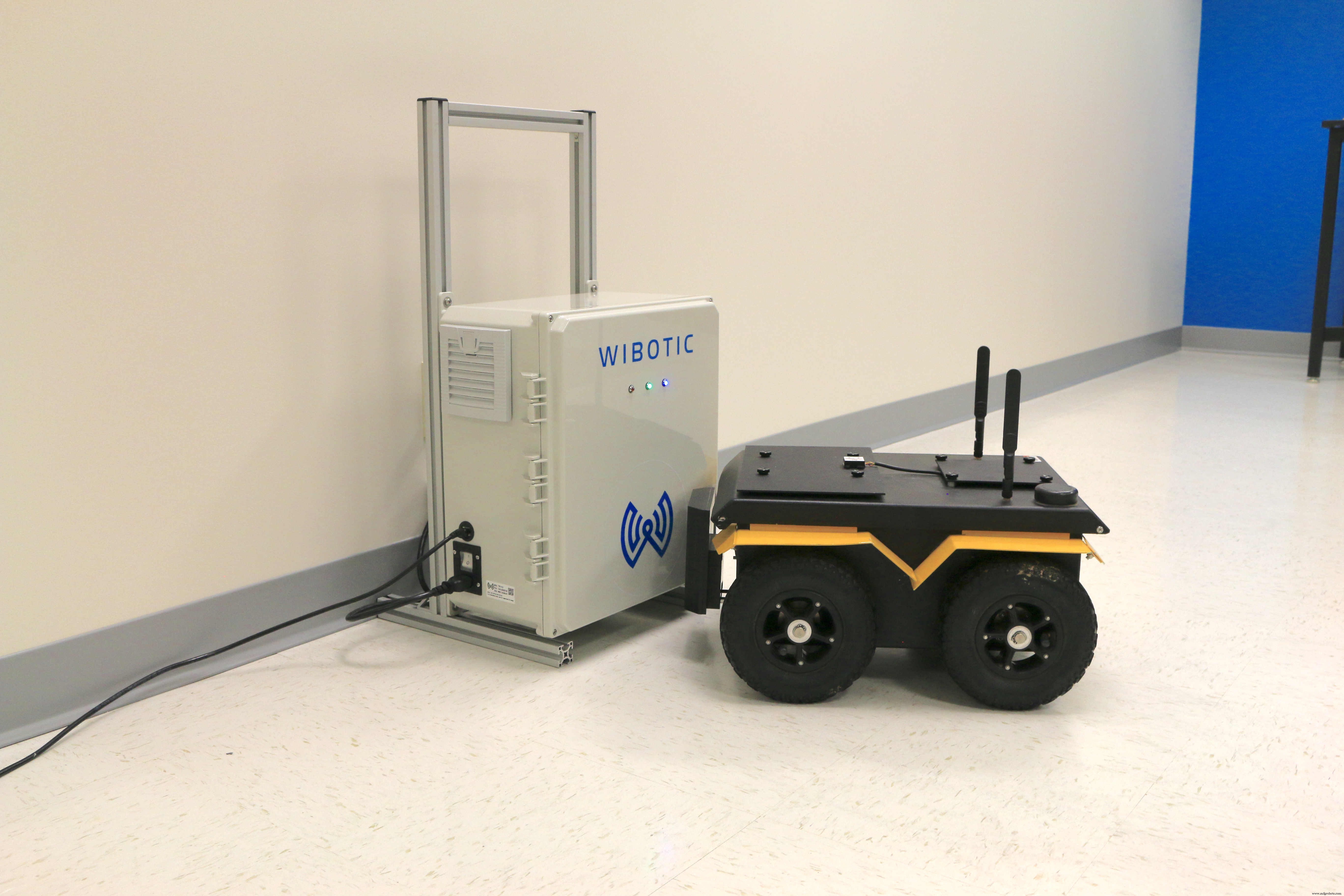
Figure 3: Robot with wireless charging (Source: WiBotic)
Matt Carlson, VP of Business Development, notes, “While we focus on robotics and industrial automation, the broader adoption of wireless charging—from mobile phones to heavy‑industry equipment—drives our innovation. We’re developing AI‑driven algorithms that learn from historical charging trends to predict future performance.”
WiBotic’s cloud‑based platform allows remote monitoring and control of the entire recharging process. Operators can schedule rapid recharges during peak flight periods or slower, maintenance‑grade charging when flight demand is lower.
Originally published on EE Times.
Embedded
- Transitioning Industrial Control Systems to Wireless Networks
- ROHM Unveils Automotive-Grade Wireless Charger with Integrated NFC for Seamless Connectivity
- Kymati: Pioneering Precision Radar Solutions for Industry and Mobility
- STM32WLE5: Low‑Power, LoRa‑Compliant SoC for Advanced IoT Devices
- STWLC68: Low‑BOM, High‑Efficiency Wireless Charging for 5G Devices
- Silicon Labs Strengthens IoT Wireless Leadership with Redpine Signals Acquisition
- Wireless Power: From Smartphones to EVs – The Road Ahead
- DUAGON-MEN-GROUP Acquires OEM Technology Solutions to Strengthen Rail Automation Expertise
- Choosing the Right Wireless Protocol for IoT Asset Tracking Solutions
- Five Lessons Learned from COVID‑19: Building Resilience for the Future