



Heated Apparel: The Leading Smart Textile Innovation, Experts Reveal
Emerging technologies frequently open new avenues for delivering customer value. In the tech world, a “killer app” is an application so compelling that it becomes the defining element of the technology itself.
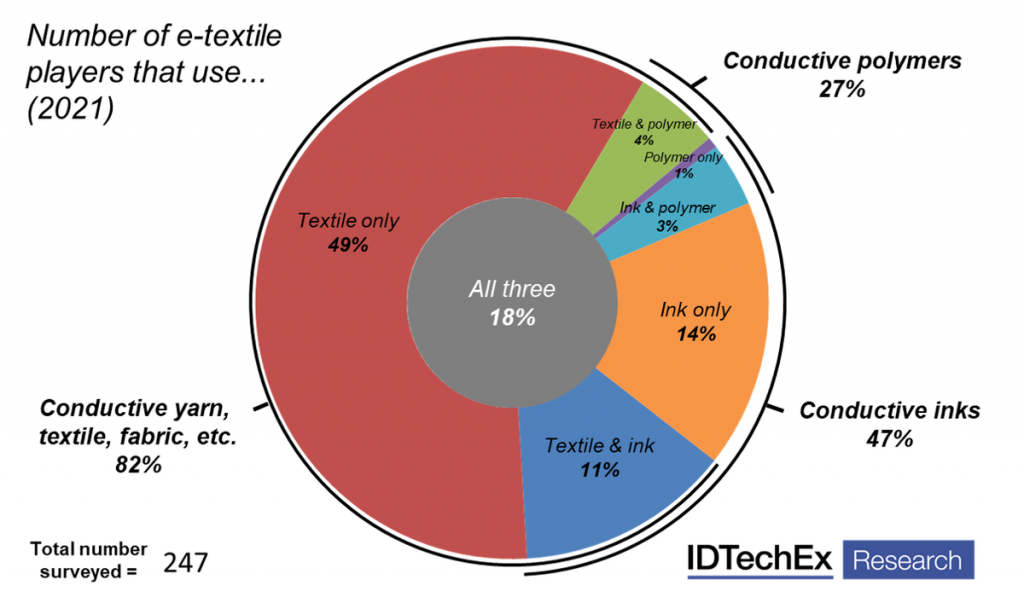
James Hayward, principal analyst at IDTechEx, notes that e‑textiles have hundreds of potential use cases currently being explored worldwide. In its latest study, E‑Textiles & Smart Clothing 2021‑2031: Technologies, Markets and Players, IDTechEx categorises key market players and emerging trends across major target segments.
While a wide array of product trends appear in the report—spanning smart home, hospitality, automotive interiors, veterinary applications, motion capture, haptic suits, and assistive clothing—physiological monitoring and active heating within apparel emerge as the top two themes.
So, which application is truly the “killer app” for e‑textiles?
The Most Successful Market?
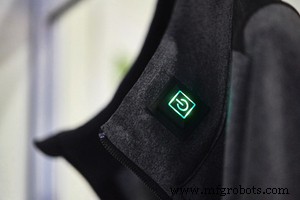
Heated apparel currently dominates the e‑textile landscape, accounting for roughly three‑quarters of annual sales revenue. Although the underlying technology has been commercially viable for over two decades, recent advances—such as higher‑capacity rechargeable batteries, novel manufacturing techniques for heating elements, and improved washability through better integration and connectors—continue to push the market forward.
The Market with the Most Potential?
Physiological monitoring represents the second most prominent trend. Embedding diverse sensors into clothing enables real‑time tracking of metrics that can be aggregated into actionable insights or advanced analytics.
Leading sports apparel, medical device, and technology companies are investing heavily in R&D, backed by significant private‑equity funding. This convergence of capital and expertise is driving progress across a spectrum of applications, from athletic wear to clinical monitoring.
However, the complexity and economic challenges of mass‑producing high‑performance smart garments have limited widespread adoption. Many firms have shifted focus from consumer wellness to medical‑grade products, which introduces additional regulatory hurdles and longer commercialization timelines. Despite these obstacles, the long‑term upside for physiological monitoring remains superior to other sectors.
The Most Sustainable Market?

Although the economic and technical barriers to high‑volume production of certain e‑textile products are significant, they also create fertile ground for a hybrid business model that blends direct product sales with design and assembly consultancy. Companies that adopt this model often enjoy longevity, maintaining profitability or at least break‑even status over many years.
Typical applications include worker‑monitoring and safety gear, smart personal protective equipment (PPE), military use cases, and specialized apparel for astronauts that tracks vital signs in real time.
The Killer App?
At present, e‑textiles has not yet achieved a singular “killer app” that drives mainstream commercial success. As Steve Jobs famously positioned the iPhone’s ability to make calls as its killer feature, predicting such a breakthrough in smart clothing remains challenging.

Over the past 25 years, the e‑textile sector has explored a wide spectrum of applications with varying degrees of success. Continued investment from major technology firms and industry leaders—combined with pragmatic, incremental development—suggests that mass‑market smart clothing will eventually become feasible as the technology matures.
For a deeper dive, IDTechEx’s comprehensive report, E‑Textiles & Smart Clothing 2021‑2031: Technologies, Markets and Players, offers detailed profiles of key players, a review of the entire value chain, and a forward‑looking market forecast.
Download sample pages or request the full report here.
The author is James Hayward, principal analyst at IDTechEx.
Internet of Things Technology
- Why Smart Buildings Struggle: The Missing Standards That Hold Them Back
- Mastering IEC Power Standards for Smart Home Appliance Design
- Design for Manufacturing: A Strategic Blueprint for Cost Efficiency and Quality
- Wi‑Fi: The Cornerstone of Smart Everything
- SaaS Adoption Surges in Product Development: Key Hurdles & Opportunities – Part 2
- SaaS Adoption Hits a Tipping Point in Product Development – Insights from PTC
- Rethinking Smart Manufacturing for the New Normal: Data‑Driven Strategies for Resilience
- Digital Thread Maturity: Unlocking Seamless Smart Manufacturing
- Fortifying Smart Devices for the Future of Work
- Maximizing ROI in Smart Manufacturing: Payback & Data-Driven Success