



Harnessing Data Visualization for IoT and AI Insights
Humans are visual thinkers. From traffic signs to dashboard displays, we instantly recognize shapes and colors, often before we read the words. This instinct extends to industrial settings, where international symbols on equipment allow operators across the globe to interpret functions without language barriers. Data visualization mirrors this universal approach, delivering critical information at a glance.
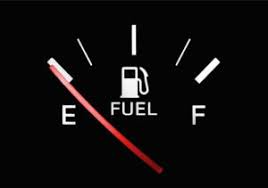
Consider the dashboard in your car. Though modern vehicles can display fuel volume in numeric form, most drivers find a simple gauge more intuitive. The same principle applies to industrial data: a well‑designed visual can convey complex IoT and AI outputs more quickly than raw numbers.
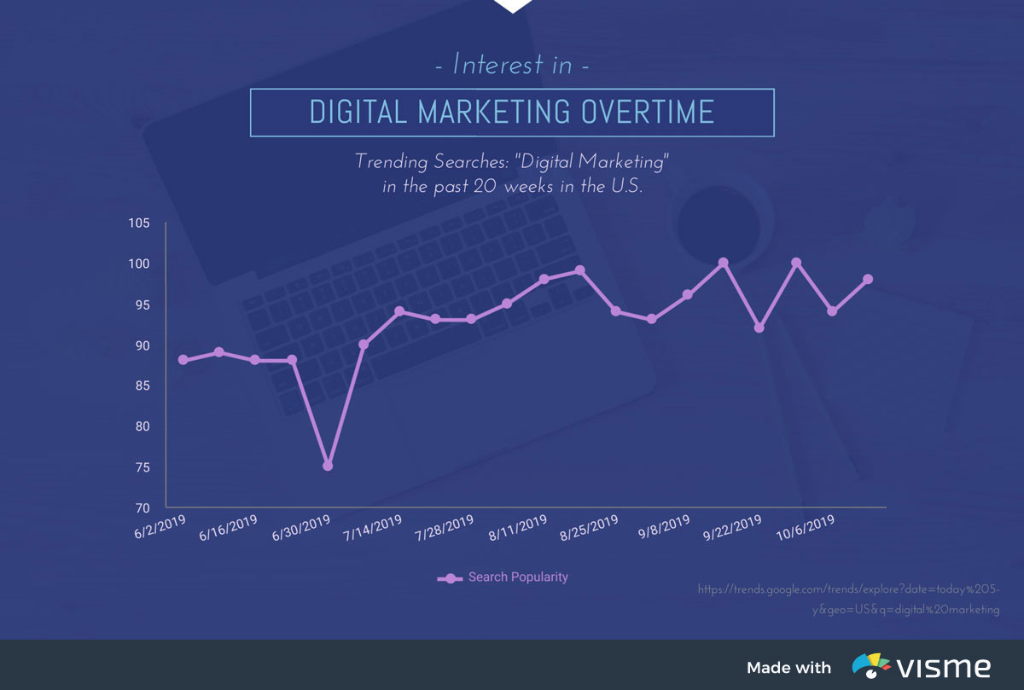
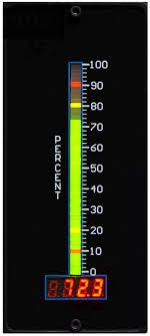
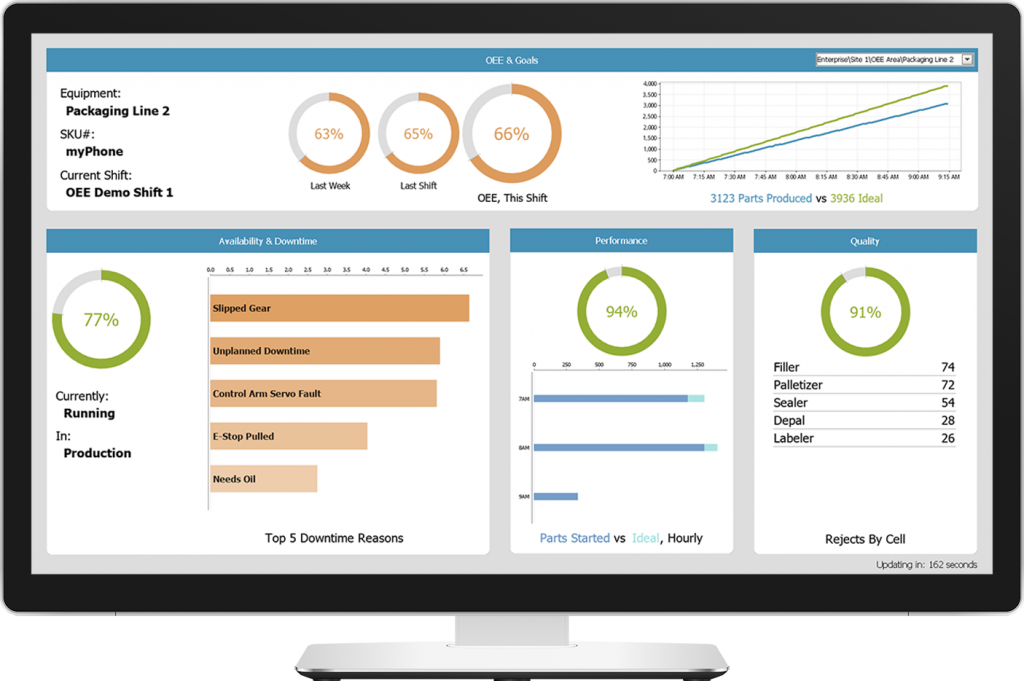
Effective visualizations turn raw data into actionable insight. For instance, bar charts can highlight warning and hazard levels, while line graphs reveal trends over time. Combining multiple chart types—bar, pie, line, Gantt, flow, scatter—provides a comprehensive view that aligns with different stakeholder needs.
Visual representation matters as much as the data itself. Poorly designed graphics can mislead, creating logical fallacies or obscuring critical information. For example, Overall Equipment Effectiveness (OEE) is often skewed by excluding unscheduled downtime. A balanced visual—such as a pie chart that segments uptime, downtime, and loss categories—offers a truthful snapshot and identifies root causes.
When designing dashboards, tailor visuals to the audience. Operators benefit from real‑time metrics that influence their immediate actions, while executives and sales teams require aggregated performance indicators that inform strategy. Clear, context‑appropriate visuals prevent misinterpretation and empower informed decision‑making.
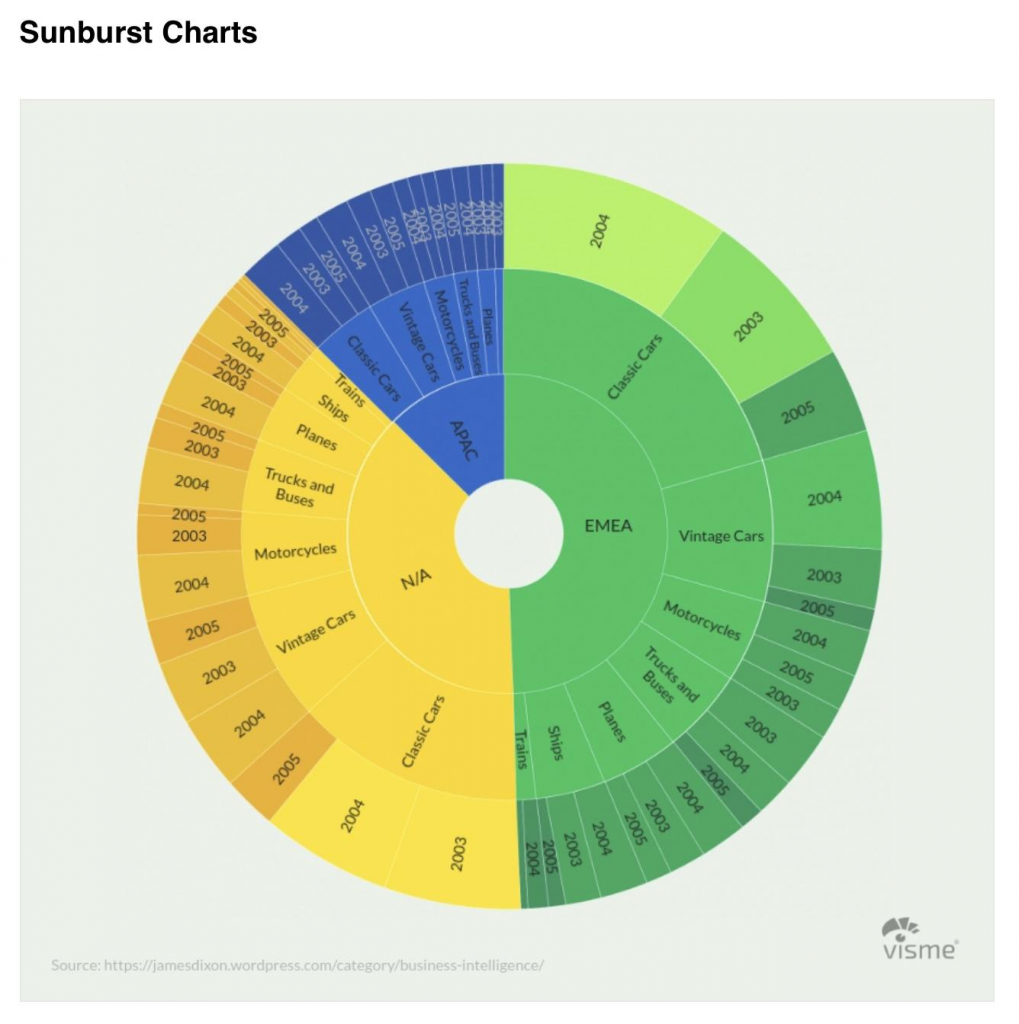
Advanced visualizations like sunburst charts drill down from broad categories (e.g., tooling) into sub‑tasks (e.g., sharpening, pin replacement). This hierarchical approach retains overall context while delivering granular insight.
High‑resolution displays now support intricate detail without sacrificing quick-glance readability. By integrating multiple chart types, maintenance teams can visualize equipment status—illustrating valves, motors, and tanks with accurate imagery that enhances comprehension and speeds response times.
Research in cognitive psychology, such as the Stroop Effect, demonstrates the importance of multi‑modal information presentation. Combining textual labels with corresponding icons or images reduces cognitive load and improves recall.
In summary, data visualization transforms raw IoT and AI outputs into actionable, trustworthy insights. By leveraging best practices—clear design, audience‑specific content, and accurate representation—organizations can drive operational excellence and maintain a competitive edge.
Author: Joseph Zulick, Writer and Manager at MRO Electric and Supply.
Internet of Things Technology
- MQTT vs. DDS: Choosing the Right M2M Protocol for IoT
- Emerging Trends in IoT Platforms for 2018: Edge Computing, Blockchain, and More
- IoT Fuels Data Analytics: A Practical Guide for Business Success
- Is Your Manufacturing Facility Ready for IoT? A Practical Guide
- Turning IoT Data into Business Value: A Practical Guide
- Maximize ROI on Your IoT Investments: A Practical Guide
- Harnessing IoT Data for Manufacturing Excellence
- Harnessing Data Visualization for IoT and AI Insights
- Fog Computing Explained: Transforming IoT Data Flow and Reducing Cloud Load
- Cybersecurity for Manufacturers: Why It Matters and How to Stay Safe