



Scaling Industrial IoT: The Role of Data‑Centric Gateways

During a recent Connext Podcast episode, industry experts Rajive Joshi and Fernando Crespo‑Sanchez highlighted the hurdles of building and scaling connectivity in Industrial IoT. Their discussion underscores how a data‑centric connectivity framework—where applications interact directly through data—addresses the complex blend of performance, fault tolerance, security, and interoperability required in IIoT deployments.
They also spotlighted the layered databus architectural pattern described by the Industrial Internet Consortium (IIC) in its Industrial Internet Reference Architecture (IIRA). This hierarchical pattern is applicable across multiple sectors, enabling fast, reliable, and scalable integration between edge autonomy functions and higher‑level control, monitoring, and management systems. For more details, explore the IIC website.
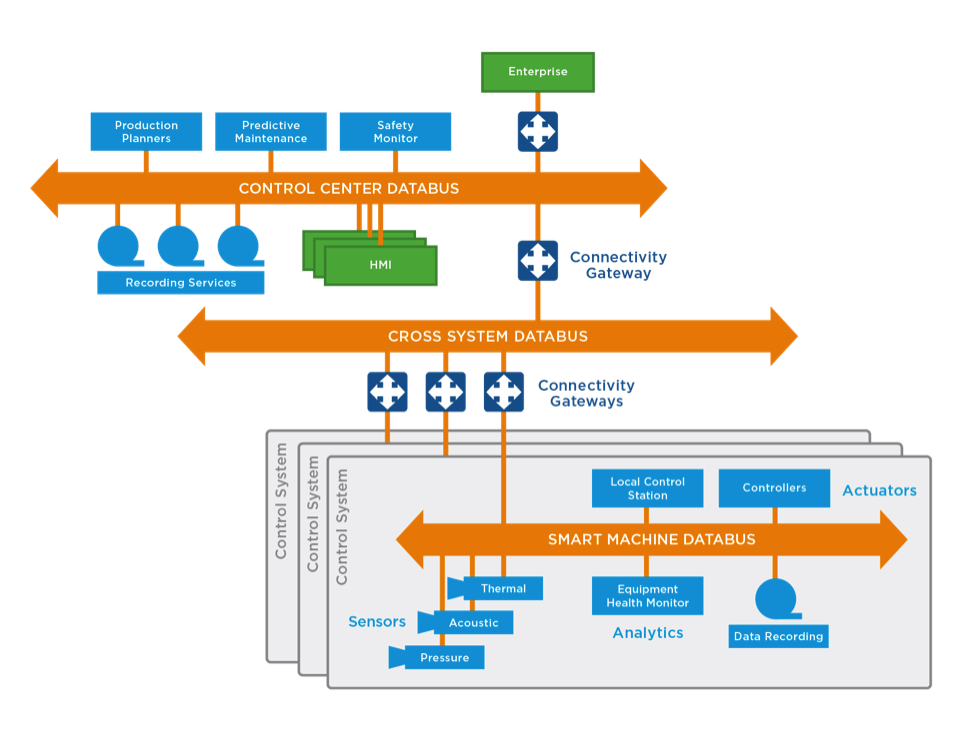
The layered databus architectural pattern
Enabling the Layered Databus: RTI Routing Service
RTI Routing Service, a core component of the Connext Product Suite, acts as a data‑aware gateway that routes information to the appropriate domains based on routing rules and data filters. This intelligence ensures that each subscriber receives only the data they need. For instance, one subscriber might demand high‑definition video from multiple cameras every 30 ms for sensor fusion, while another updates a single HMI value once per second, and a third archives all layer traffic for post‑mission analysis.
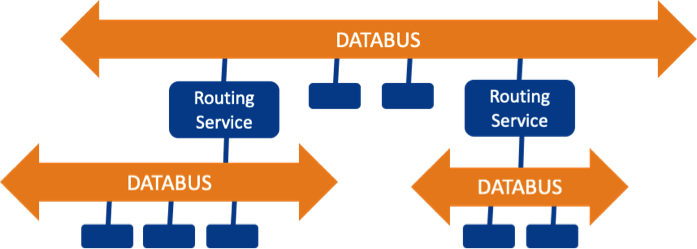
The RTI Routing Service integrates different layers of an IIoT system
By filtering traffic per subscriber, Routing Service prevents network congestion caused by the massive data volumes typical of industrial environments.
Connext 6 – Next‑Generation Routing Service
We’re excited to announce the upcoming release of Connext 6, slated for general availability in Q1 2019. Visit our website, blog, and podcast for the full release notes. Among the new features, the next‑generation Routing Service stands out. It offers greater flexibility, improved performance, and a simpler configuration workflow. Support for routes with multiple inputs and outputs lets the same data be efficiently delivered to several destinations.
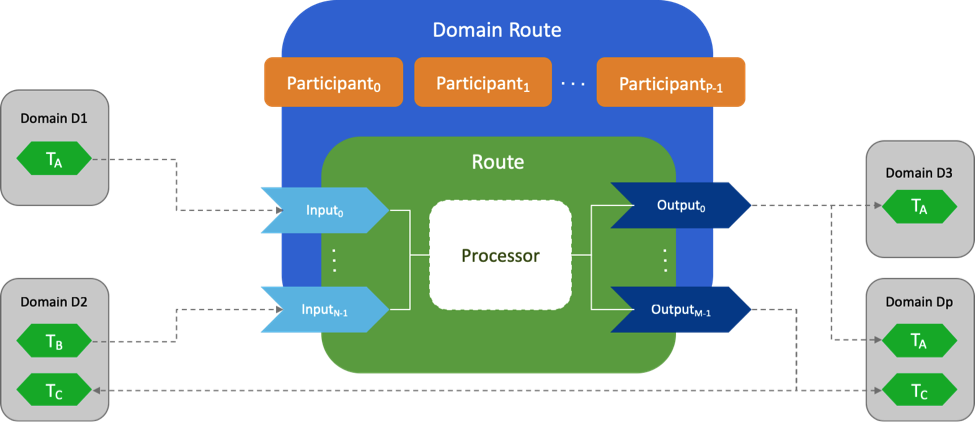
RTI’s next‑generation Routing Service supports routes with multiple inputs and outputs
Inside the service, a revamped Processor API enables advanced data transformations—both standard and user‑defined—right as data flows through a route.
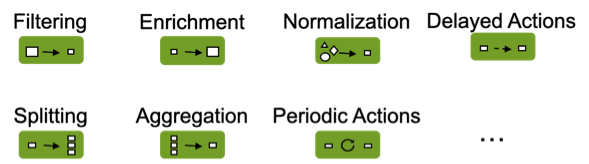
The enhanced Processor API in Routing Service supports both standard and user‑defined data transformations
The new Routing Service’s monitoring infrastructure is lightweight and non‑intrusive, all managed via a visual diagram‑based interface in the RTI Administration Console.
Notably, this architecture also underpins Connext 6’s new Recording & Replay Service, which will be covered in a separate discussion.
Wrapping Up
We’ll keep you informed as Connext 6 approaches its release, featuring the upgraded Routing Service. In the meantime, we’re offering preview access to select customers. If you’re interested, please reach out—we’d love to hear from you.
Internet of Things Technology
- Synchronizing Consistency in Industrial IoT: Choosing the Right Model
- How IIoT Standards Are Empowering the Next Generation of Smart Cities
- Connext DDS 5.3 Now Live: The First Connectivity Platform for Industrial IoT Systems of Systems
- A Practical Taxonomy for Industrial Internet of Things (IIoT) Systems
- How 5G Will Transform Industrial IoT: Unlocking Faster, Safer, and Smarter Factories
- Why Automation Is Essential for Scaling 3D Printing Service Bureaus
- 8 Common Pitfalls of Service Technicians and Proven Strategies to Avoid Them
- How SCADA Systems Operate: Monitoring and Controlling Industrial Processes
- How 5G‑Enabled IIoT Drives Rapid Industry 4.0 Adoption
- Boost IT Performance: Leveraging AIOps & Observability to Reduce Downtime & Enhance User Satisfaction