



LTE‑M1 eDRX & PSM: How Low‑Power, Long‑Range IoT Gains Multi‑Year Battery Life

LTE‑M1 is the 3GPP standard that brings true low‑power, long‑range connectivity to the Internet of Things (IoT) without the need for new infrastructure. By simply upgrading firmware, inexpensive radio chips can tap into the existing LTE network, delivering both coverage and reliability.
Two core innovations make LTE‑M1 especially attractive for battery‑constrained devices: Extended Discontinuous Reception (eDRX) and Power Saving Mode (PSM). Together they can extend battery life from a few years to over a decade.
LTE eDRX
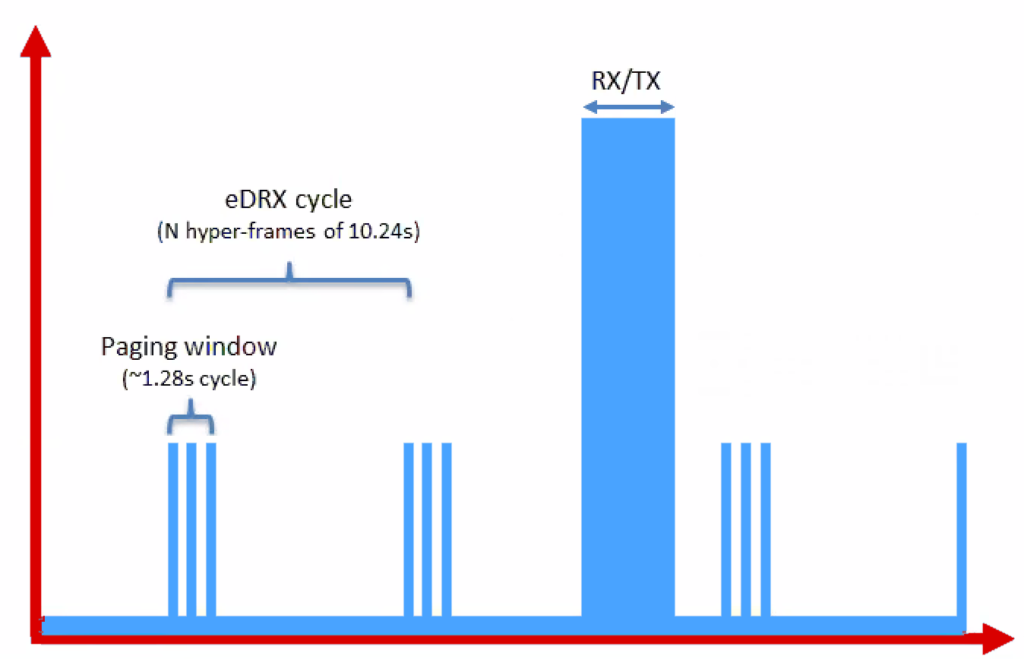
In standard LTE, a device wakes every 1.28 seconds to listen for paging messages. eDRX lets the device request a longer “hyper‑frame” interval of 10.24 seconds, and the network can grant up to 40 minutes of sleep. For a typical water‑meter or agricultural sensor that transmits once a day and checks for uplink commands every 10 minutes (60 hyper‑frames), two AA batteries can power the unit for approximately 4.7 years.
LTE PSM
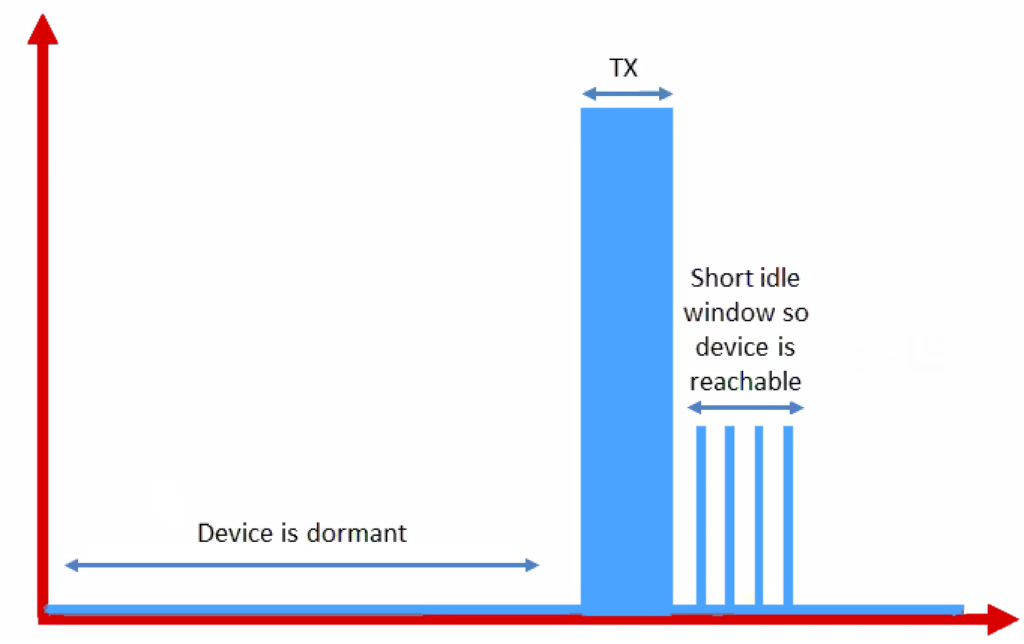
Power Saving Mode is a dormant state that a device enters voluntarily. While in PSM the UE consumes negligible power—often lower than Sigfox or LoRaWAN modules because LTE‑M1 operates in licensed spectrum with less interference. After the scheduled transmission, the device remains in receive mode for four idle frames, ensuring it remains reachable if the network needs to contact it.
A daily‑transmitting LTE‑M1 device in full PSM can achieve battery life well beyond ten years on just two AA cells.
Major vendors such as Verizon and Sequans are accelerating LTE‑M1 deployments in the United States.
If you’d like to learn how LTE‑M1 can power your next IoT solution, contact us or tweet @LinkLabsInc.
Internet of Things Technology
- Industrial IoT Security: Key Trends and Best Practices for 2020
- Edge & Cloud Computing in IoT: A Concise Evolutionary Overview
- Verizon and AT&T Deploy LTE‑M1 to Power Nationwide IoT Coverage
- LoRaWAN Use Cases, Limitations, and How Symphony Link Enhances Industrial IoT
- How Connected Sensors and Smart Processors Power Industry 4.0
- Cloud Notify: How to Turn Machine Data into Real‑Time Alarms and Notifications (Video Guide)
- Designing IoT Devices for LTE and NB‑IoT: Expert Insights on Antenna Integration and Certification
- Unlocking Industry 4.0: How 5G & LTE Transform IoT in Manufacturing
- Synergizing Industry 4.0 and IIoT: Driving Digital Transformation in Manufacturing & Beyond
- Metallurgical Glossary: Essential Terms Every Fabricator & Machinist Must Know