



Wireless Commissioning: Accelerating Smart Building Deployments
Wireless technology is supplanting manual, error‑prone commissioning in wired smart‑building networks, enabling a single‑scan setup of end nodes.
Buildings are increasingly adopting wireless solutions, delivering significant value to occupants while creating new revenue streams for installers and OEMs. By selling not just hardware but also data and security services, manufacturers can generate recurring income long after the initial sale.
Historically, the installation phase was the sole touchpoint between a vendor and a building owner. Today, distributors focus on ongoing maintenance and upgrades, which demands a more efficient installation workflow and reduces the need for labor‑intensive wired setups.
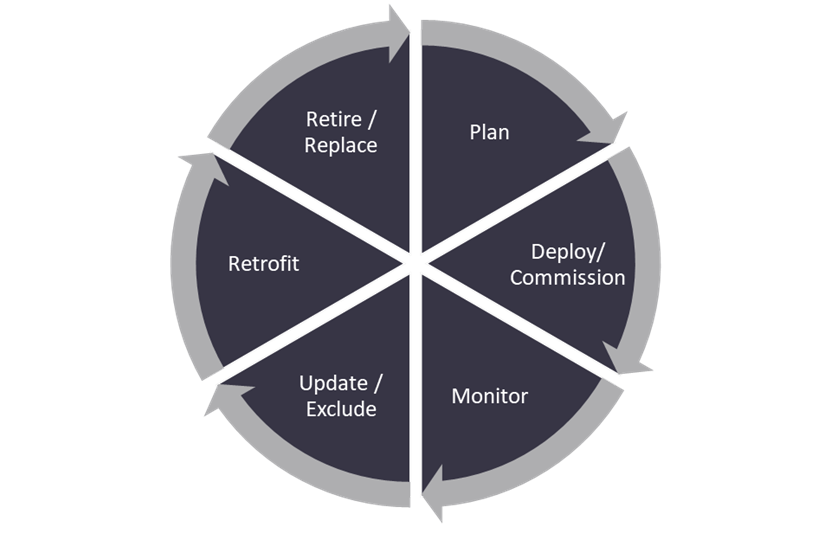
Figure 1: Wireless connectivity drives profitability across the device lifecycle in smart buildings. Source: Silicon Labs
Deploying a wired network of sensors and controllers—access control, HVAC, energy management—requires extensive planning and cabling. Wiring limits the number of nodes a network can support; an installer might provision thousands of devices initially, but dense sensing environments can push numbers into the millions, quickly exceeding the wired capacity.
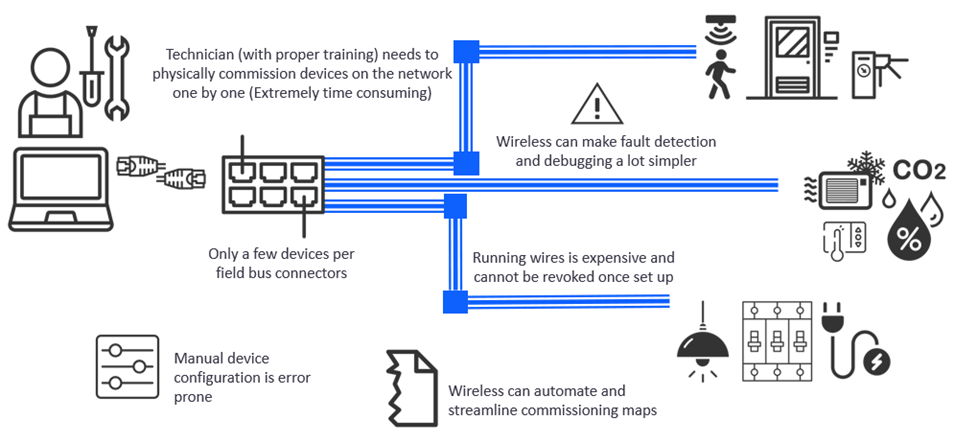
Figure 2: Wired setups in smart buildings offer limited scalability. Source: Silicon Labs
Commissioning such a network is cumbersome: a highly skilled technician must traverse the building to locate every network hub and then manually connect each of the 50‑plus devices attached to it. The process is time‑consuming and prone to human error, with installers reporting that more than 80 % of their time is spent correcting mistakes that could have been avoided through automation.
Dynamic environments call for wireless adoption
When upgrades or retrofits are needed, existing wiring can become a bottleneck, forcing costly rewiring or structural changes. Corporate offices, for example, face mounting demands for remote work and flexible layouts—conditions that wired networks struggle to accommodate. In contrast, wireless‑enabled buildings can rapidly adapt to crises like the global pandemic, supporting features such as air purification and touchless bathrooms.
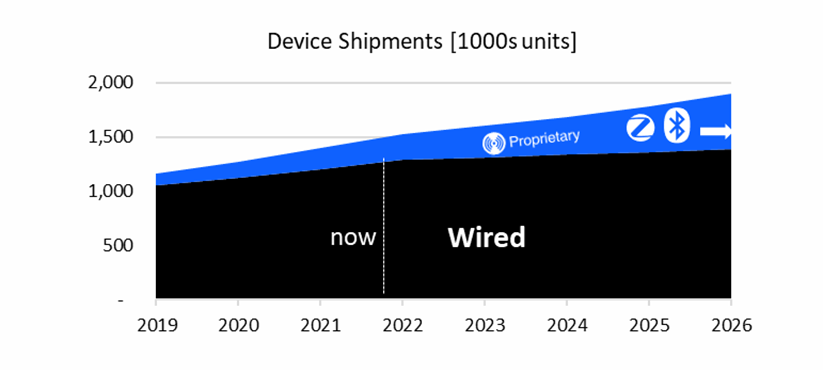
Figure 3: Wireless‑enabled smart buildings are best positioned to adopt new technologies. Source: Silicon Labs
Early adopters are embracing a hybrid wired/wireless model to streamline initial deployments. By embedding Bluetooth or NFC tags on end nodes, technicians can wirelessly discover and provision devices, eliminating the need to identify port‑to‑device mappings manually. With NFC, the installer visually selects a device and swipes a reader over it to capture provisioning data; with Bluetooth, the process can be completed remotely, allowing technicians to commission devices located in ceilings or behind walls from a single location.
Remote provisioning also unlocks point‑to‑point diagnostics. Manufacturers can deliver diagnostic links that let technicians monitor the health of all devices simultaneously, without physical proximity, saving time and reducing costs.
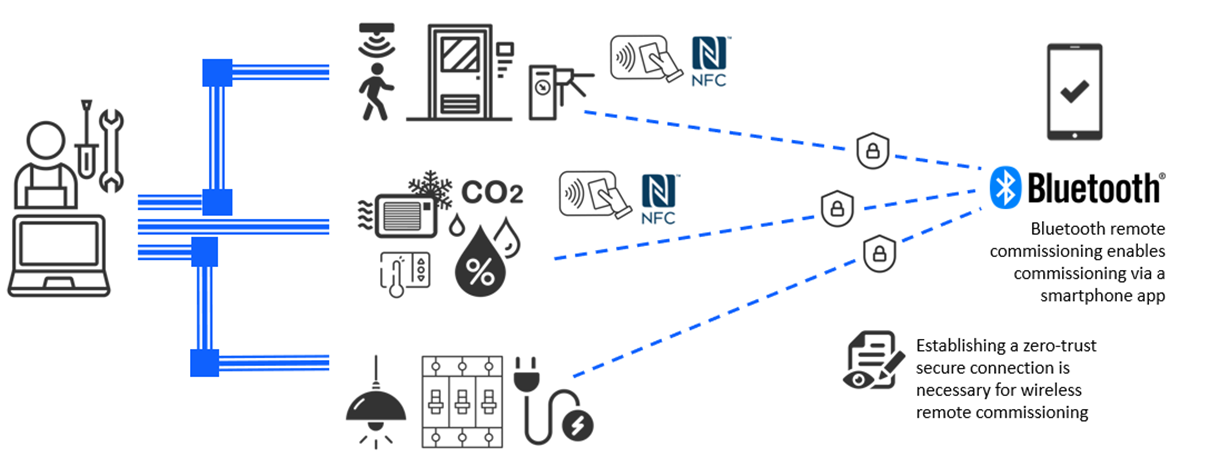
Figure 4: Hybrid wired/wireless architecture cuts installation costs for early adopters. Source: Silicon Labs
As wireless matures in building environments, fully wireless smart buildings are emerging. Leading HVAC and BMS vendors are already adopting these architectures, reaping benefits such as simplified planning, automated zero‑touch commissioning, and high‑quality data logging. Post‑installation, these providers can offer continuous monitoring and control services.
Security in wireless networks
Wireless connectivity raises legitimate security concerns, including man‑in‑the‑middle and side‑channel attacks that have compromised camera networks. However, robust security frameworks—such as root‑of‑trust authentication—make intrusion prohibitively difficult and expensive. Remote provisioning further enhances security by allowing secure configuration without physical access.
Remote debugging and scanning capabilities empower operators to troubleshoot issues across dense networks quickly and safely.
Ultimately, the industry is moving toward eliminating manual, error‑prone commissioning in favor of a simple end‑node scan that scales from thousands to millions of devices.
—Asem Elshimi, Product Marketing Manager at Silicon Labs.
>> This article was originally published on our sister site, EDN.
Internet of Things Technology
- Smart Buildings Unveiled: Essential Insights for Modern Architecture
- Mastering Wireless Communication Range: How Power, Data Rate, and Interference Shape Connectivity
- Why Smart Buildings Struggle: The Missing Standards That Hold Them Back
- Seamless Wireless Commissioning for Smart Homes: From Unboxing to Secure Remote Setup
- Smart Bartender: Build Your Own Raspberry Pi‑Powered Cocktail Station
- Tecpetrol Cuts Maintenance Costs 62% and Boosts Production with Emerson Smart Wireless Technology
- Cisco Unveils Digital Building Switch to Streamline Smart Building Convergence
- Top 4 Benefits of Smart Leak Detection for Building Safety and Cost Savings
- Wireless Smart Contact Lenses Detect and Treat Diabetes
- Smart Buildings: Elevate Health, Well‑Being, and Productivity