



Automated Audio Interface Testing for Embedded SBCs
Audio interfaces are now a staple on industrial Internet of Things (IIoT) single‑board computers (SBCs), spanning analog and digital options. Each interface type brings unique design and testing challenges that must be addressed throughout assembly and production. The goal is to verify the entire signal chain—from the front‑end IC to the digital audio input of the processor.
Figure 1 illustrates a typical production‑test flow for an embedded audio front‑end. The diagram highlights key components such as the receiver IC (analog‑to‑digital converter or digital audio receiver), the serial interface (e.g., I²S), and the PCM data path that feeds the processing unit.
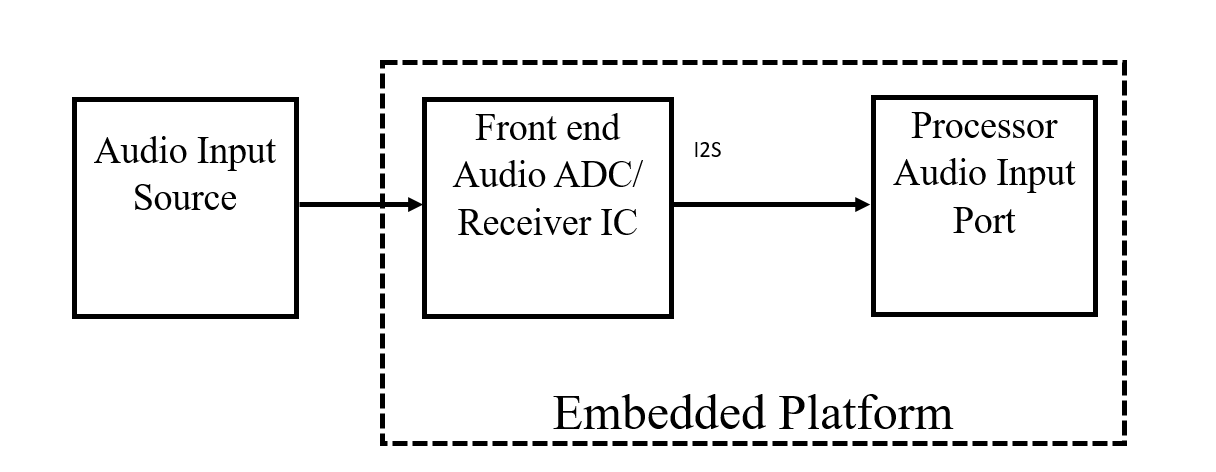
Figure 1: Test Setup & Audio Front‑end for an Embedded Platform (Source: Author)
The data path includes several critical blocks. The receiver IC may be an analog front‑end such as an ADC or a digital audio receiver, and its output can be transmitted in any serial format, most commonly I²S. This interface carries raw PCM audio data.
Production testing must validate the entire audio chain and detect issues such as:
- Front‑end receiver IC failure.
- Assembly defects on I²S lines (e.g., stuck‑at‑high, stuck‑at‑low, or shorted signal pairs).
These tests are integrated into a comprehensive system that verifies all interfaces on an embedded board.
Below we outline a widely adopted technique for detecting assembly‑related problems. Advanced methods for front‑end IC failures are beyond this scope.
Technique 1 – Subjective Testing
Subjective testing captures a few seconds of audio data and relies on human inspection to compare it with the source playback. While straightforward, this approach requires manual listening, is time‑consuming, and scales poorly with multi‑channel configurations.
Technique 2 – Automated Testing
Automated testing leverages fundamental I²S concepts to identify defects quickly and reliably.
I²S operates with three signals: BCLK (bit clock), WCLK (word clock), and DATA. If BCLK or WCLK is stuck, the processor will report a clock failure. Even if the clocks are correct, a stuck‑at‑high or -low DATA line will fill the audio buffer with 0xFFFF or 0x0000 for each 16‑bit sample. By generating an MD5 checksum of a captured buffer, we can distinguish these cases:
- MD5(FFFF) indicates a high‑stuck DATA line.
- MD5(0000) indicates a low‑stuck DATA line.
- Any other checksum implies proper data flow.
The test workflow is as follows:
- Play known audio through the board (ensure it is not muted).
- Capture approximately 100 samples.
- Compute the MD5 checksum of the captured buffer.
- Compare the checksum against the two reference values to detect stuck lines.
For multi‑line I²S buses, we can verify each DATA line independently. For example, with a four‑line bus (DATA0–DATA3), we play audio only on one line at a time while driving the others low. The MD5 checksum for the active line will be random, whereas the inactive lines will match MD5(0000). Table 1 demonstrates this iterative approach.
click for larger image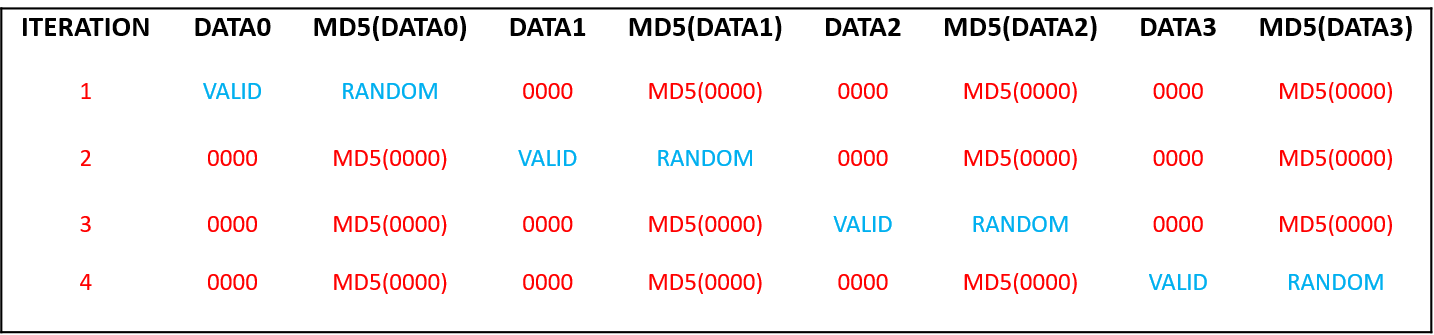
Table 1: Iteration of Audio Testing (Source: Author)
Limitations exist: this method flags the presence of an issue but does not pinpoint which lines are shorted together. Nonetheless, it is highly effective for detecting stuck‑at conditions and simple shorts.
Conclusion
These automated techniques have been validated across numerous Ittiam hardware boards, consistently reducing test time and lowering production costs.
 Ayusman Mohanty is a product architect focused on hardware for video and audio broadcast and surveillance systems. Connect on LinkedIn.
Internet of Things Technology
- Optimizing Braking System Development: IoT Data Management in Bosch’s Winter Testing
- Lenovo Unveils ThinkEdge SE30 & SE50, Rugged Edge PCs Designed for AI and Real‑Time Analytics
- Identifying and Mitigating Privacy Risks in Embedded System Design
- Embedded C Structures: A Practical Guide to Definition, Usage, and Memory Optimization
- Emerging Trends in IoT Platforms for 2018: Edge Computing, Blockchain, and More
- Leading Cloud‑Based IoT Analytics Platforms for 2026
- The Definitive Guide to the Top 10 Industrial IoT Platforms (2024)
- Mastering Data Migration: Proven Best Practices for Seamless Platform Transitions
- Real-Time Data Drives Precision in Temperature-Controlled Supply Chains
- Industrial Data Platforms: Enhancing Efficiency, Visibility, and Continuous Improvement in Manufacturing