



Two‑Way Satellite Connectivity: Enabling Real‑Time, Action‑Driven IoT Worldwide
Two‑way, or bidirectional, satellite communications rely on Earth stations that perform both uplink and downlink functions. This architecture delivers resilient, affordable connectivity to critical assets worldwide.
With the rapid deployment of low Earth orbit (LEO) constellations and the rising demand for satellite IoT, new services such as satellite broadband and direct‑to‑device smartphone links are becoming mainstream.
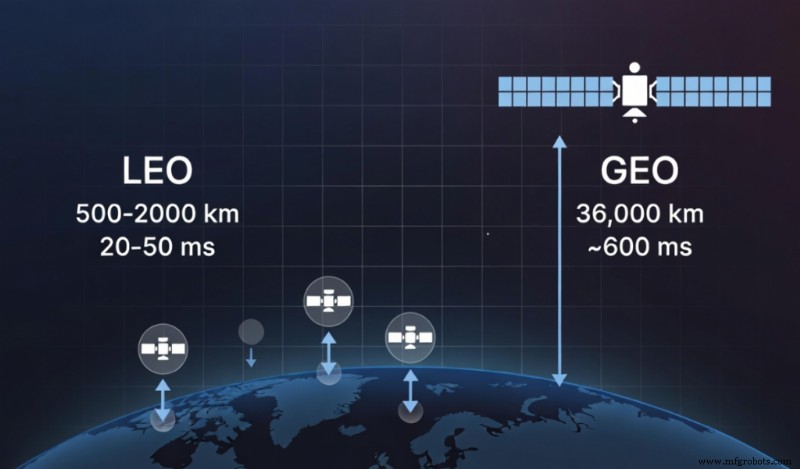
LEO satellites orbit between 500 and 2,000 km, dramatically reducing the distance to Earth compared with geostationary (GEO) satellites. This proximity yields latency of just 20–50 ms and allows lower‑cost constellations to be launched, making two‑way communication more practical and affordable.
Primed for Take‑Off
According to analyst firm Omdia, satellite IoT services are expected to grow at a 23.8% CAGR from 2023 to 2030, with the market “primed for take‑off.” Two‑way communication means devices can not only send status data but also receive instructions, enabling real‑time decision making and automation.

Bidirectional messaging expands use cases beyond simple monitoring. Devices can trigger actions such as real‑time alerts, machinery speed adjustments, or remote diagnostics, reducing the need for on‑site visits and maximizing uptime.
Across agriculture, utilities, fleets, asset monitoring, and emergency response, secure, two‑way connectivity is essential. Traditional cellular and fixed‑line networks already support these models in populated regions, but satellite offers a cost‑effective solution where coverage is sparse or non‑existent.
The Best of Both Worlds
Today’s LEO technology and seamless integration with cellular networks allow operators to enjoy the cost efficiency of terrestrial coverage when available, while automatically switching to satellite in black‑spot areas such as deserts, jungles, rural locales, and the open ocean. This hybrid approach transforms real‑time communication for a broad spectrum of applications.
For deeper insight into how two‑way satellite communication is reshaping device connectivity, read When Networks Fail, Satellite Keeps People & Operations Connected.

Author: George Malim, Managing Editor, IoT Now
Comment on this article via X: @IoTNow_ and visit our homepage IoT Now
Internet of Things Technology
- Industrial Design in the IoT Era: From Product Launches to Continuous Ecosystem Nurturing
- How Digital Transformation is Revolutionizing the Utilities Industry
- Revolutionizing Urban Life: IoT-Driven Smart City Solutions for Growth and Sustainability
- Six Proven Strategies for a Seamless RTLS Implementation
- Why the Cloud Is Not the Only Solution for IoT Success
- Seamless Wireless Commissioning for Smart Homes: From Unboxing to Secure Remote Setup
- Time Synchronization: The Overlooked Pillar of Modern Cybersecurity
- Choosing the Right IoT Platform: A Practical Guide
- Day Two at IoT World: Leveraging DDS to Enhance Smart Window Shades
- IoT Spending 2020: Mixed Outcomes Amid Budget Constraints and Pandemic Shifts