



Mixed Reality: Microsoft's Visionary Leader Shares How It Could Transform Industry at LiveWorx 2018
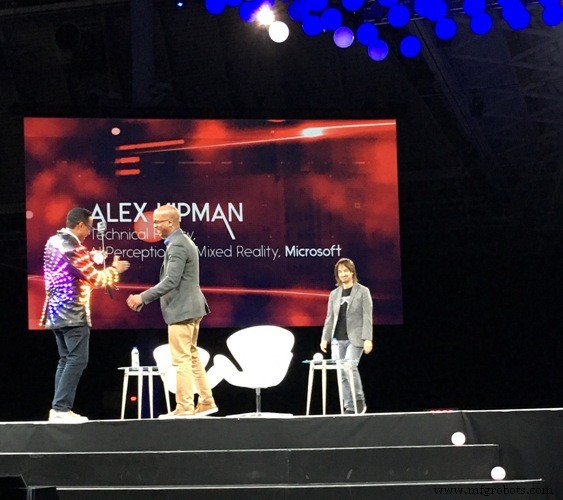
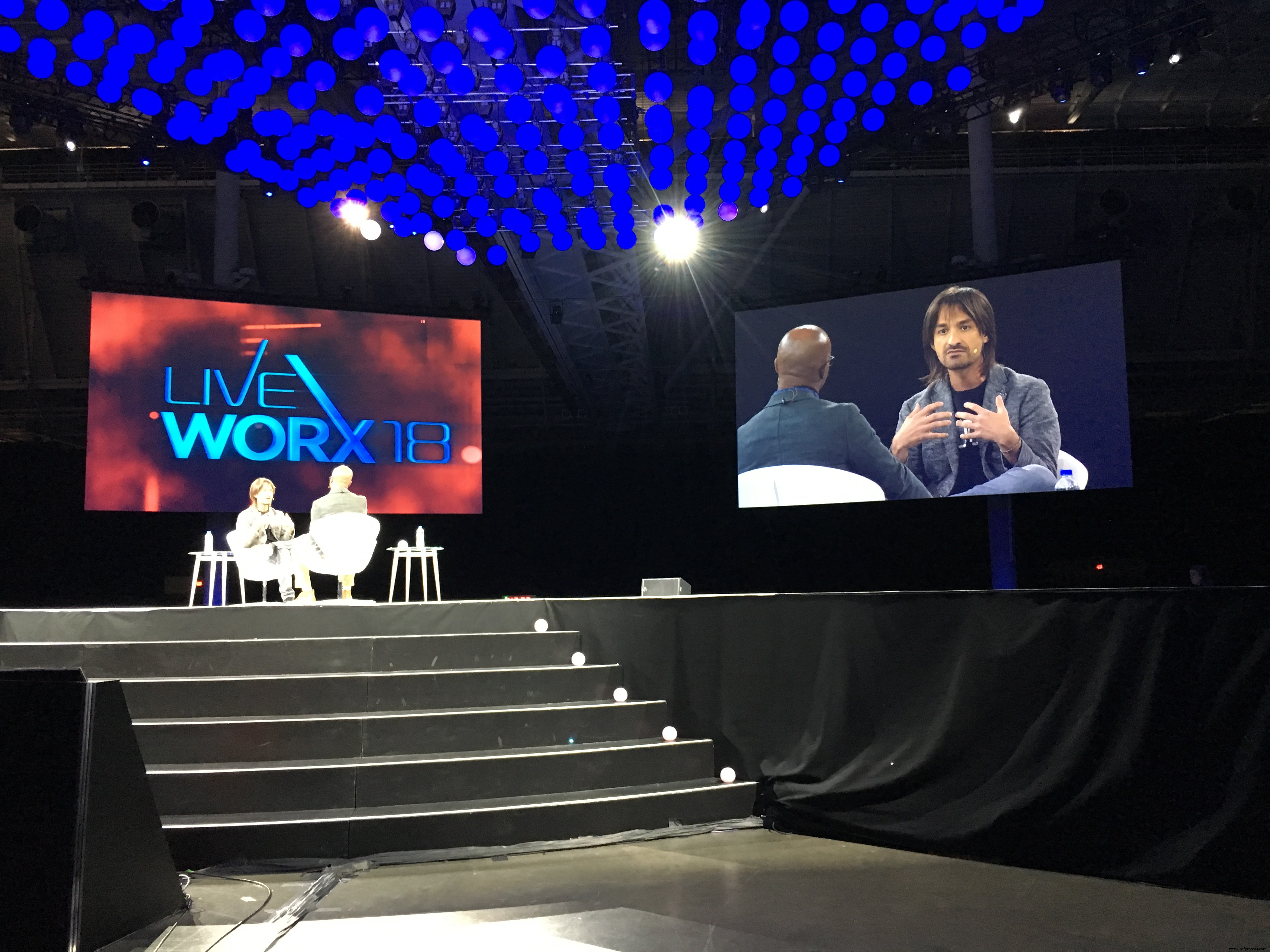
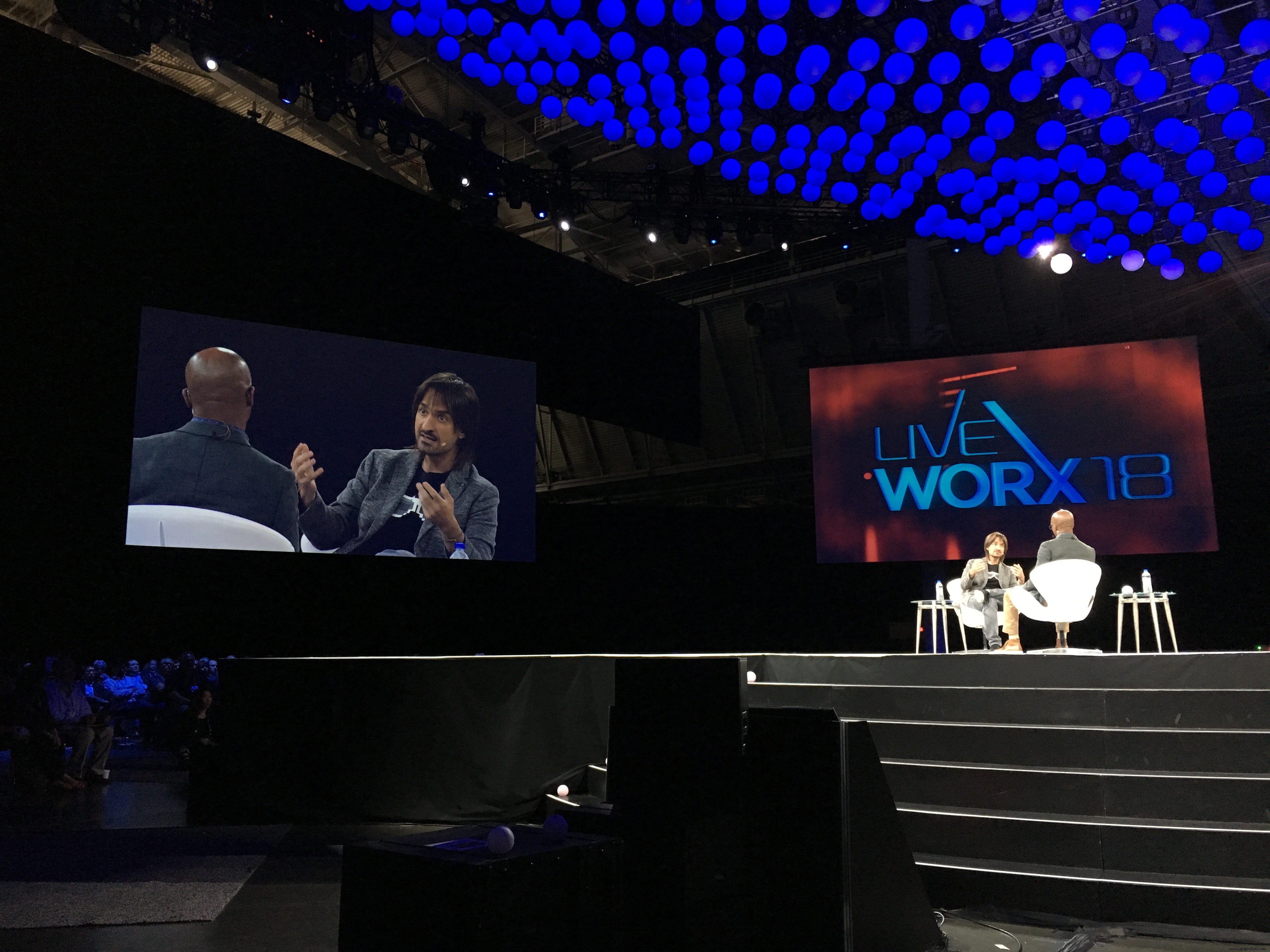
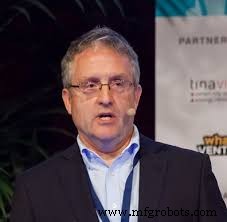
At LiveWorx 2018 in Boston, CNBC’s Jon Fortt brought Microsoft’s Mixed Reality lead Alex Kipman to the stage, engaging an audience of more than 3,000 with a live interview that spotlighted the technology’s potential.
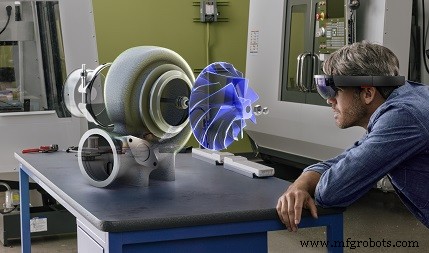
Alex Kipman immediately illustrated real‑world applications, noting that in China doctors have performed over 300 surgeries using MR to overlay MRI data directly onto patients’ bodies, enabling surgeons to visualize structures in three dimensions.
Fortt posed a sharp question— “When will MR become a game‑changer?”—and Kipman answered without hesitation, underscoring the technology’s readiness to transform industries.
The Future Is Already Here
Kipman referenced the adage “the future is already here” and explained that MR has gone from a novelty at last year’s LiveWorx to a ubiquitous presence on the exhibition floor. “MR is the ideal interface for data generated by sensors,” he said. “Sending raw data to PCs can be impractical; visualizing it on a headset offers immediate context.”
He cited car design as an example: “Designers can create a clay model and collaborate in real time from anywhere in the world, sharing a single virtual model with studios in New York, Tokyo, and beyond.”
Fortt asked how devices could improve. Kipman described the journey toward greater immersion, comfort, and affordability: “We’ll need headsets that are physically and vestibularly comfortable for all‑day use, and we must continue to bring costs down.”
When asked about the tipping point for adoption, Kipman emphasized value: “You need to accomplish something that matters. That’s why we positioned HoloLens for enterprise use.” He cited a Japan Airlines technician who uses the headset to pre‑emptively replace parts on Rolls‑Royce engines, preventing flight delays.
I May Be Crazy
Joining Microsoft in 2001, Kipman recalled how early proposals were met with skepticism. “If someone says ‘Good idea,’ you’re not visionary; if they say ‘You’re crazy,’ you might be, but you could also be visionary,” he laughed. He used the “jump‑off” analogy to explain how pushing boundaries often involves risk and reward.
Fortt wanted to know how the devices could be improved. In the only cliché of the evening, Kipman described this as a Journey. “In future,” he went on, “we’ll require devices to be more immersive. All devices, including HoloLens, need to be more comfortable; you don’t want to wear them all day. I mean physical comfort, and vestibular comfort with so much information coming into your brain. Every turn of the crank is about this, and ultimately about making it more affordable.”
“What’s the tipping point for acceptance?” Fortt asked. Kipman thought for a moment. “You have to accomplish something and is it valuable to you? We positioned HoloLens on the enterprise.” He gave an example of a Japan Airlines technician working on Rolls Royce engines. The engineer might want to change a part because the prediction is that it needs fixing ahead of time. Their planes aren’t late so much now.
“You joined Microsoft in 2001 when it was seen as a behemoth, a juggernaut. How did you get support at Microsoft for your plans?”
A Brush With Death
Kipman admitted that the HoloLens program survived numerous leadership changes and almost faced cancellation. “Every single day has felt like a brush with death,” he said, noting that the first version was hidden for six years while we refined the Kinect technology.
He compared tech trends to seasons: “Mainframes are in winter; phones are in summer or fall; the next wave is in spring.” Microsoft’s strategy is to bet on the spring, even if it means missing the mobile surge.
Sucked Into Our Screens?
Fortt referenced Kipman’s earlier claim that we’re being sucked into screens and asked why MR would change that pattern. Kipman answered that MR offers a more natural interface, enabling users to interact with data without losing context of the physical world.
What Not to Do
Fortt queried ethical boundaries. Kipman stressed the importance of responsibility: “With power comes responsibility. We need a new vocabulary—ethics—to guide development.” He warned that failure to embed ethics could lead to legislation that would hamper progress.
We’re at an Intersection
When asked how MR and AI interrelate, Kipman likened them to “peanut butter and jelly.” He explained that sensors and AI at the edge capture low‑latency data, enabling actionable insights that drive the next generation of interfaces.
Near‑Future Horizon
Fortt asked what’s on the horizon for the next one to two years. Kipman said “presence” is key: “MR devices feel lonely because they lack shared experience. By enabling multiple users to see the same virtual content in real time and syncing that state to the cloud, we’ll connect the physical and digital worlds.”
Jeremy Cowan, Editorial Director of IoT Now and VanillaPlus, reports from PTC’s annual tech summit.
Internet of Things Technology
- How IIoT Transforms Packaging Machine OEMs: Boost Efficiency, Reduce Downtime, Unlock New Revenue
- Revolutionizing Warehouse Efficiency: IIoT Pick‑to‑Light Leasing for Scalable, Pay‑as‑You‑Go Operations
- Vodafone’s €18.4bn Acquisition of Liberty Global Assets Strengthens Position, Analysts Say
- From Guitarist to IoT Leader: Tom Canning on Passion, Business Insight, and Robotics Innovation
- IoT Spending 2020: Mixed Outcomes Amid Budget Constraints and Pandemic Shifts
- How Predictive Mobile Analytics Revolutionizes Retail Success
- Augmented Reality: The IoT Solution That Empowers People
- How RPA Drives Business Resilience After COVID-19
- Blue Prism Chair Explains Why RPA Is a Game Changer
- Security Automation: A Game Changer for IT Productivity and Network Resilience