



Telcos Report IoT Underperformance, Yet PTC CEO Confirms Strong Results

Why do some solution vendors seem to “get” the Internet of Things (IoT) while others do not? Network operators report disappointing outcomes, yet vendors claim success. This contrast was highlighted at the 6th IoT Forum CE in Vienna, Austria, where 450 participants from across the ecosystem convened. Three senior executive voices from Hutchison 3 Austria, T‑Mobile Austria, and Tele2 IoT were challenged in a panel debate by Dr. Karim Taga of Arthur D. Little.
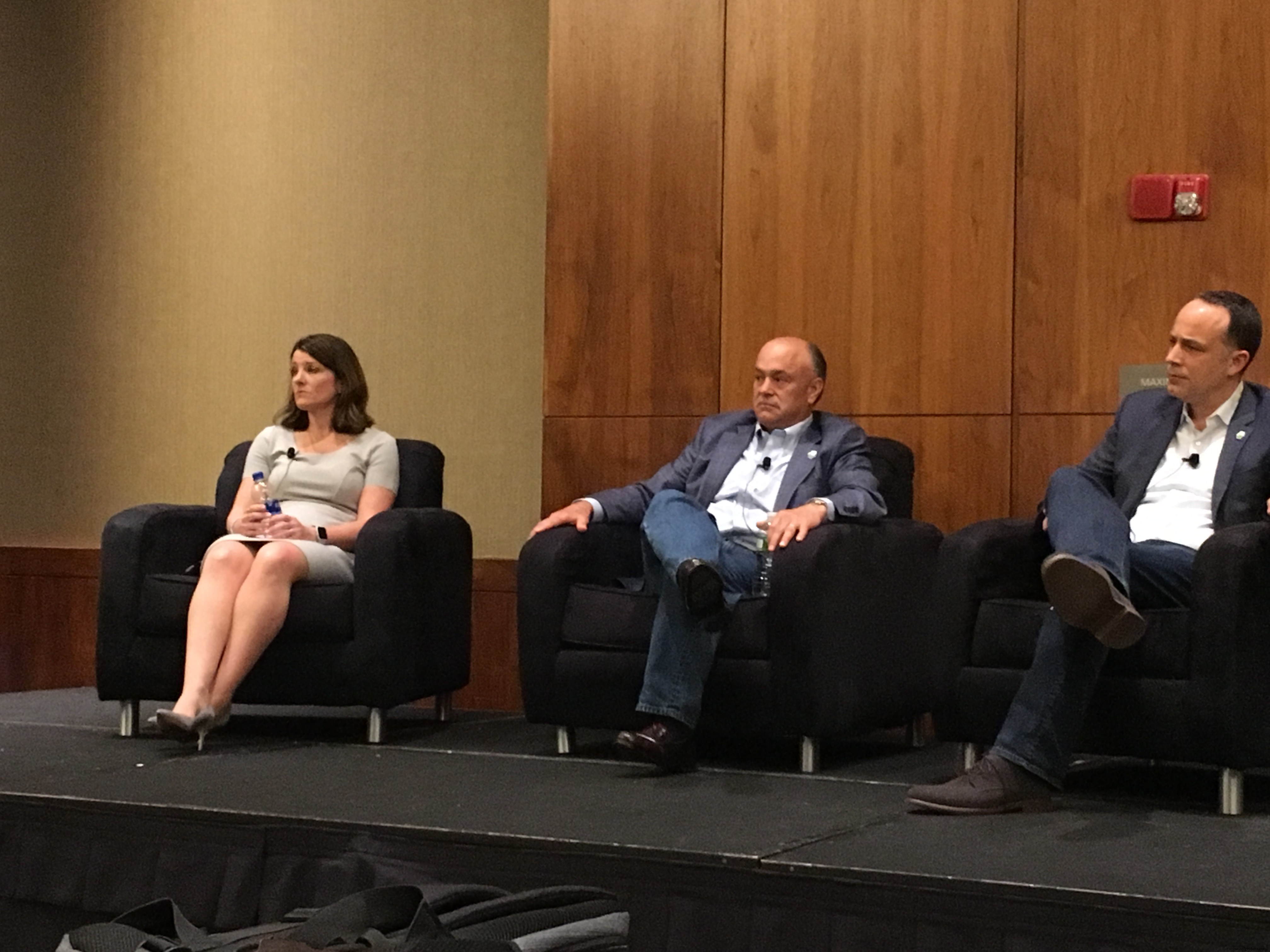
The consensus among the operators was clear: IoT has not yet met market expectations. An enterprise IoT user in the panel argued that solution vendors should better align their offerings with customer needs. This skepticism was echoed in a Boston press conference where our correspondent asked Jim Heppelmann, President & CEO of PTC, whether he agreed that IoT was struggling to deliver on its promises.
Heppelmann answered decisively, noting that PTC’s IoT revenue has grown 40% annually, while the industry average hovers between 30–40%. “We’re not seeing a washout—IoT is working fantastic here at PTC,” he said. He added that this success is driven by a focused strategy and deep customer partnerships. He was recently named CXO of the Year by the IoT Global Awards panel.
Key Challenges and Growth Drivers
Matt Cohen, PTC’s Executive Vice President of Field Operations, echoed Heppelmann’s optimism. He acknowledged challenges in broad toolkits and low adoption in smart‑city initiatives but highlighted that PTC’s customer base selects the company for growth opportunities. “There are hurdles, but we see clear upside when we focus on the right use cases,” Cohen said.
Heppelmann emphasized the importance of iterative pilots: “If a company runs a pilot with three partners and only one adopts, that still leaves two voicing concerns. With a broader base, success probabilities rise.” He stressed that IoT is vital to PTC’s portfolio—currently representing 25% of new sales and projected to overtake PLM next year, followed by CAD the year after.
Augmented Reality as a Growth Lever
Within PTC’s IoT business, augmented reality (AR) now accounts for 20% of revenue and is growing at an annual rate of 100%. Heppelmann outlined plans to elevate AR to a dedicated business unit under the Vuforia brand, reflecting its strategic importance. “We’re aligning all related technologies under Vuforia, with AR becoming a primary focus,” he said.
When asked how to improve conversion rates from pilot projects, Cohen highlighted a “Seed, Grow, Harvest” design approach. “First, ensure the factory gets a project up, running, and live to demonstrate ROI. The factory sector is the fastest adopter—remove downtime and boost productivity to show tangible gains quickly.”
Heppelmann added, “In the subscription model, we advise ‘buy a bit and see how it benefits you, then expand’ rather than making large upfront commitments.” He concluded by noting the synergy between PTC and Rockwell: “Rockwell brings credibility, and PTC brings technology.”
The author, Jeremy Cowan, is Editorial Director of IoT Now and VanillaPlus.
Internet of Things Technology
- Bridging the IoT Talent Gap in Manufacturing
- Securing the Industrial IoT: A Practical Roadmap
- Two Essential Strategies for IoT Security
- How 5G Fuels IoT: Current State, Opportunities, and Key Challenges
- Printing the Future: Flexible Electronics Powering the Internet of Things
- Can Telecom Operators Outpace Cloud Giants in the IoT Revolution?
- IoT Ecosystem Expands, Yet Key Challenges Persist
- Democratizing the Internet of Things: Next‑Gen Satellite IoT Brings Universal, Affordable Connectivity
- Top 6 IoT Trends Shaping 2016 and Beyond
- Bridging the Gap: From Vision to Reality in Industrial IoT