



Elevating Manufacturing Excellence with Industry 4.0: The Rise of Quality 4.0

Yash Mehta – IoT & Big Data specialist, award‑winning writer
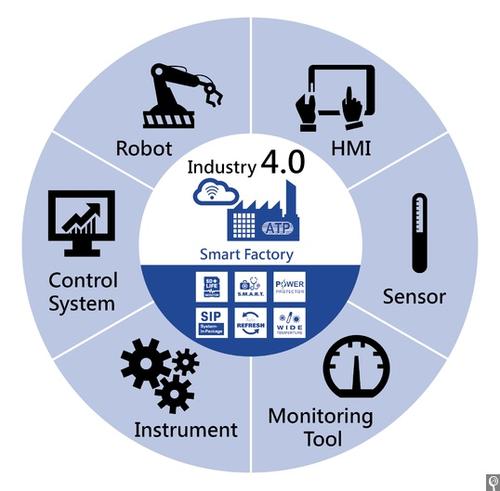
The digital age has shifted manufacturing from analog to data‑driven processes. This transformation, driven by digitisation, has ushered in the Fourth Industrial Revolution, also known as Industry 4.0.
Industry 4.0 delivers optimisation, efficiency, and higher quality through cyber‑physical systems. Core technologies—IoT, AI, cloud computing, and big‑data analytics—are the engines of this shift. According to KPMG, the Industry 4.0 component market could exceed US$4 trillion (€3.44 trillion) by 2020.
Quality control remains a critical focus. In today’s market, consumers are willing to pay a premium for durable, sustainable products. Simultaneously, manufacturers must shorten lead times to stay competitive.
A survey of executives identified time‑to‑market as the top challenge in quality management, followed by product complexity, globalization, and regulatory change. Consequently, quality improvement and monitoring are now prime Industry 4.0 use cases.
What is Quality 4.0?
Quality 4.0 is not a single technology; it represents the integration of Industry 4.0 tools into traditional quality systems to raise standards. It preserves proven quality processes while enhancing them with digital capabilities, thereby attracting startups that offer innovative solutions.
Seebo exemplifies this approach with a SaaS platform that builds a digital twin of the manufacturing process. By applying AI to real‑time data, Seebo predicts quality failures and identifies root causes, enabling proactive interventions.
Such solutions are straightforward to deploy, giving manufacturers a competitive edge and unlocking new revenue opportunities.
Why Quality 4.0 Matters
Adopting Quality 4.0 helps leaders meet compliance, enhance customer experience, refine product design, and reduce operational risk. Yet many organisations lack clarity on its use cases and how to implement them.
LNS Research highlighted a U.S. beer‑brewing case where AI/ML eliminated batch‑quality issues by optimizing recipes in real time, restoring production capacity and improving consistency.
Key Benefits
Profitability
Prioritising quality drives customer satisfaction, brand loyalty, and margin expansion. Efficient quality processes reduce waste and the financial drain of outdated systems.
Regulatory Compliance
Automated analytics and alerts help maintain compliance across products, processes, and services. Transition is smoother for firms already using QMS frameworks.
Quality Management System Adoption
Only 21% of industries currently use QMS for core processes. Quality 4.0 offers a pathway to streamline and integrate operations, enhancing overall efficiency.
Path to Quality 4.0
LNS Research outlines 11 critical components: data, analytics, connectivity, collaboration, management systems, app development, scalability, compliance, culture, leadership, and competency. Companies should assess each area and target gaps for improvement.
Organizations with existing QMS can further elevate standards by adopting 4.0 technologies such as remote monitoring, predictive analytics, and continuous improvement loops.
Bottom Line
Quality management is a core competency. Quality 4.0 modernises traditional practices, reduces costs, and boosts operational efficiency, positioning enterprises as innovation leaders in a competitive landscape.
Author: Yash Mehta – IoT and Big Data Science specialist, award‑winning writer featured in multiple publications.
Internet of Things Technology
- The Fourth Industrial Revolution: How Industry 4.0 Is Reshaping Manufacturing
- Make Spring Cleaning Effortless with Industry Standards
- The Deming Cycle: A Proven Blueprint for Continuous Quality Improvement
- Smart Manufacturing and IoT: Driving the Next Industrial Revolution
- Industrial Retrofit Revolution: How Smart Upgrades Drive Efficiency & Profitability
- Why Now Is the Best Time to Be an American Manufacturer
- From Steam to Smart Factories: The Evolution of Industrial Manufacturing 1.0 to 4.0
- Understanding the Fourth Industrial Revolution: Transforming Modern Manufacturing
- Nine Essential Standards for Evaluating Laser Cutting Quality
- The Fourth Industrial Revolution: Transforming Industry with Smart Automation