



Harnessing In Silico Design for Next‑Generation Biotherapeutics
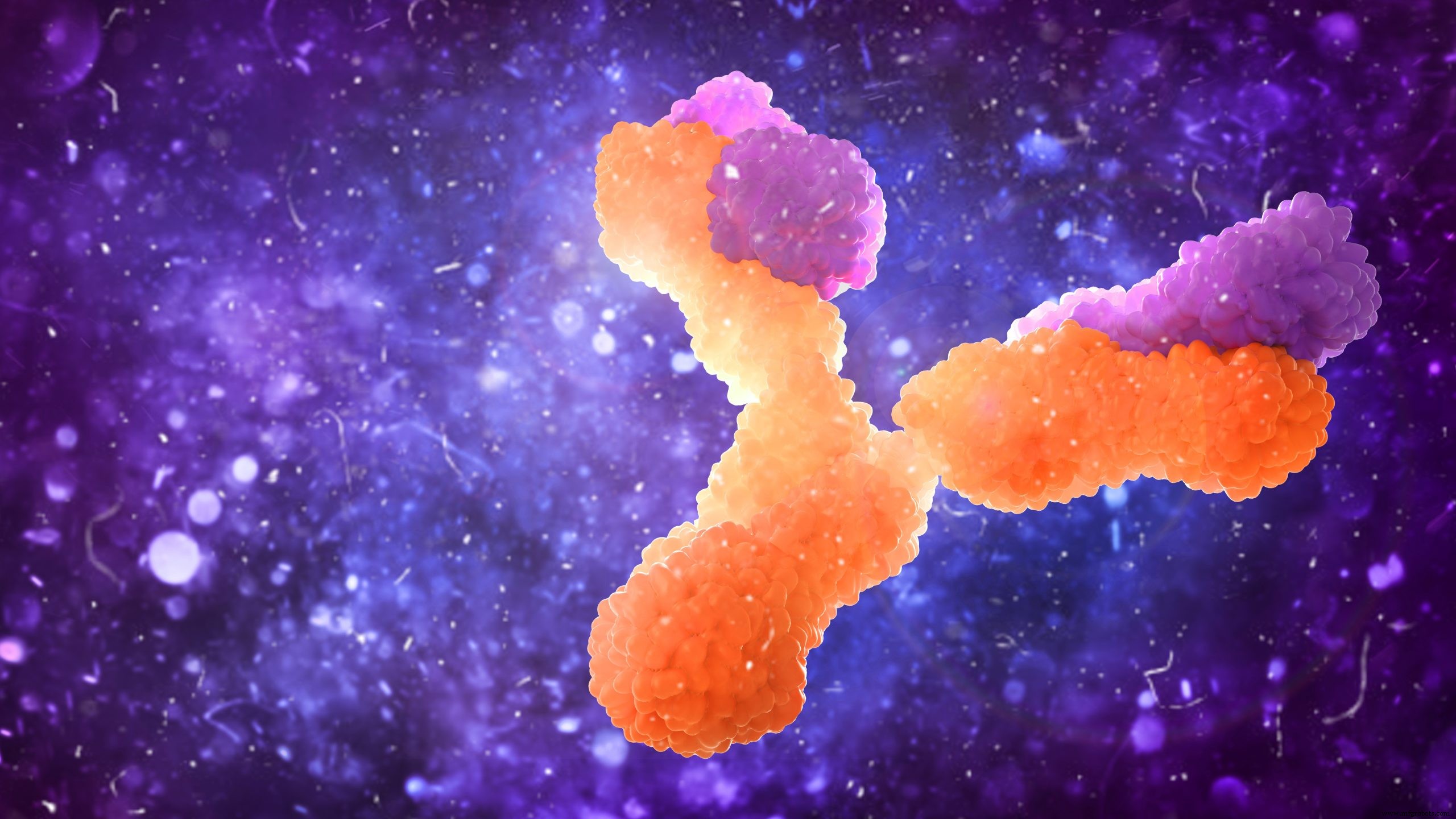
Biotherapeutics have surged to the forefront of pharmaceutical R&D over the last twenty years, delivering transformative outcomes for diseases once deemed untreatable. Their power lies in precision—antibodies and antibody‑like molecules target specific cells with surgical accuracy. By leveraging the modular nature of proteins, researchers can engineer multi‑epitope binders that broaden therapeutic reach across diverse patient populations.
With modalities such as CAR‑T therapies and CRISPR‑Cas9 gene editing expanding the horizon of what can be achieved, the R&D landscape is becoming increasingly complex. Unlocking this potential demands modern in silico approaches that streamline discovery, reduce experimental burden, and accelerate clinical translation.
Novel Antibody Biotherapeutics
Antibody drugs exemplify the diversification of today’s therapeutic pipelines. Building on the human IgG scaffold, developers now explore bispecifics, trispecifics, DARPins, diabodies, triabodies, and even camelid or shark‑derived Ig variants. Each format offers distinct therapeutic advantages, yet the path from design to clinic remains fraught with challenges: achieving target specificity at therapeutic concentrations, avoiding immunogenicity, and maintaining favorable physicochemical properties such as solubility and viscosity.
In silico tools are increasingly essential for early‑stage optimization. Computational ΔΔG calculations predict how point mutations affect binding affinity, while spatial charge mapping highlights aggregation hotspots. These insights focus costly wet‑lab efforts on the most promising candidates, improving the likelihood of clinical success.
CAR‑T Therapies: Whole‑Cell Biotherapeutics
CAR‑T cells represent a paradigm shift in cancer treatment, harnessing the body’s own immune system to deliver precision attacks on malignant cells. Central to this approach is the single‑chain variable fragment (scFv) that directs the engineered T cell to its antigen—such as CD19 in B‑cell malignancies. FDA approval has already validated this strategy for certain lymphomas and related blood cancers, but expanding the therapeutic repertoire to other diseases remains challenging.
In silico docking and molecular dynamics simulations enable researchers to dissect scFv‑antigen interactions at atomic detail, guiding the design of highly specific binders that minimize off‑target effects. Coupled with emerging structural data on new antigens, these computational strategies can unlock CAR‑T applications for infections, autoimmunity, and beyond.
Advancing Biotherapeutics Design
The Life Science Modeling & Simulation track at the 2020 BIOVIA Conference showcased how Discovery Studio accelerates the creation of novel antibody modalities, CAR‑T therapies, CRISPR‑Cas9 editing, and more. Highlights from Dr. Anne Goupil‑Lamy’s presentation illustrate real‑world examples where in silico methods translated into tangible therapeutic advances.
Talks are available to stream on‑demand through October 16
Register now and watch 120 presentations by 45 customers from industry and academia!
Biologics
- Incense Sticks: From Ancient Traditions to Modern Aromatherapy
- Accelerating Drug Discovery with AI‑Powered Generative Therapeutics Design
- Master Verilog: Complete Tutorial for Digital Circuit Design
- Generative Design Explained: How AI Optimizes Engineering Solutions
- Optimizing Roll Pass Design for Precise Steel Profiling
- OSG Unveils Next‑Gen Aluminum Milling Tools That Double Tool Life and Productivity
- Ransomware Threats Targeting Design Engineers: Protect Your Projects
- Top PCB Design Pitfalls Explained: A Comprehensive Analysis
- Optimizing High-Speed PCB Design: Tackling Signal Integrity Challenges
- Jigs vs Fixtures: Key Differences and Design Insights for Manufacturing Excellence